
 EN
EN

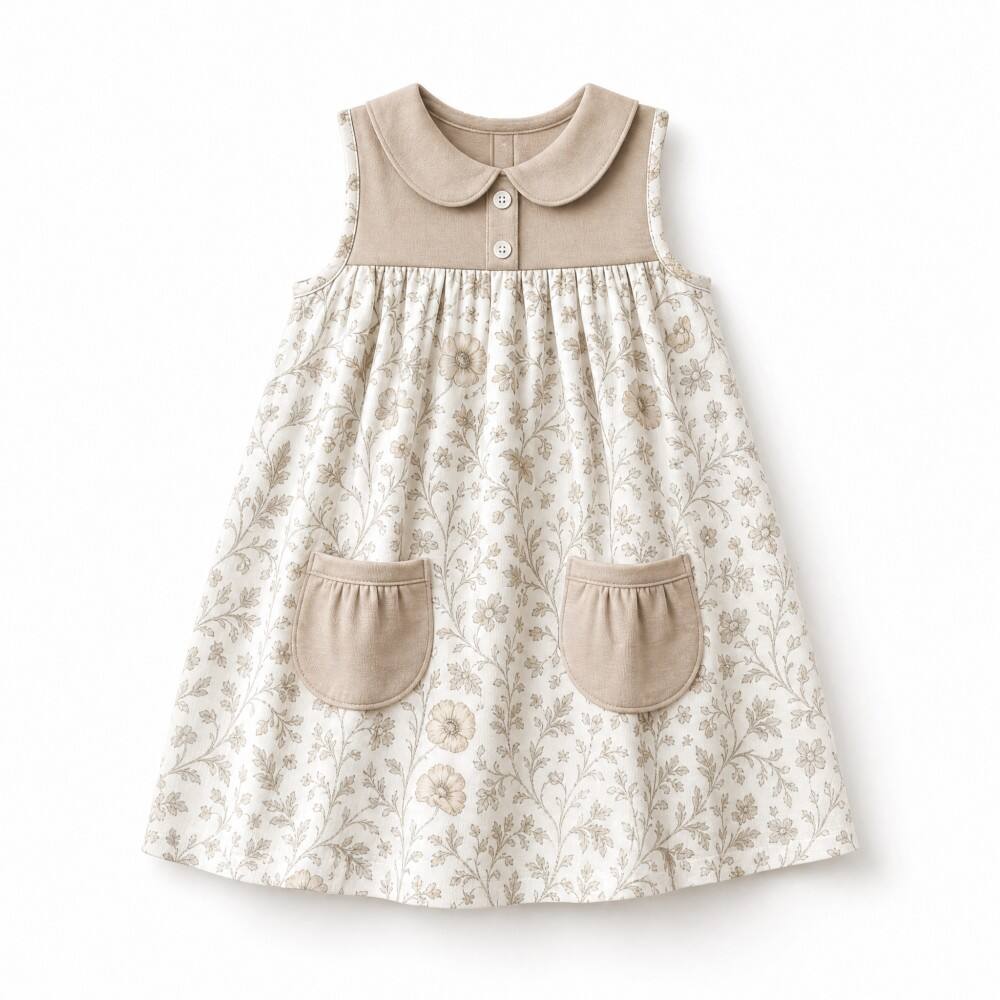
In the competitive world of retail and wholesale, buyers who source childrens clothing are no longer satisfied with off-the-shelf, generic options. The demand for custom fabrics and unique color palettes has grown sharply as brands seek to stand out, protect young wearers, and build lasting customer loyalty. Understanding why customization matters so deeply in the childrens clothing space is essential for any buyer or brand manager operating in this market today.
Custom fabrics and colors give childrens clothing buyers a clear advantage over competitors who rely on standard catalog options. From boutique shops to growing e-commerce brands, those who invest in tailored materials and distinctive palettes consistently find stronger sell-through rates, better customer reviews, and more repeat business. This article explores the key reasons why childrens clothing buyers place such high value on fabric and color customization across every product category.
Fabric Quality and Child Safety Drive Buyer Decisions
Why Fabric Choice Is Non-Negotiable in Childrens Clothing
When sourcing childrens clothing, fabric quality is one of the first factors professional buyers evaluate. Children have sensitive skin, and the wrong material can cause irritation, rashes, or allergic reactions. Buyers who specify custom fabrics for childrens clothing can ensure that materials meet strict softness, breathability, and hypoallergenic standards that mass-produced options often overlook. Custom fabric selection allows buyers to require certifications, specific fiber blends, and finishing treatments that align with the safety expectations of modern parents.
Childrens clothing made from custom-specified fabrics also tends to hold up better through repeated washing, which is a practical concern that directly impacts customer satisfaction. When a buyer has full control over the weave, weight, and composition of the fabric in their childrens clothing line, they can make decisions that balance durability with comfort. This level of control is simply not possible when working with pre-selected standard fabrics from a general catalog.
Certifications and Compliance in Custom Fabric Sourcing
Buyers of childrens clothing must navigate a complex landscape of safety certifications and regulatory requirements. Custom fabric sourcing allows these buyers to work directly with mills and suppliers to ensure compliance with standards such as OEKO-TEX or CPSC guidelines. When childrens clothing carries verified, custom-sourced fabric credentials, it significantly reduces liability risk for the buyer and increases trust with end consumers. This compliance-first approach is a major reason why experienced childrens clothing buyers consistently request custom fabric specifications rather than accepting what is already available.
Color Customization Creates Brand Identity and Market Fit
How Unique Colors Set Childrens Clothing Brands Apart
Color is one of the most powerful tools in retail merchandising, and in childrens clothing, it plays an especially important role. Parents and gift-buyers are drawn to visually distinctive, coordinated collections that feel intentional and brand-specific. Childrens clothing buyers who invest in custom color palettes can build seasonal collections with a cohesive look that generic suppliers cannot replicate. A signature color story within a childrens clothing line becomes a visual identity marker that customers recognize and return to repeatedly.
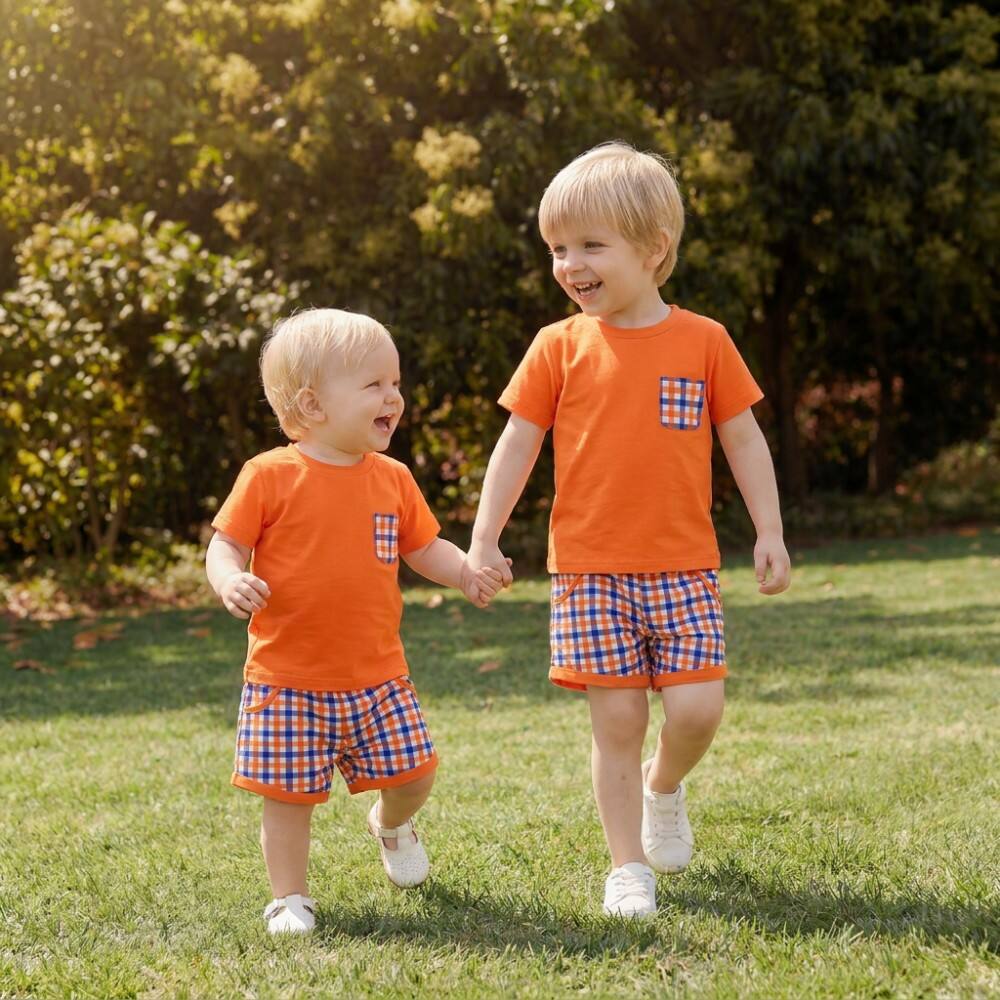
Custom colors in childrens clothing also allow buyers to respond precisely to emerging trends. Rather than waiting for a manufacturer to introduce a new standard color, childrens clothing buyers with custom agreements can request specific Pantone shades, regional color preferences, or trend-forward combinations that match their target market. This agility gives childrens clothing brands a meaningful competitive edge in fast-moving retail seasons.
Seasonal and Regional Color Preferences in Childrens Clothing
Different markets have different expectations when it comes to color in childrens clothing. What sells in a warm-weather coastal market differs significantly from what moves in a northern European boutique. Buyers who customize colors for their childrens clothing lines can align product offerings with the specific aesthetic preferences of their customer base. Custom dyeing and printing options mean that childrens clothing can be tailored for spring pastels, holiday-specific palettes, or culturally preferred tones without compromise. This regional precision reduces unsold inventory and improves overall margin performance for childrens clothing buyers.
Differentiation and Wholesale Positioning Through Customization
How Custom Options Strengthen Wholesale Negotiations
For childrens clothing buyers operating in wholesale or private label markets, customization is not just a preference — it is a strategic tool. When a buyer specifies unique fabrics and colors for their childrens clothing orders, they effectively create a product that cannot be directly replicated by competitors sourcing from the same manufacturer. This exclusivity protects the buyer's market position and justifies premium pricing at the retail level. Many successful childrens clothing brands have built their entire identity around proprietary fabric-color combinations that give their collections a recognizable and defensible market position.
Wholesale buyers of childrens clothing who place custom orders also tend to build stronger long-term supplier relationships. Manufacturers value buyers who commit to defined fabric and color specifications because it simplifies production planning and reduces waste. This mutual benefit often translates into better pricing, priority production scheduling, and more collaborative product development for the childrens clothing buyer over time.
Storytelling and Marketing Value of Custom Childrens Clothing
Custom fabrics and colors give childrens clothing brands rich content for marketing and storytelling. When a brand can explain that its childrens clothing uses a specially selected organic cotton or a custom-blended soft-touch jersey, that detail becomes a compelling talking point for parents who care about quality and sustainability. Color exclusivity in childrens clothing also fuels social media appeal, as visually distinctive pieces photograph well and drive organic sharing. Buyers who understand this connection between customization and marketing ROI consistently prioritize custom specifications when developing their childrens clothing lines.
FAQ
Why do childrens clothing buyers prefer custom fabrics over standard options?
Custom fabrics allow childrens clothing buyers to control softness, safety certifications, durability, and fiber composition. Standard fabrics often cannot meet the specific requirements that modern parents and retailers expect from childrens clothing, making customization a practical and commercial necessity.
How do custom colors benefit a childrens clothing brand commercially?
Custom colors help childrens clothing brands build a distinct visual identity, respond to seasonal trends, and reduce competitive overlap. A brand with exclusive color palettes in its childrens clothing line is harder to imitate and easier to market, which supports stronger customer loyalty and premium pricing.
Is custom fabric and color sourcing practical for small childrens clothing buyers?
Yes, many manufacturers now offer minimum order quantities that make custom fabric and color specifications accessible to smaller childrens clothing buyers. As the market for differentiated childrens clothing grows, suppliers have adapted to serve boutique brands and emerging labels with flexible customization programs that were previously available only to large-volume buyers.