
 EN
EN

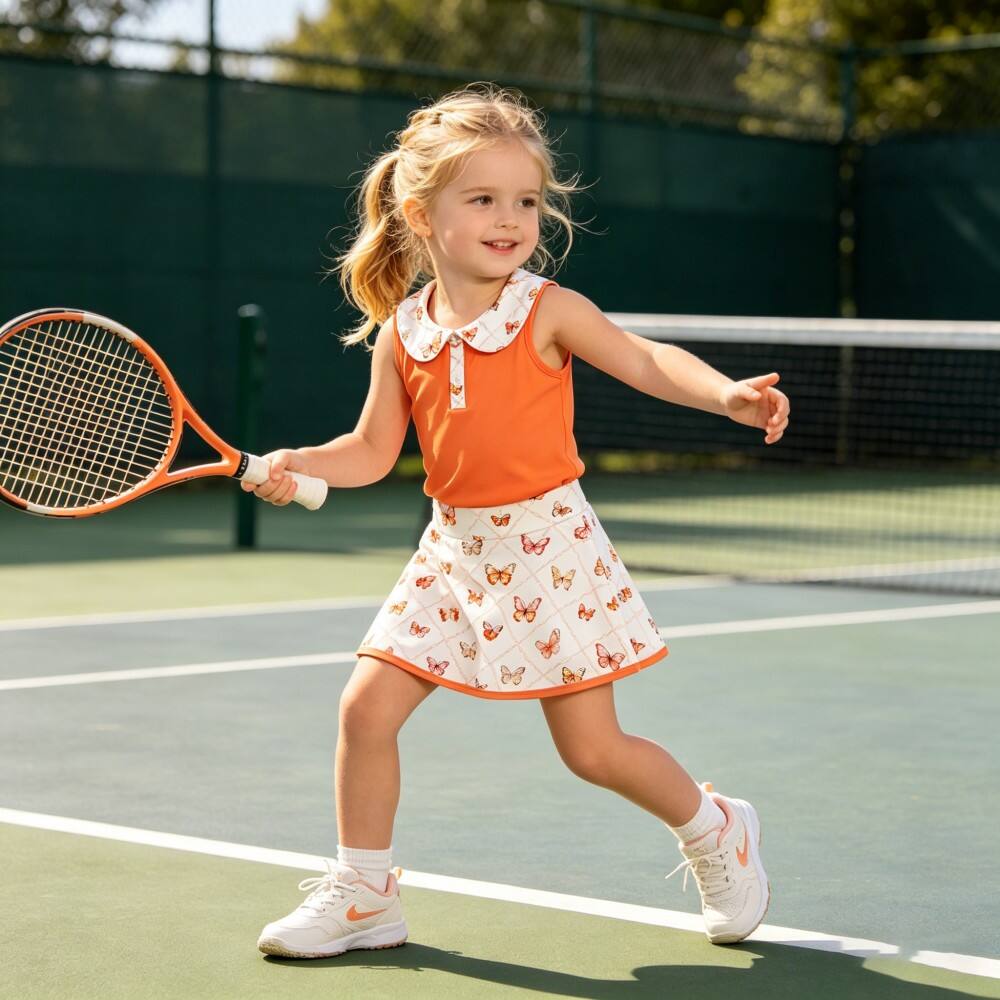
When kids are running, jumping, and playing throughout the day, the clothing they wear matters more than most parents realize. children's activewear that is designed thoughtfully can reduce the risk of trips, falls, and skin irritation, while also supporting the full range of motion young bodies naturally demand. Understanding what separates genuinely safe children's activewear from ordinary kids' clothing helps parents make better choices every single day.
Children's activewear is no longer just about looking sporty. Today, well-engineered children's activewear combines performance fabrics, thoughtful construction, and child-safe design principles to create garments that move with kids rather than against them. Whether worn during school recess, weekend sports, or everyday outdoor play, quality children's activewear plays a direct role in keeping kids comfortable, agile, and protected.
Fabric Choice in Children's Activewear
Why Fabric Defines Safety and Comfort
The foundation of any good children's activewear piece is the fabric from which it is made. Fabrics used in children's activewear must balance stretch, breathability, and durability. When children's activewear uses high-quality stretch fabrics, kids can crouch, climb, kick, and roll without feeling restricted or at risk of a seam tearing suddenly. Breathable children's activewear also reduces overheating, which is especially important during high-energy outdoor activities where body temperature rises quickly.
Moisture-wicking properties are another essential feature of smart children's activewear. Children's activewear that pulls sweat away from the skin keeps kids dry and prevents chafing, which can become a real safety concern during extended physical activity. Soft, non-abrasive fabric surfaces in children's activewear also protect delicate skin from irritation when kids inevitably fall or slide across rough surfaces.
Stretch and Recovery in Movement-Ready Designs
Children's activewear designed for daily movement must offer excellent stretch and shape recovery. Fabrics that stretch in multiple directions allow children's activewear to conform naturally to a child's posture during play. Recovery refers to how well children's activewear returns to its original shape after being stretched, which matters because garments that sag or bunch create potential hazards by catching on playground equipment or causing trips. Reliable children's activewear maintains its structure throughout the day, ensuring consistent coverage and protection.
Fit and Construction Standards
How Proper Fit Reduces Physical Hazards
The fit of children's activewear is one of the most important safety variables parents should evaluate. Children's activewear that is too loose can snag on surfaces, get caught in moving parts of playground equipment, or trip a running child. On the other hand, children's activewear that fits too tightly restricts blood flow, limits natural movement, and can cause discomfort that distracts children from being aware of their physical environment. Well-fitted children's activewear stays in place during dynamic movement without creating excess fabric that poses entanglement risks.
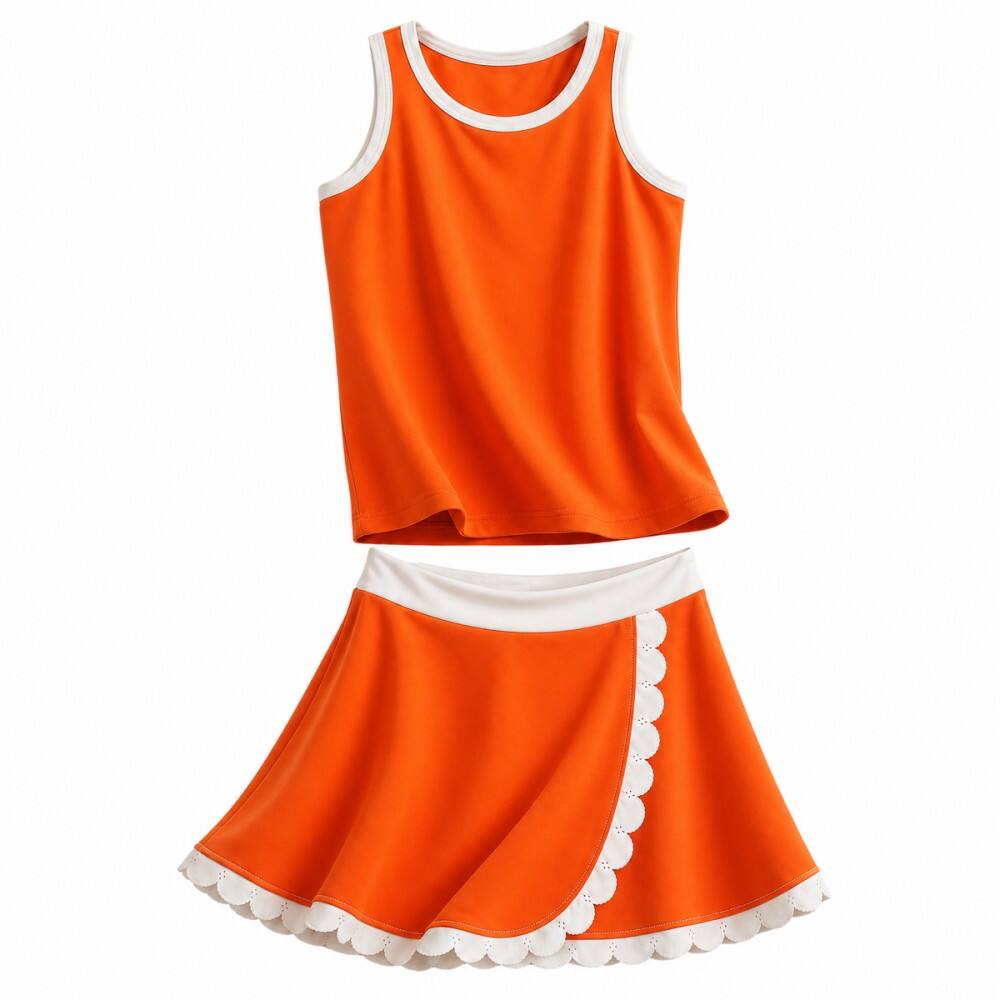
Waistbands in quality children's activewear are designed to sit securely without digging into soft skin. Many types of children's activewear now use flat, wide waistbands that distribute pressure evenly, which keeps the garment stable while the child runs or stretches. Built-in shorts or skort layers within children's activewear designs also add a practical layer of modesty and protection without adding bulk that might interfere with movement.
Seam Placement and Finishing Techniques
The internal construction of children's activewear significantly affects how safe and comfortable it feels during prolonged wear. Flat-lock seams are a standard in well-made children's activewear because they lie flush against the skin and reduce friction. Traditional raised seams found in cheaper children's activewear can rub repeatedly against the skin during physical activity, creating sore spots or rashes. Children's activewear with smooth interior finishes gives kids the freedom to focus entirely on play without physical distractions caused by poor garment construction.
Design Features That Support Active Play
Smart Details That Protect Children During Movement
Beyond fabric and fit, thoughtful design details are what elevate truly safe children's activewear above basic sports clothing. Secure closures, non-slip waistbands, and minimal decorative hardware all contribute to making children's activewear safer during vigorous movement. Large buttons, loose drawstrings, or heavy embellishments on children's activewear can pose choking hazards or catch on surfaces, so well-designed children's activewear eliminates these risks by using streamlined, functional details that serve the child's mobility without compromise.
Coverage is another design factor that matters in children's activewear. Girls' activewear sets that combine a top with a skort or shorts, for example, offer reliable coverage during cartwheels, jumps, and other dynamic moves. This type of children's activewear ensures that active play does not become a moment of embarrassment or physical discomfort. Thoughtful children's activewear designs anticipate the full range of positions children naturally move through and protect accordingly.
UV Protection and Outdoor Safety
For children who spend significant time outdoors, children's activewear with built-in UV protection adds a meaningful layer of safety. UPF-rated children's activewear blocks harmful ultraviolet rays from reaching the skin during extended play, reducing the risk of sunburn without requiring constant reapplication of sunscreen on covered areas. Sleeveless children's activewear designed with UPF fabrics is particularly useful for warm-weather sports and outdoor recreation where direct sun exposure is unavoidable.
FAQ
What fabrics are best for children's activewear used in daily play?
The best fabrics for children's activewear used in daily play are those that combine four-way stretch, moisture-wicking ability, and soft surface textures. Polyester-spandex blends are commonly used in high-quality children's activewear because they offer excellent stretch recovery, durability, and breathability. These properties allow children's activewear to remain comfortable and functional across a full day of movement.
How should parents choose the right size in children's activewear?
Parents choosing children's activewear should prioritize a fit that allows full freedom of movement without excess fabric. Measuring the child's waist, hips, and inseam and comparing them to the brand's sizing guide is the most reliable method. Children's activewear that fits correctly sits snugly but not tightly, stays in place during active play, and does not restrict bending, stretching, or running in any direction.
Is sleeveless children's activewear suitable for outdoor sports?
Sleeveless children's activewear is well-suited for outdoor sports when made from UPF-rated fabrics that offer sun protection. The sleeveless design allows maximum arm mobility and reduces heat buildup, making children's activewear more comfortable during warm-weather activities. For extended outdoor sessions, pairing sleeveless children's activewear with appropriate sun care habits ensures both performance and protection are maintained throughout the activity.