
 EN
EN

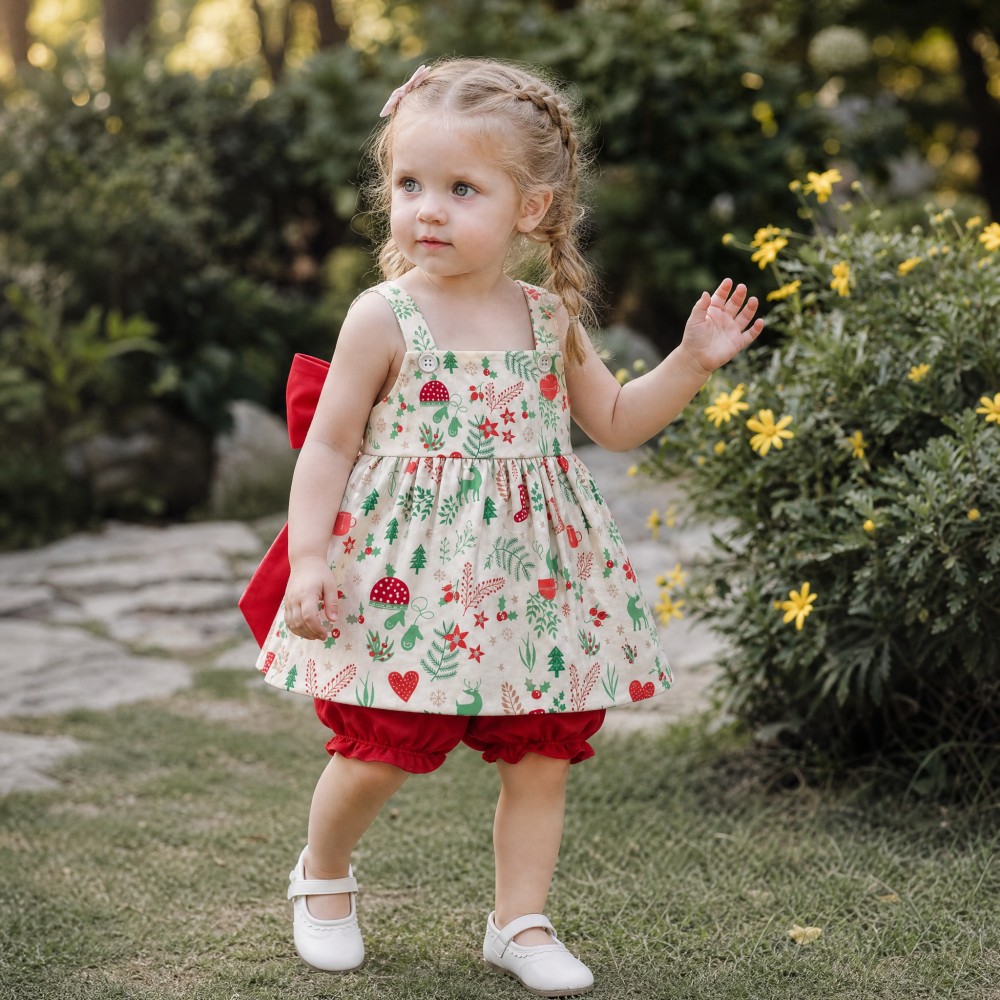
Online retailers selling baby clothes face a persistent challenge: sizing inconsistency and customer returns. Parents shopping for baby clothes online cannot physically examine garments or have them fitted to their child, making purchasing decisions risky and uncertain. This fundamental friction point explains why flexible sizing baby clothes have become increasingly vital for online stores. Flexible sizing baby clothes address a core pain point in digital retail by accommodating the natural variation in infant growth rates, body proportions, and parental measurement accuracy. When baby clothes feature adjustable elements like expandable waistbands, convertible lengths, or snap-based closures, they significantly reduce the likelihood of sizing mismatches and the costly returns that follow.
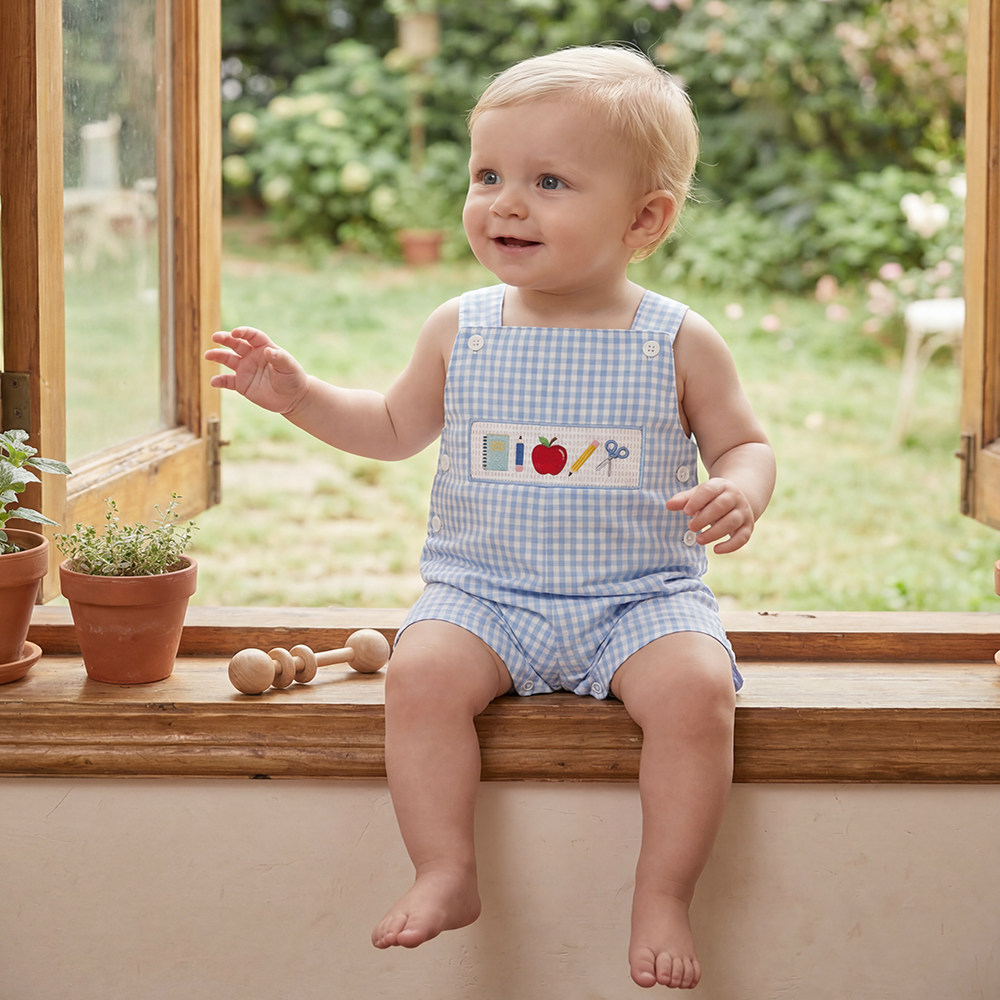
The economics of online retail demand that baby clothes work harder for both customers and merchants. Every returned pair of baby clothes costs money to process, ship back, and restage for resale. Conversely, baby clothes that fit a wider range of sizes or adapt to a child's growth extend their useful lifespan and increase perceived value. For online stores competing in a crowded marketplace, offering flexible sizing baby clothes becomes a competitive differentiator that builds customer loyalty and reduces operational waste.
The Growth Variability Problem in Infant Sizing
Why Standard Sizing Fails for Baby Clothes
Infants and toddlers grow at unpredictable rates, and body proportions vary significantly among children of the same age. Standard sizing charts for baby clothes often assume linear growth patterns that do not reflect real-world development. Two six-month-old infants may have entirely different proportions: one may be taller but slimmer, while another is shorter but rounder. When baby clothes rely on rigid sizing tiers without flexibility, online stores inevitably stock garments that do not fit a meaningful percentage of their target customers. This mismatch drives both customer frustration and operational inefficiency.
The Cost of Returns and Customer Disappointment
Return rates for baby clothes in online retail are notoriously high, often exceeding rates for other apparel categories. Parents order baby clothes in multiple sizes hoping one will fit, then return the ones that do not. This returns cycle damages profitability and creates a poor customer experience. Flexible sizing baby clothes reduce this friction by ensuring that one garment serves a child across several months or multiple size tiers. When baby clothes accommodate growth and variation naturally, customer satisfaction improves and return rates decline, directly improving the bottom line for online stores.
How Flexible Sizing Baby Clothes Solve Core Retail Challenges
Extended Product Lifespan and Perceived Value
Baby clothes that incorporate flexible sizing features extend their useful life significantly. A dress with adjustable straps or an expandable waistband can serve a child from age one to age three, rather than fitting only for a few months. This extended lifespan increases the perceived value of each piece and justifies a higher purchase price in the minds of parents. Online stores that promote baby clothes with flexible sizing communicate durability and thoughtful design, building trust and encouraging larger basket sizes. Parents recognize that such baby clothes represent better value, leading to higher average order values and improved customer lifetime value metrics.
Inventory Efficiency and SKU Optimization
Traditional baby clothes require online stores to maintain separate SKUs for each size, color, and style combination. Flexible sizing baby clothes reduce the number of SKUs needed to serve the same customer base. A baby clothes line featuring adjustable elements might consolidate what would normally be three size tiers into one or two SKUs with adjustable components. This SKU consolidation reduces warehouse complexity, improves inventory turnover, and lowers carrying costs. For online retailers operating with tight margins, this efficiency gain translates directly to improved profitability and faster shipping, since there are fewer variants to pick, pack, and track.
Building Customer Loyalty Through Adaptive Design
When online stores prioritize flexible sizing baby clothes, they signal to parents that they understand infant development and changing needs. This customer-centric design philosophy builds loyalty and encourages repeat purchases. Parents who experience the convenience of baby clothes that grow with their child become brand advocates. They return for additional items, recommend the store to other parents, and leave positive reviews highlighting the thoughtfulness of the flexible sizing approach. Over time, this reputation attracts a larger customer base and justifies premium positioning, allowing online stores to differentiate on quality and design rather than competing purely on price.
Strategic Implementation of Flexible Sizing Baby Clothes
Design Features That Enable Flexibility
Effective flexible sizing baby clothes incorporate specific design elements that accommodate variation without compromising aesthetics. Adjustable waistbands, convertible hems, snap systems, and expandable straps are common strategies. Some baby clothes use layered fabric construction or drawstring elements that allow parents to customize fit. Others employ sizing ranges where a single garment is designed to fit children across a wider age or weight range than traditional sizes. The key is ensuring that these adjustable features feel intentional and attractive, not like a compromise. Online stores should highlight how flexible sizing baby clothes serve multiple seasons or children, emphasizing convenience and value in product descriptions and marketing materials.
Communicating Flexibility to Online Customers
Online stores must clearly communicate how their flexible sizing baby clothes work to reduce customer hesitation. Detailed size guides, growth charts, and styling photos showing the same baby clothes on children at different stages build confidence. Video demonstrations of adjustable features help parents visualize how baby clothes adapt over time. Customer testimonials from parents who have used the same piece across multiple months provide social proof. Clear labeling of baby clothes as 'adjustable,' 'convertible,' or 'extended-range' in product listings and filtering options helps customers identify these items quickly. This transparency reduces returns and builds trust in the buying process.
Pricing Strategy for Flexible Sizing Baby Clothes
Flexible sizing baby clothes justify a price premium compared to standard garments because they deliver extended value. Online stores should position these baby clothes as investment pieces that serve multiple seasons or children. Pricing should reflect the engineering, design thoughtfulness, and extended utility. Parents recognize that paying slightly more for baby clothes that grow with their child represents better overall value than purchasing multiple standard-sized garments. This premium positioning also protects margins and allows online stores to invest in quality materials and construction. Highlighting the cost-per-wear advantage of flexible sizing baby clothes in marketing materials helps justify the higher price point to budget-conscious parents.
FAQ
What are the most effective adjustable features in flexible sizing baby clothes?
The most effective adjustable features in flexible sizing baby clothes include expandable waistbands with elastic or drawstring mechanisms, convertible pant legs that roll or snap to different lengths, and adjustable shoulder straps. Snap-based sizing systems allow parents to customize the fit easily. Smocked or ruched details provide built-in flexibility without requiring active adjustment. When selecting flexible sizing baby clothes for your online store, prioritize features that require minimal effort from parents and maintain aesthetic appeal across different adjustment levels.
How much can flexible sizing baby clothes reduce return rates for online retailers?
Flexible sizing baby clothes can reduce return rates by fifteen to thirty percent compared to standard garments, depending on how clearly the flexibility is communicated and how well the adjustable features are designed. Since flexible sizing baby clothes accommodate a wider range of sizes and growth stages, fewer customers experience poor fits that prompt returns. The actual reduction depends on your customer base, product quality, and how effectively you educate buyers about how to use adjustable features. Online stores should track return rates before and after introducing flexible sizing baby clothes to quantify the benefit for their business.
Are flexible sizing baby clothes more expensive to produce than standard baby clothes?
Flexible sizing baby clothes typically cost ten to twenty percent more to produce than basic garments due to additional material, engineering, and quality control required for adjustable features. However, the reduced return rates, lower SKU complexity, and ability to command premium pricing offset these higher production costs. From a total business perspective, flexible sizing baby clothes often deliver better margins and customer satisfaction than traditional options. Online stores should evaluate the full financial picture, including inventory carrying costs and return processing expenses, when assessing the true profitability of flexible sizing baby clothes.