
 EN
EN

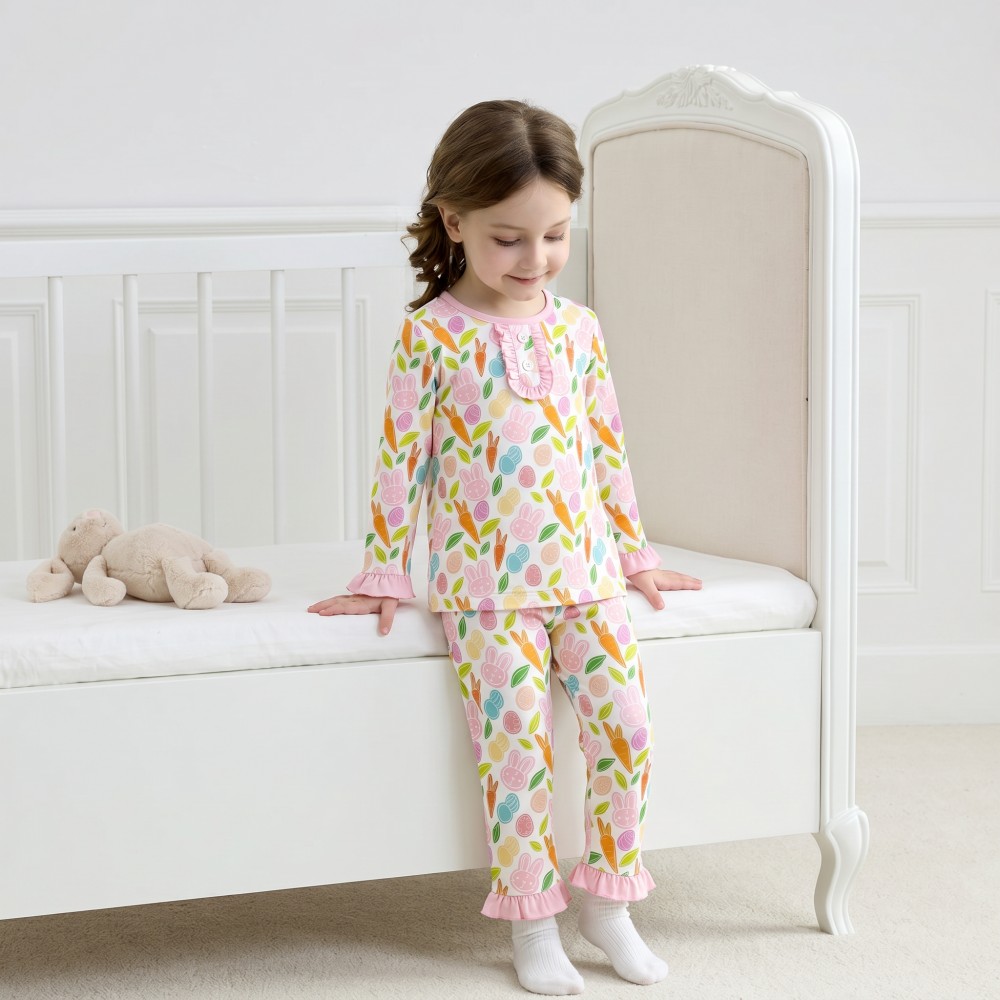
Parents face a daily challenge that many overlook: helping children select appropriate outfits quickly and without conflict. When kids clothes are thoughtfully designed with versatility and coordination in mind, the morning routine transforms dramatically. The right kids clothes eliminate decision fatigue, reduce preparation time, and empower children to develop independence in their clothing choices. Understanding how strategic kids clothes selection can streamline this process is essential for busy families seeking practical solutions to a universal parenting challenge.
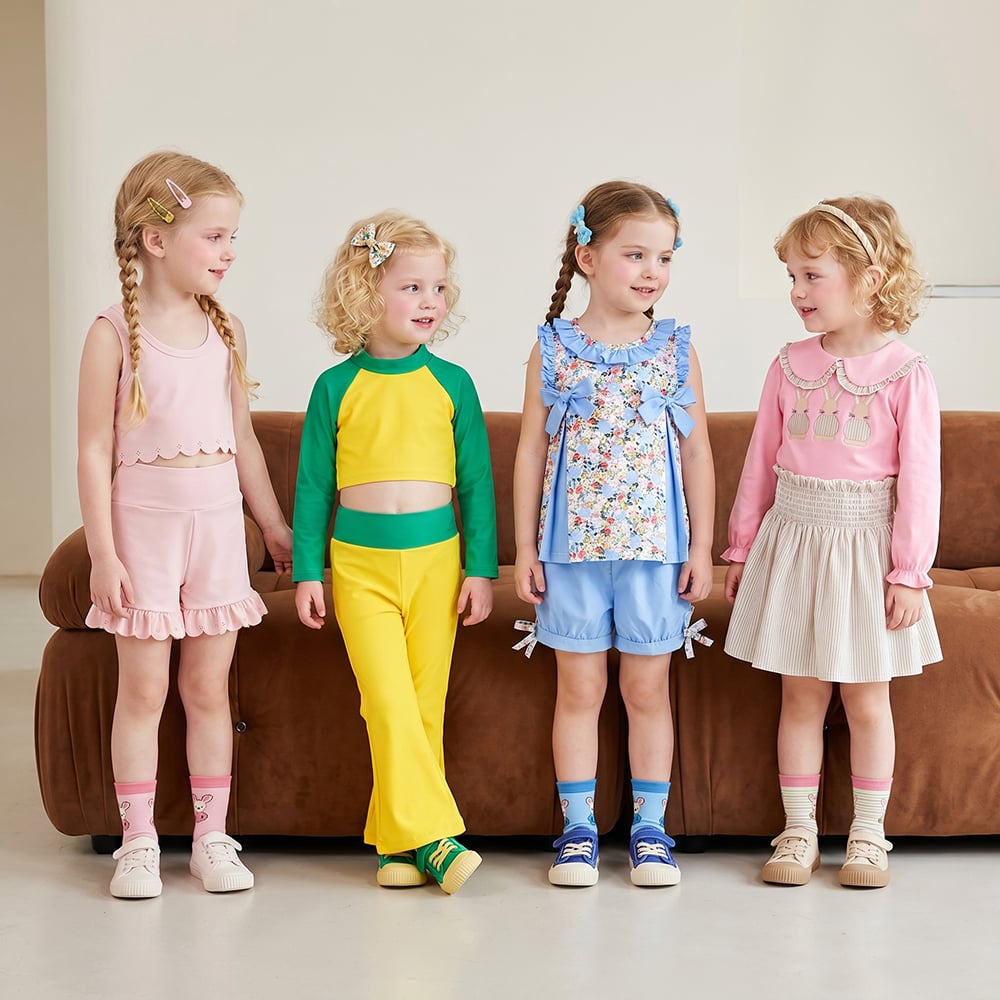
The foundation of simplified outfit selection lies in how kids clothes are chosen and organized in the first place. When parents invest in pieces that work together seamlessly, kids clothes become a functional system rather than a random collection. Coordinated kids clothes reduce the number of decisions children face each morning, which research shows reduces stress for both children and parents. This strategic approach to kids clothes purchasing transforms morning routines from chaotic scrambles into smooth, predictable processes that set a positive tone for the entire day.
Strategic Color Palettes for Kids Clothes
Neutral Bases Combined with Accent Pieces
Kids clothes built around a cohesive color palette eliminate mismatched outfit combinations before they occur. When parents select kids clothes in neutral tones like white, gray, navy, and cream as foundation pieces, every additional item in the kids clothes collection pairs effortlessly with these bases. This approach means children can grab any shirt and any pair of pants from their kids clothes drawer and produce a polished, coordinated outfit without adult guidance. The psychological benefit extends beyond convenience; children develop confidence knowing their kids clothes selections will always look intentional and appropriate.
Seasonal Rotation Systems
Maintaining a curated collection of kids clothes organized by season further simplifies outfit selection throughout the year. Rather than overwhelming children with dozens of options, rotating kids clothes seasonally reduces choice to a manageable handful of combinations. Summer kids clothes selections should include lightweight fabrics and breathable materials, while winter kids clothes can feature warmer layers that coordinate with existing pieces. This systematic approach to kids clothes management means parents purchase with intention, children navigate limited but cohesive options, and morning decisions happen faster because every piece in accessible kids clothes storage works together.
Mix-and-Match Design Principles for Kids Clothes
Versatile Pieces That Work Across Multiple Occasions
The most effective kids clothes solve multiple styling problems simultaneously by functioning across different contexts and settings. Quality kids clothes pieces designed with neutral patterns or classic prints can transition from casual home wear to school events to weekend activities without requiring complete outfit changes. When kids clothes are selected for this versatility, parents need to manage fewer total pieces while still having outfit options for varied situations. A well-designed kids clothes collection includes pieces that work in layers, can be mixed with different bottoms, and maintain their appearance through frequent washing and wearing.
Fabric and Fit as Decision Factors
Kids clothes comfort directly impacts whether children will actually wear selected outfits without complaint or resistance. When parents prioritize kids clothes made from soft, breathable fabrics with appropriate fits, children accept outfit choices more readily and complain less about discomfort throughout the day. Kids clothes with consistent sizing and quality construction maintain shape through multiple wearings and washes, ensuring that coordinated outfits continue looking polished even after extended use. This durability in kids clothes means parents can confidently mix pieces across multiple seasons knowing their kids clothes investments will withstand regular wear patterns.
Involving Children in Kids Clothes Selection Process
Age-Appropriate Decision Making with Kids Clothes
Empowering children to participate in kids clothes decisions within predetermined boundaries reduces morning conflicts while building their confidence and decision-making skills. Younger children might select between two pre-paired outfit options from the kids clothes collection, while older children could choose any combination from coordinated kids clothes pieces. This graduated approach to kids clothes responsibility teaches children dressing skills while preventing the overwhelming paralysis that comes from unlimited choices. When kids clothes are organized to make every selection appropriate, children develop autonomy without requiring constant parental oversight during the dressing process.
Teaching Kids Clothes Coordination Basics
Children who understand basic coordination principles make better kids clothes selections independently and develop lifelong dressing confidence. Teaching young people how colors, patterns, and styles work together within their kids clothes collection transforms them from passive recipients of outfit choices into active participants in their appearance. Kids clothes organized by category and color make these lessons tangible and practical, allowing children to see which kids clothes pieces harmonize visually. This educational approach turns daily dressing into a learning opportunity while systematically reducing the time parents spend managing morning outfit selection.
Storage and Organization of Kids Clothes
Accessibility and Visibility in Kids Clothes Storage
How kids clothes are physically organized in drawers, closets, and storage spaces directly impacts whether children and parents can quickly locate and identify wearable combinations. Kids clothes stored with visibility, such as folded rather than stacked or hung rather than concealed, make selection faster and reduce the temptation to pull items randomly. Organizing kids clothes by type, color, or outfit combination helps children understand which pieces work together without requiring adult assistance. Storage systems for kids clothes should be accessible to the age groups using them, enabling independence while maintaining organized, functional systems.
Seasonal Transition and Donation Cycles
Regular review and rotation of the kids clothes collection prevents accumulation of worn-out or outgrown pieces that create visual clutter and reduce decision clarity. Removing kids clothes that no longer fit or have deteriorated keeps the active kids clothes collection focused on pieces that actually work and look good. Parents should establish seasonal cycles for evaluating kids clothes, identifying gaps in existing combinations, and making strategic additions to maintain functional variety. This ongoing maintenance of kids clothes collections ensures that morning selection continues running smoothly as children grow and seasons change.
FAQ
How many pieces of kids clothes do children actually need for a functional wardrobe?
A functional kids clothes collection typically includes seven to ten coordinating outfits depending on laundry frequency and lifestyle demands. Rather than accumulating dozens of disconnected kids clothes pieces, parents benefit from carefully curated selections where every item coordinates with multiple other pieces. When kids clothes are strategically chosen, fewer total pieces produce more outfit combinations because everything works together seamlessly. Quality kids clothes that serve multiple purposes and coordinate broadly provides children adequate variety while preventing the overwhelming excess that complicates daily selection.
What age can children begin making independent kids clothes choices?
Children as young as three or four can begin making simple kids clothes selections when choices are presented within controlled parameters by parents. Starting with offering two pre-approved outfit options helps young children participate in kids clothes decisions without creating decision paralysis or inappropriate selections. By age six or seven, children can typically understand basic kids clothes coordination principles and select appropriate combinations from a curated collection. Gradually expanding kids clothes choice authority as children mature builds their confidence while maintaining parental oversight of appropriateness and practicality.
How does choosing coordinated kids clothes reduce parenting stress beyond just saving time?
Coordinated kids clothes reduce cognitive load for both parents and children by eliminating daily micro-decisions that accumulate into significant mental fatigue. When kids clothes are organized and harmonious, mornings proceed more smoothly with fewer negotiations, changes, and last-minute adjustments. The psychological security of knowing that any kids clothes combination will look appropriate and function well creates confidence that extends beyond dressing into overall child development and independence. Reduced morning conflicts over kids clothes selection create positive family dynamics and set constructive tones for the entire day.