
 EN
EN
Parents who reorder baby clothes consistently share a clear pattern: they have found products that deliver on reliability, comfort, and value. Understanding which features drive repeat purchases is essential for anyone involved in childcare, retail, or family lifestyle decisions. The most loyal customers aren't drawn by trends alone—they return because baby clothes meet specific, practical needs that make parenting easier and healthier for their children.
Parents make deliberate, informed choices when selecting baby clothes for regular use. They evaluate durability, comfort, ease of care, and design functionality—factors that directly impact their daily routines and their child's wellbeing. When baby clothes perform consistently across these dimensions, parents develop confidence in the brand or product line and return to purchase again and again. This article explores the specific features that build that confidence and loyalty among discerning parents.
Fabric Quality and Comfort Standards
Natural Fiber Composition
The foundation of reorder-worthy baby clothes begins with fabric selection. Parents consistently choose baby clothes made from natural fibers—primarily organic cotton, bamboo blends, and linen—because these materials breathe well against sensitive skin. Natural fiber baby clothes reduce the risk of irritation, overheating, and discomfort during extended wear. Organic certification matters because it signals that baby clothes have been produced without harmful pesticides or synthetic chemicals that could compromise infant skin health.
Fabric weight and construction directly influence how baby clothes perform in real-world conditions. Heavier, densely woven baby clothes tend to hold their shape after multiple washes, while lightweight versions offer better breathability for warm climates. Parents who find baby clothes that match their climate and their child's activity level tend to reorder that exact style because it has proven effective. Consistency in fabric feel—softness, drape, and texture—signals quality that encourages parents to return.
Durability Through Repeated Wear
Baby clothes must withstand frequent laundering, intense play, and exposure to various elements. Seam construction quality is one of the clearest indicators of durability in baby clothes. Double-stitched seams, reinforced hems, and secure attachment points prevent unraveling and separation after dozens of wash cycles. Parents who purchase baby clothes with poor seam construction quickly abandon those brands; those who find baby clothes with superior seam integrity become repeat customers.
Color retention is another critical durability marker for baby clothes. Fabrics that fade quickly signal lower quality and discourage reorders because parents associate fading with overall breakdown of the garment. Quality baby clothes use superior dyeing processes that preserve color intensity through multiple washes and sun exposure. When parents find baby clothes that look fresh and vibrant after a year of regular wear, that trust directly translates into loyalty.
Functional Design Elements
Ease of Dressing and Care
Practical design features separate baby clothes that parents love from those they tolerate. Snap closures, particularly down the front or along the side seam, make baby clothes easier to change, wash, and put on quickly. Parents appreciate baby clothes designed for one-handed operation during diaper changes or when holding an infant. Tagless construction prevents irritation and eliminates confusion during dressing, which busy parents especially value in baby clothes.
Machine washability without special treatment is a silent but powerful driver of reorders for baby clothes. Parents who spend time hand-washing or air-drying specific baby clothes eventually move to alternatives that simplify laundry. Baby clothes that survive standard hot or warm water washing, standard detergent, and machine drying maintain their structure and remain convenient long-term. Shrink-resistant and fade-resistant baby clothes reduce anxiety around laundry and encourage confident repurchasing.
Growth Accommodation and Flexibility
Smart sizing in baby clothes matters tremendously because children grow rapidly and inconsistently. Baby clothes with adjustable waistbands, expandable inseams, or overlapping closures extend the wearable lifespan. Parents who find baby clothes that fit their child across multiple size transitions feel they've discovered real value and are far more likely to reorder the same style as their child grows. Flexible baby clothes also reduce the rate at which garments end up too small, which aligns with both budget and environmental concerns that modern parents increasingly prioritize.
Versatility across seasons and contexts increases the perceived value of baby clothes significantly. Pieces that work equally well in summer heat and winter layering, or that transition seamlessly from playtime to formal occasions, encourage parents to stock multiple units. Baby clothes designed for layering or temperature flexibility become closet staples that parents reorder in different colors or patterns, knowing the style will serve their needs reliably.
Safety, Compliance, and Transparency
Certification and Standards Compliance
Parents researching baby clothes increasingly verify compliance with safety standards before committing to repeat purchases. Certifications such as OEKO-TEX, GOTS (Global Organic Textile Standard), and adherence to age-appropriate flammability regulations provide reassurance that baby clothes have been tested and verified safe. Baby clothes bearing these certifications signal that manufacturers prioritize infant safety above cost cutting, which builds parental confidence for reorders.
Transparency regarding manufacturing practices influences parent decisions about which baby clothes to recommend and repurchase. Parents want to know where and how baby clothes are made, what materials were used, and whether the supply chain meets ethical labor standards. Baby clothes produced with full traceability and ethical sourcing appeal to values-driven parents who are willing to reorder despite potentially higher price points because they align with their broader worldview.
Chemical Safety and Hypoallergenic Properties
Baby clothes free from harmful dyes, bleaches, and finishing chemicals directly reduce dermatological reactions and discomfort. Parents whose infants have experienced rashes or irritation from standard baby clothes become highly motivated to find alternatives and reorder exclusively from trusted sources. Hypoallergenic baby clothes, particularly those confirmed through dermatological testing, appeal to this segment strongly.
Clear labeling about chemical treatment and dye methods builds confidence in baby clothes. Parents appreciate full ingredient transparency comparable to food labeling. Baby clothes that clearly state they are dyes-tested, residue-tested, and free from common allergens differentiate themselves in a crowded market. When these properties actually deliver—meaning the child experiences no negative reactions—parents develop unwavering loyalty and reorder confidently.
Design Appeal and Emotional Connection
Aesthetic Consistency and Uniqueness
Baby clothes that balance current style trends with timeless design principles encourage repeat purchasing across seasons. Parents appreciate baby clothes that won't look dated quickly, allowing them to pass items down to younger siblings or feel comfortable sharing photos on social media. Unique design elements—distinctive prints, unusual color combinations, or thoughtful details—make baby clothes memorable and give parents pride in dressing their children well.
Coordinated design systems make baby clothes reordering easier because parents can mix and match pieces across multiple collections. Baby clothes designed as a cohesive visual system, rather than random individual pieces, encourage parents to build wardrobes around core styles. This creates natural reorder patterns as parents add complementary baby clothes to existing collections they love.
Customization and Personal Expression
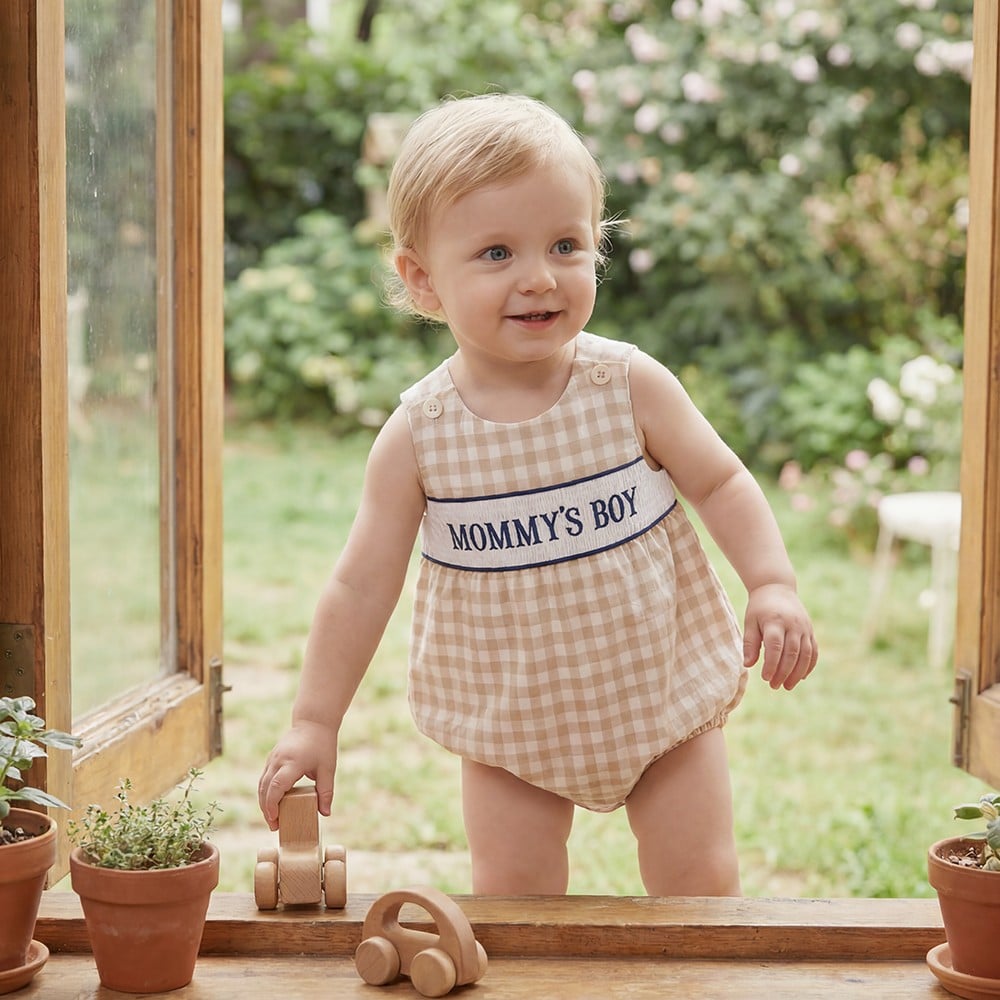
Customizable baby clothes—through monogramming, color selection, or embroidery—create emotional attachments that drive loyalty. baby clothes that allow personalization transform generic products into keepsakes parents treasure and gift. When parents invest in customized baby clothes, they become invested in the brand and reorder future pieces from the same source, knowing the customization process delivers quality results.
Limited edition collections and seasonal designs create urgency without compromising the core appeal of reliable, high-quality baby clothes. Parents who feel they've discovered a special design they love tend to purchase multiple sizes or colors, and they return predictably when new collections launch. This combination of reliable quality with fresh design options keeps baby clothes exciting while maintaining the consistent performance that built initial trust.
FAQ
What fabric content matters most when choosing baby clothes?
Organic cotton ranks as the top fabric choice for baby clothes because it offers breathability, softness, and safety without synthetic chemicals. Bamboo blends and linen also perform well in baby clothes for similar reasons. The key factor is that natural fibers allow skin to regulate temperature and moisture, which keeps infants comfortable and reduces the likelihood of irritation. Parents consistently reorder baby clothes made from these materials because the comfort difference is noticeable and measurable.
How do I identify baby clothes that will hold up through multiple wash cycles?
Examine seam construction carefully—quality baby clothes feature double stitching and reinforced stress points. Check that baby clothes have a proper care label indicating they can withstand standard washing temperatures without shrinking or fading. Read reviews from other parents specifically about durability over time. Baby clothes with high ratings for color retention and seam integrity after one year of regular use indicate manufacturing quality that justifies reordering. Feel the weight and density of the fabric, as heavier baby clothes typically outlast lightweight versions.
Why do some parents prioritize customizable baby clothes?
Customizable baby clothes offer both practical and emotional benefits that encourage repeat purchases. Parents appreciate personalization because it creates unique keepsakes suitable for gifting or preserving memories. Customized baby clothes also allow parents to express their style through their child's wardrobe. When customization is executed well—with precise embroidery, durable thread, and clear lettering—parents trust the brand enough to order additional customized baby clothes for siblings, special occasions, or gifts. This transforms casual purchases into loyal, predictable customer relationships.