
 EN

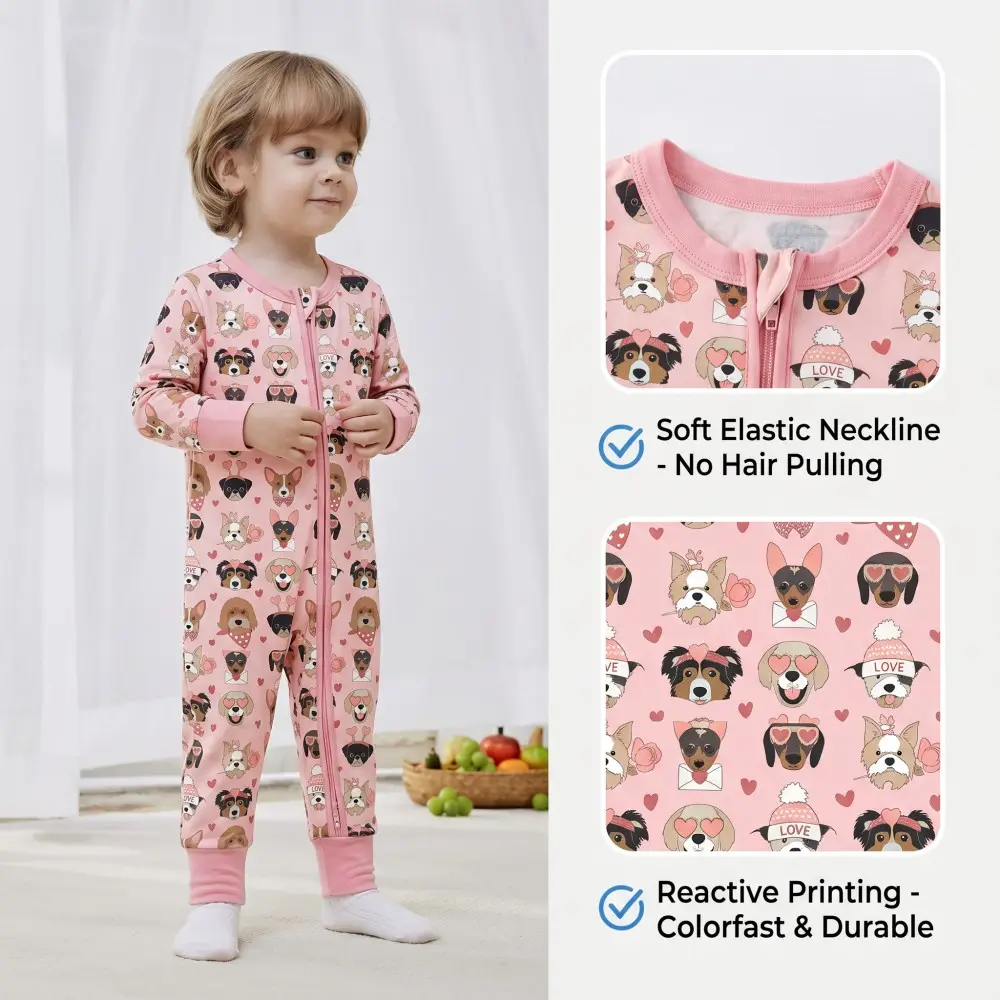
Parents who invest in quality kids clothes understand that durability is far more than a convenience—it is a fundamental necessity for active children. Kids clothes must withstand the rigors of play, movement, repeated washing, and constant physical contact with the environment. When parents choose kids clothes made from durable fabrics, they are making an investment that protects their children's comfort, safety, and overall well-being while reducing the frequency and expense of replacing worn items.
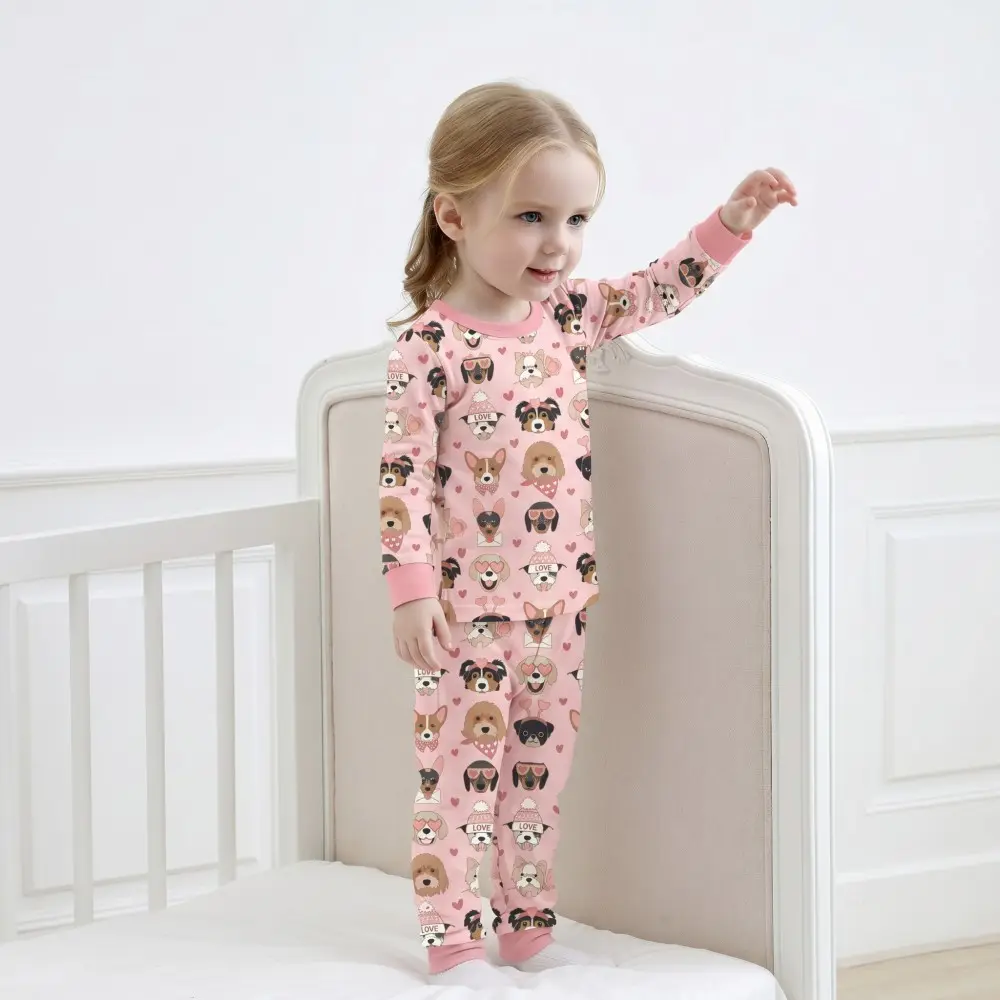
The demand for dependable kids clothes has never been higher. Modern families face unique challenges: children transition between multiple activities daily, encounter varied environmental conditions, and participate in sports, school, outdoor play, and social events. Durable kids clothes designed with high-quality fabrics meet these demands head-on, providing the strength and integrity required for genuine daily wear. Understanding why durability matters in kids clothes helps parents make informed purchasing decisions that benefit both their children and their household budget.
Why Durability Protects Children Through Active Lifestyles
The Physical Demands on Kids Clothes
Kids clothes face extraordinary physical stress compared to adult garments. Children engage in constant motion—running, climbing, sliding, jumping, and playing—that creates friction, tension, and wear on fabric fibers. Seams experience repeated stretching, hems encounter ground contact, and sleeves endure pulling and tugging. Kids clothes made from weak or fragile fabrics begin showing damage within days, developing tears, pilling, and permanent deformation. Durable kids clothes with reinforced seams and sturdy textile construction maintain their integrity through this relentless activity, ensuring garments remain safe, intact, and protective for extended periods.
Safety and Comfort in Daily Wear
When kids clothes deteriorate rapidly, they pose genuine safety risks. Torn seams, fraying edges, and compromised fabric can catch on equipment, create choking hazards, or fail to provide adequate protection from weather and temperature changes. Kids clothes constructed from durable materials resist tearing and maintain structural integrity even under stress. Additionally, durable fabrics in kids clothes retain their shape and cushioning properties, preventing discomfort from tight, misshapen garments that restrict movement or create pressure points. Quality kids clothes ensure children remain safe, comfortable, and unrestricted during school, play, and daily activities.
How Durable Fabrics Extend Kids Clothes Lifespan
Resisting Wear, Pilling, and Fading
High-quality kids clothes made from durable fabrics resist common forms of deterioration that plague lesser garments. Premium fibers maintain their structural integrity through extended wear and repeated washing cycles. Kids clothes featuring densely woven or tightly constructed fabrics resist pilling—the formation of small fabric balls on the surface—that quickly makes garments look worn and tired. Durable kids clothes also resist fading from sun exposure and repeated laundering, maintaining vibrant colors and professional appearance throughout their usable life. This resistance to visible wear translates directly into extended garment lifespan and sustained functionality.
Withstanding Frequent Washing and Laundering
Kids clothes require frequent washing to maintain hygiene and cleanliness, creating cumulative stress on fabric fibers and garment construction. Standard kids clothes may shrink, become stiff, or develop weaknesses after just ten to fifteen wash cycles. Durable kids clothes engineered with quality fibers and superior construction methods withstand twenty, thirty, or more complete wash-and-dry cycles while maintaining their original dimensions, flexibility, and visual appearance. The ability of kids clothes to survive rigorous laundering without degradation makes durable fabrics economically essential for families managing multiple children or hand-me-down systems. Quality kids clothes provide consistent performance year after year, maximizing every dollar spent on children's garments.
The Economic and Environmental Case for Durable Kids Clothes
Reducing Replacement Frequency and Household Costs
The financial impact of selecting durable kids clothes cannot be overstated. When low-quality kids clothes deteriorate within weeks or months, families face constant replacement cycles that accumulate significant annual expenses. Investing in durable kids clothes reduces replacement frequency from multiple times per year to once every two or three years, creating substantial savings that compound across an entire wardrobe. Families with multiple children experience exponential savings when durable kids clothes can transition between siblings through hand-me-down systems. The higher initial cost of quality kids clothes pays dividends through extended service life, making durable options far more economical over the medium and long term.
Supporting Sustainable Consumption and Circular Economy
Environmental consciousness increasingly influences purchasing decisions for kids clothes. Durable kids clothes that remain functional for extended periods reduce textile waste flowing into landfills and decrease demand for new manufacturing. When kids clothes from one child pass to younger siblings or cousins, or find secondary markets through resale platforms, durable construction ensures they continue delivering value rather than becoming waste. Families choosing durable kids clothes actively participate in reducing their environmental footprint while teaching children about sustainability and resource conservation. This alignment with circular economy principles makes quality kids clothes an attractive choice for environmentally aware families seeking to minimize household impact.
FAQ
What fabric types are most durable for kids clothes?
The most durable kids clothes typically feature high-quality natural fibers like organic cotton, linen, and wool blends, or technical synthetic fibers like polyester and nylon specifically engineered for durability. For kids clothes intended for active daily wear, look for densely woven fabrics with thread counts above 200, reinforced seams with multiple stitch lines, and construction methods that prevent fraying and unraveling. Hybrid blends combining natural fiber comfort with synthetic durability often produce kids clothes offering optimal balance between comfort, longevity, and performance characteristics.
How often should durable kids clothes be replaced?
Quality kids clothes designed from durable fabrics typically remain functional and appropriate for two to four years of active daily wear, depending on child growth rates and wear intensity. Many families find that durable kids clothes can transition successfully to younger siblings or cousins, effectively extending usable lifespan to five or more years. Regular inspection for fit, damage, and safety should guide replacement timing rather than arbitrary schedules. Kids clothes should be retired when they no longer fit appropriately, develop safety hazards, or lose functional integrity regardless of how durable the original construction proved.
Are durable kids clothes more expensive initially?
Yes, quality kids clothes featuring durable fabrics typically carry higher upfront costs than budget alternatives, often costing twenty to fifty percent more per garment. However, this initial investment yields significant total-cost-of-ownership advantages when kids clothes survive two to four times longer than cheaper alternatives. When families account for replacement frequency, longevity, and hand-me-down potential, durable kids clothes consistently deliver better long-term value. The choice between expensive kids clothes and budget options should prioritize total cost of ownership and lifespan rather than focusing solely on initial purchase price.