
 EN

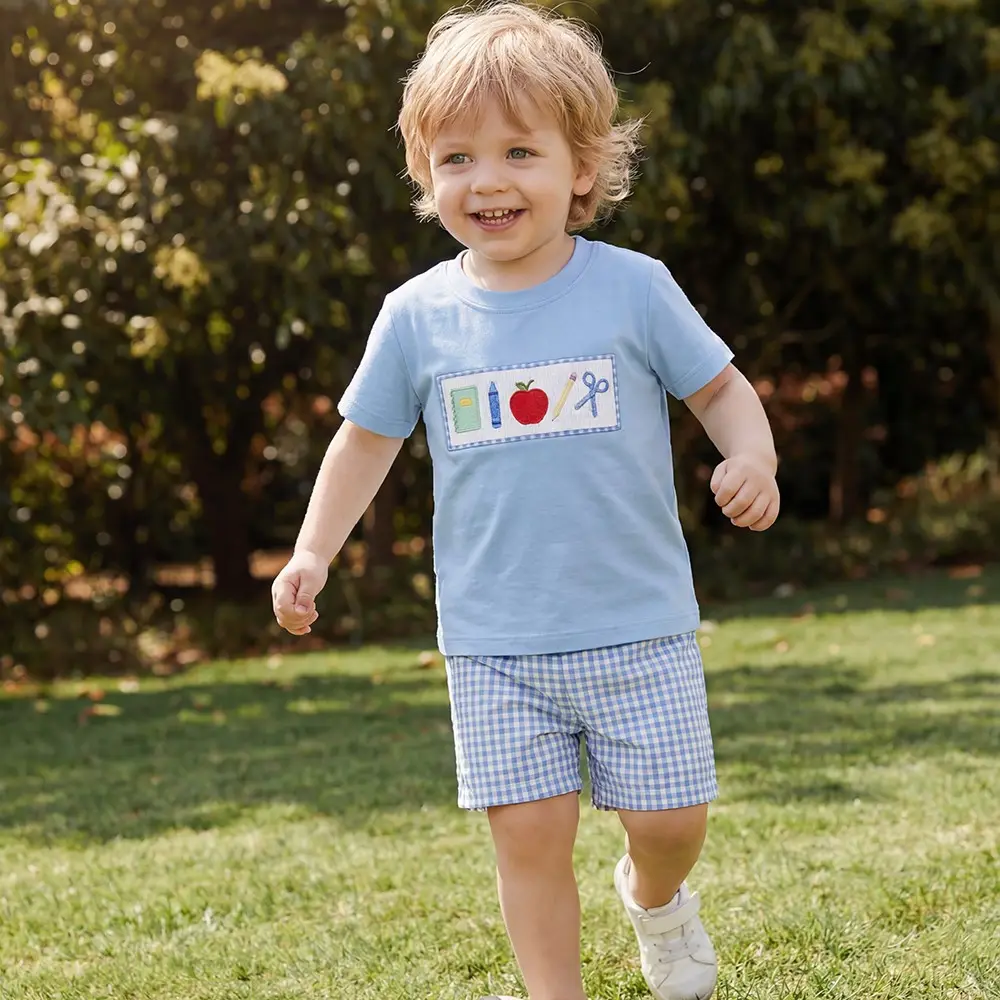
When shopping for kids clothes, parents face an important decision that extends far beyond picking colors and patterns. The quality of kids clothes directly affects comfort, durability, and safety for growing children. Parents instinctively seek certain details that signal trustworthy construction and thoughtful design, yet many struggle to identify exactly which elements matter most. Understanding what makes quality kids clothes helps parents make informed purchases that protect their investment and keep children comfortable throughout active play and daily routines.
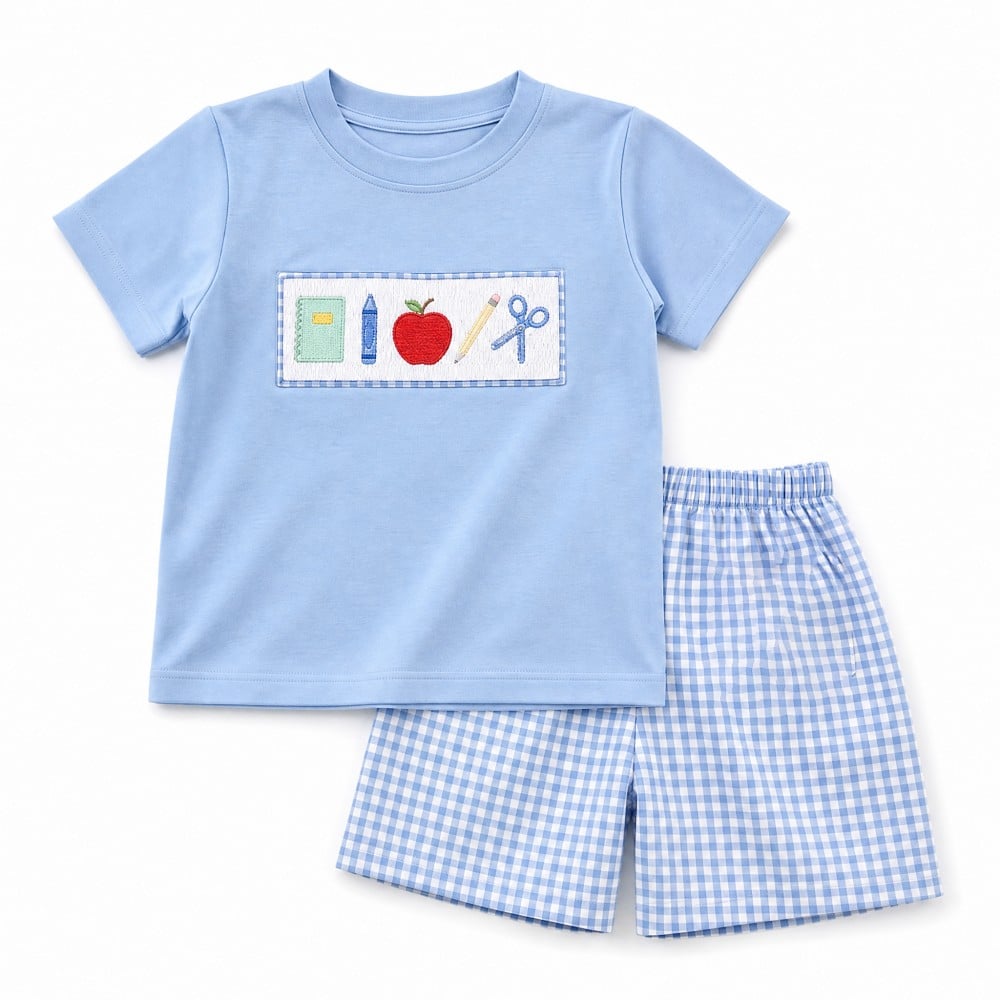
Quality kids clothes tell a story through their construction details. Seams, hems, button placement, and fabric weight all communicate whether a garment was engineered for childhood durability or simply mass-produced for quick sales. Parents who understand these markers gain confidence when evaluating kids clothes options, enabling them to distinguish premium offerings from budget alternatives that may fade or tear after a few washes.
Seam Construction and Stitching Quality
Double Stitching and Reinforced Seams
The foundation of trustworthy kids clothes begins with seam quality. Double stitching at stress points—armholes, inseams, and shoulder seams—prevents unraveling after repeated washing and active movement. When examining kids clothes, parents should look for consistent stitch length without gaps or puckering. Reinforced corner seams on pockets and appliqué details demonstrate that manufacturers anticipated wear patterns and built durability into the garment. This attention to seam integrity transforms kids clothes from disposable items into pieces that withstand multiple seasons and potentially pass to younger siblings.
Thread Quality and Color Matching
The thread used in kids clothes construction must match the fabric color and possess sufficient strength to outlast typical childhood use. Quality kids clothes feature thread that doesn't separate from seams during washing or show visible breakage after normal wear. Parents can assess thread quality by gently tugging on finished seams and observing how securely the thread anchors within the fabric. Premium kids clothes manufacturers select thread that remains colorfast and maintains integrity through repeated laundry cycles, preventing the embarrassing situation where seams gradually unravel during the school year.
Fabric Selection and Comfort Features
Weight, Weave, and Durability
Trustworthy kids clothes incorporate fabric weights appropriate for their intended use. Lightweight cotton works for summer kids clothes, while heavier knits and blended fabrics provide durability for everyday wear. The weave density in kids clothes directly impacts how well the garment resists pilling, fading, and thinning. Parents who examine the fabric closely notice that quality kids clothes feel substantial in the hand without feeling stiff or uncomfortable. The fabric structure should show tight, even weave patterns that prevent fuzziness and maintain shape through countless washes. These characteristics distinguish genuine quality kids clothes from cheaply made alternatives that deteriorate visibly after a few seasons.
Comfort Considerations and Design Elements
Beyond durability, trustworthy kids clothes prioritize comfort through thoughtful design details. Tagless labels, flatlock seams on sensitive areas, and preshrunk fabrics eliminate common irritations that children experience. Quality kids clothes often feature gussets under arms to reduce binding and allow fuller movement during active play. The hem finishes on quality kids clothes utilize techniques that prevent rolling and maintain shape, ensuring the garment looks intentional rather than hastily assembled. Parents recognize that kids clothes designed with both function and comfort in mind typically see fewer complaints about wearing them and last longer because children actually wear them repeatedly.
Hardware, Fasteners, and Finishing Details
Button Security and Material Quality
When evaluating kids clothes buttons, parents should examine whether they're securely attached with reinforcing threads underneath. Quality kids clothes feature buttons with at least four attachment points rather than two, preventing accidental loss during active play. The material of buttons in quality kids clothes matters significantly—genuine resin, wood, or coated metal buttons signal attention to detail, whereas thin, cheap plastic buttons suggest rushed manufacturing. Parents who check button security by attempting to wiggle them gently can gauge whether the manufacturer views kids clothes as long-term investments or short-term purchases.
Zippers, Snaps, and Hem Finishing
Durable hardware distinguishes trustworthy kids clothes from compromised alternatives. Quality kids clothes feature metal or heavy-duty plastic zippers that glide smoothly without catching fabric, whereas cheaply made kids clothes often include zippers prone to jamming. Snaps in quality kids clothes sit securely and snap with audible clicks, indicating proper installation depth. Hem finishing techniques in premium kids clothes include methods like coverstitch or blind hemming that create invisible, durable closures. Parents who inspect these details find that quality kids clothes maintain their finished appearance through dozens of laundry cycles, while poorly made kids clothes show visible hem separation and fraying after just a few washes.
Size Consistency and Growth-Friendly Design
Accurate Sizing and Generous Seams
Trustworthy kids clothes manufacturers maintain consistent sizing across their collections, preventing the frustration of ordering the same size and finding wildly different fits. Quality kids clothes feature generous inseams and underarm seams that allow room for growth without immediately becoming too small. Parents appreciate kids clothes designed with let-out seams in strategic locations, enabling temporary lengthening as children grow. The positioning of growth seams in kids clothes shows that designers anticipated the needs of growing children rather than optimizing only for immediate fit. This forward-thinking approach means quality kids clothes provide better value through extended wearability.
Proportional Fit and Age-Appropriate Design
Quality kids clothes demonstrate understanding of child proportions at different ages. Unlike adult-inspired designs that poorly serve childhood bodies, premium kids clothes feature shorter sleeves appropriate for children's arm length and higher armholes suited to developing shoulders. The proportions of quality kids clothes prevent excess fabric bunching while ensuring unrestricted movement during play. Parents notice that well-proportioned kids clothes require fewer adjustments and alterations, fitting comfortably straight from the package. This attention to proper child proportions transforms kids clothes from something children tolerate into pieces they actually enjoy wearing.
Visual Indicators of Craftsmanship
Symmetry and Pattern Alignment
Quality kids clothes exhibit precise pattern matching at seams, particularly visible on striped or plaid designs. When plaids align perfectly at shoulder seams and stripes create continuous lines down kids clothes bodies, it signals careful cutting and assembly. Parents can immediately spot poorly made kids clothes when patterns mismatch at seams or designs appear crooked. Symmetrical appliqué placement and centered graphics demonstrate that kids clothes received individual attention during manufacturing. These visual cues help parents distinguish hand-crafted quality from mass-production negligence.
Embroidery and Appliqué Details
When kids clothes feature embroidery or appliqué, the execution quality reveals manufacturer commitment. Quality kids clothes showcase embroidery with consistent tension, no loose threads, and secure backing stitches preventing unraveling. Appliqué elements in premium kids clothes sit flat against the base fabric with edges sealed through careful stitching rather than simply glued on. The thread colors in quality kids clothes embroidery match design intentions, and no stray threads protrude from finished pieces. Parents recognize that kids clothes with sloppy embroidery or poorly secured appliqués won't survive the season intact, making them poor investments regardless of initial purchase price.
Fabric Care and Longevity
Colorfastness and Wash Durability
Trustworthy kids clothes maintain color vibrancy through multiple wash cycles because manufacturers use quality dyes and proper fixing processes. Parents who notice significant fading after just a few washes understand they've purchased poorly made kids clothes. Quality kids clothes retain their appearance through regular laundering, and fade patterns develop gradually and evenly rather than in unexpected patches. The fabric in quality kids clothes resists pilling and bobbling that makes garments look aged prematurely. These durability markers help parents identify which kids clothes represent genuine investments and which will disappoint through rapid deterioration.
Shrinkage Control and Dimensional Stability
Premium kids clothes incorporate preshrinking processes that prevent unexpected size changes after washing. Quality kids clothes maintain their intended dimensions through years of laundry, enabling parents to pass them down confidently. The fabric stability in quality kids clothes means hems don't pull up unexpectedly and sleeves don't migrate in length. Parents who have experienced disappointing shrinkage in cheap kids clothes recognize the value of preshrinking. Trustworthy kids clothes manufacturers acknowledge that children grow fast enough without their clothing shrinking unpredictably.
FAQ
What specific seam details should parents examine when evaluating kids clothes quality?
Parents should look for double stitching at stress points like armholes and inseams, consistent stitch length without gaps, and reinforced corner seams on pockets. Running fingers along seams should reveal secure, even stitching with no loose thread ends. Quality kids clothes also show secure thread anchoring that resists tugging, indicating the garment will withstand active play. Conversely, visible gaps between stitches, uneven tension, or thread separation signals poorly constructed kids clothes that will deteriorate quickly.
How can parents assess fabric quality when shopping for kids clothes?
Parents should handle kids clothes to judge fabric weight and weave density, looking for substantial feel without stiffness. Examining the weave pattern under light reveals tight, even construction in quality kids clothes versus loose, irregular patterns in poorly made options. Parents should also check care labels to verify that kids clothes fabrics have been preshrunk. Testing button and seam security before purchasing helps identify which kids clothes will survive multiple wash cycles. Looking at reviews from other parents who have actually laundered and worn the kids clothes provides valuable insight into true durability.
Why do kids clothes with generous seams matter more than perfect initial fit?
Children grow rapidly, and quality kids clothes feature generous inseams and underarm seams that accommodate growth without becoming uncomfortably small. Generous seams in kids clothes allow temporary lengthening through simple alterations, extending wearability. Kids clothes with minimal seam allowances force premature replacement when children grow just inches. By prioritizing growth-friendly construction, quality kids clothes provide better long-term value and justify higher initial prices. Parents who understand this principle recognize that true quality in kids clothes isn't just about initial appearance but about durability and adaptability throughout childhood development.