
 EN
EN

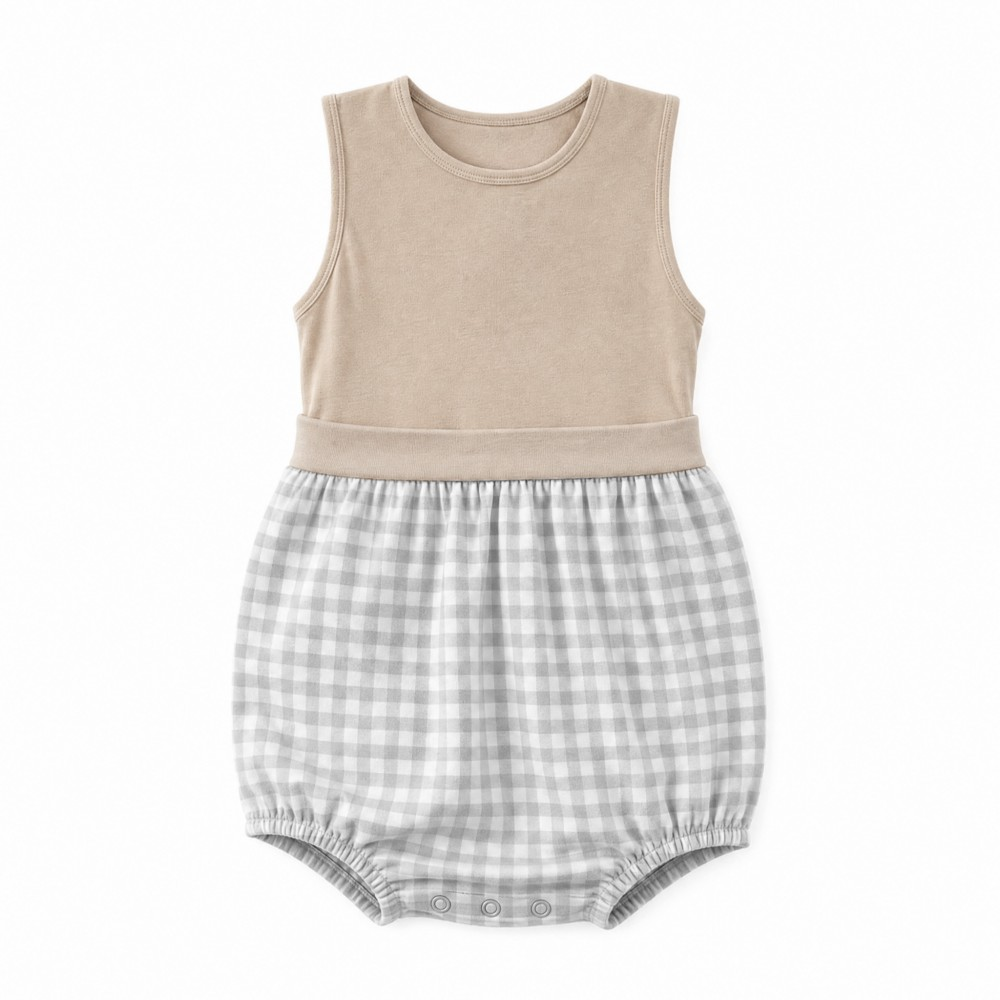
When buyers evaluate baby clothes, two factors consistently rise to the top of their decision-making process: how the fabric feels against a newborn's skin, and how the trims and finishing details are constructed. These are not cosmetic preferences. For buyers sourcing baby clothes at a wholesale or boutique level, fabric touch and trim quality directly influence customer satisfaction, return rates, and brand reputation. Understanding why these elements matter so deeply is essential for anyone involved in buying or producing baby clothes professionally.
The baby clothes market is one of the most quality-sensitive segments in apparel retail. Parents and gift buyers hold baby clothes to an exceptionally high standard because the end wearer cannot communicate discomfort. A scratchy seam, a rough ruffle edge, or a poorly finished snap can cause irritation that a baby cannot articulate. This silent vulnerability pushes buyers to scrutinize baby clothes far more carefully than adult garments, making fabric touch and trim execution the defining criteria in purchase decisions.
The Role of Fabric Touch in Baby Clothes Buying Decisions
Why Skin Sensitivity Drives Fabric Selection
Newborn and infant skin is significantly thinner and more permeable than adult skin. This means that baby clothes made from rough, synthetic, or chemically treated fabrics pose a real risk of irritation, redness, and allergic reaction. Buyers sourcing baby clothes for retail shelves or boutique collections know that parents inspect fabric hand feel before almost anything else. A soft, breathable fabric signals safety. It tells the parent that the baby clothes were designed with genuine infant comfort in mind, not just visual appeal.
Natural fibers such as cotton, organic cotton, and bamboo blends are consistently preferred in baby clothes because they regulate temperature, absorb moisture, and minimize friction. Buyers who stock baby clothes made from these materials typically see stronger repeat purchase rates. When a parent touches a garment on a rack and feels that immediate softness, the purchase decision accelerates. Fabric touch is therefore not just a quality marker — it is a direct sales trigger in the baby clothes segment.
How Fabric Weight and Weave Affect Perceived Quality
Beyond fiber content, the weight and construction of the fabric in baby clothes affect how buyers assess overall garment quality. A fabric that feels limp or overly stiff signals poor construction regardless of the fiber. Baby clothes made from a well-balanced jersey knit or a fine interlock weave communicate durability and thoughtful production. Buyers handling baby clothes samples during sourcing evaluate whether the fabric drapes naturally, resists pilling, and retains shape after light stretching. These tactile cues inform bulk purchasing decisions at a professional level.
Why Trims Are a Critical Quality Signal in Baby Clothes
The Safety and Comfort Dimension of Trims
Trims in baby clothes include ruffles, lace edges, snap closures, elastic bands, embroidered patches, ribbon ties, and decorative appliqués. Every trim that contacts infant skin must meet a higher standard than trims used in adult clothing. Buyers assessing baby clothes check whether elastic bands are covered and gentle, whether snap buttons are securely attached and free of sharp edges, and whether decorative elements are stitched flat enough to avoid pressure points. A single poorly applied trim can result in product returns, negative reviews, and loss of customer trust in an entire baby clothes line.
Ruffles are one of the most common trims found in baby clothes, particularly in girls' styles. When ruffles are cut cleanly, serged properly, and attached with even tension, they lie flat and feel smooth against the skin. When they are roughly finished or unevenly gathered, they create friction along seam lines. Buyers with retail experience know that ruffle quality in baby clothes is one of the first things a parent will notice and feel when dressing an infant. This makes ruffle finishing a genuine quality checkpoint, not a decorative afterthought.
How Trim Execution Reflects Brand and Production Standards
In the baby clothes industry, trim execution reveals the broader production philosophy of a manufacturer. Baby clothes with clean topstitching, symmetrical ruffle placement, and secure closures indicate a factory that applies consistent quality control across all stages of garment construction. Buyers, especially those sourcing for boutique retail or premium online stores, use trim quality as a proxy for overall reliability. If the trims on baby clothes samples look rushed or inconsistent, buyers assume the same standards apply to fabric handling, sizing accuracy, and durability across the full production run.
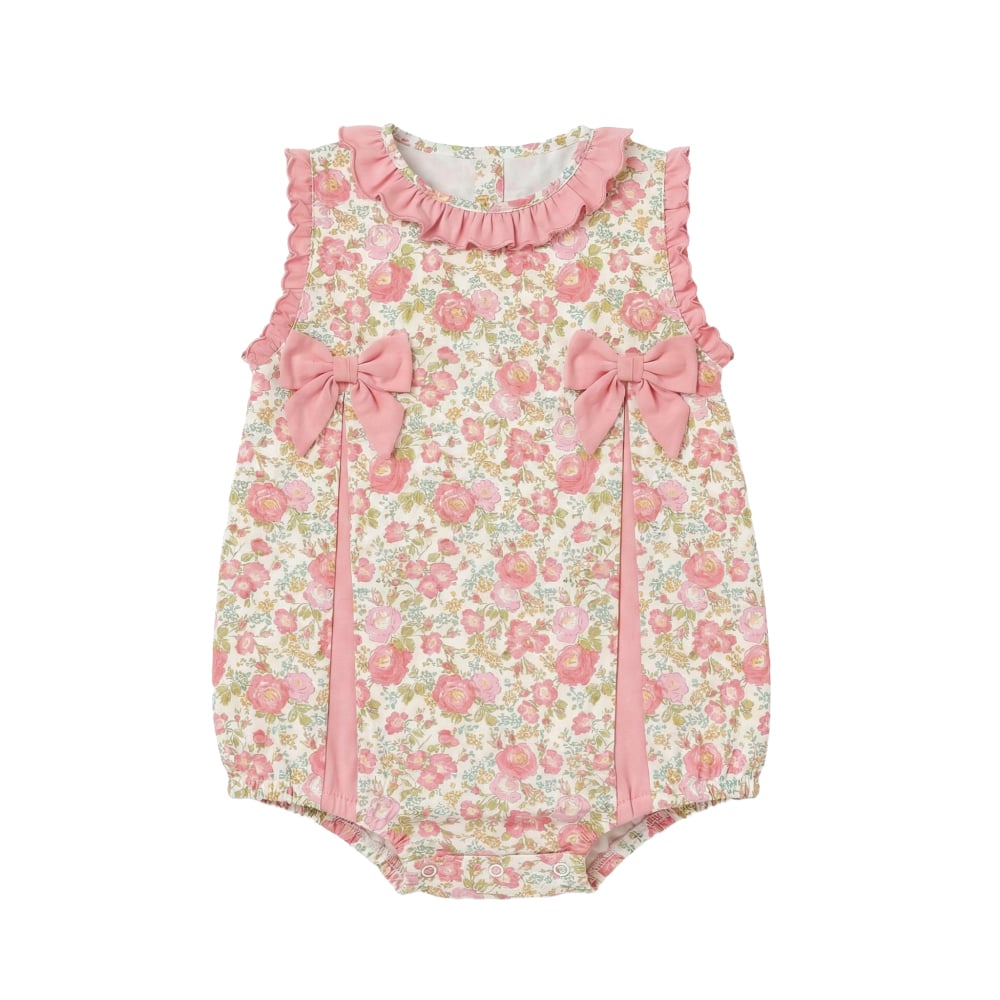
This is why professional buyers often spend as much time examining the trims on baby clothes samples as they do reviewing fabric content sheets. The trims tell a story about the entire production process. A well-constructed baby clothes piece with thoughtfully applied ruffles, clean snap placements, and soft elastic finishes signals a supplier who understands that infant comfort and parent confidence must both be earned through detail.
How Fabric and Trims Together Shape Buyer Confidence
The Combined Sensory Experience of Baby Clothes
Buyers who source baby clothes professionally understand that fabric and trims are not evaluated in isolation. A garment where the fabric is soft but the trims are rough still fails the tactile test. Equally, beautifully finished trims on stiff or scratchy fabric will not meet buyer expectations. It is the combination of a smooth, breathable base fabric with carefully applied, skin-safe trims that creates the overall sensory quality that buyers and parents associate with premium baby clothes. This integrated standard is what separates well-sourced baby clothes from commodity garments.
Repeat Business and Long-Term Sourcing Trust
For wholesale buyers and boutique owners, sourcing baby clothes is a relationship-driven process. When a supplier consistently delivers baby clothes where fabric touch and trim quality match or exceed sample standards, it builds the kind of trust that supports long-term purchasing agreements. Buyers talk to parents, gather feedback from store floors, and track return data. Baby clothes that perform well on fabric feel and trim durability generate fewer complaints and more reorders. In contrast, baby clothes that disappoint on these dimensions rarely get a second sourcing cycle. Fabric and trim quality are therefore not just production details — they are the foundation of sustainable buyer-supplier relationships in the baby clothes market.
FAQ
What fabrics are most preferred by baby clothes buyers?
Buyers typically prioritize soft natural fibers for baby clothes, including 100% cotton, organic cotton, and bamboo blends. These materials offer breathability, moisture absorption, and minimal skin irritation, making them the most trusted fabric choices for infant garments across both retail and boutique channels.
Why do buyers check trims so carefully on baby clothes?
Trims on baby clothes directly contact infant skin, so rough edges, loose attachments, or sharp closures can cause discomfort or injury. Buyers inspect trims as both a safety check and a quality indicator, since well-finished trims reflect a supplier's overall production discipline and reliability across baby clothes collections.
How does fabric touch affect sales of baby clothes?
Fabric touch is a primary in-store and unboxing trigger for baby clothes purchases. When a parent or gift buyer feels immediate softness, it builds confidence in the garment's safety and comfort. Baby clothes with a superior hand feel consistently generate higher conversion rates and stronger customer loyalty compared to garments that feel stiff or synthetic.