
 EN
EN
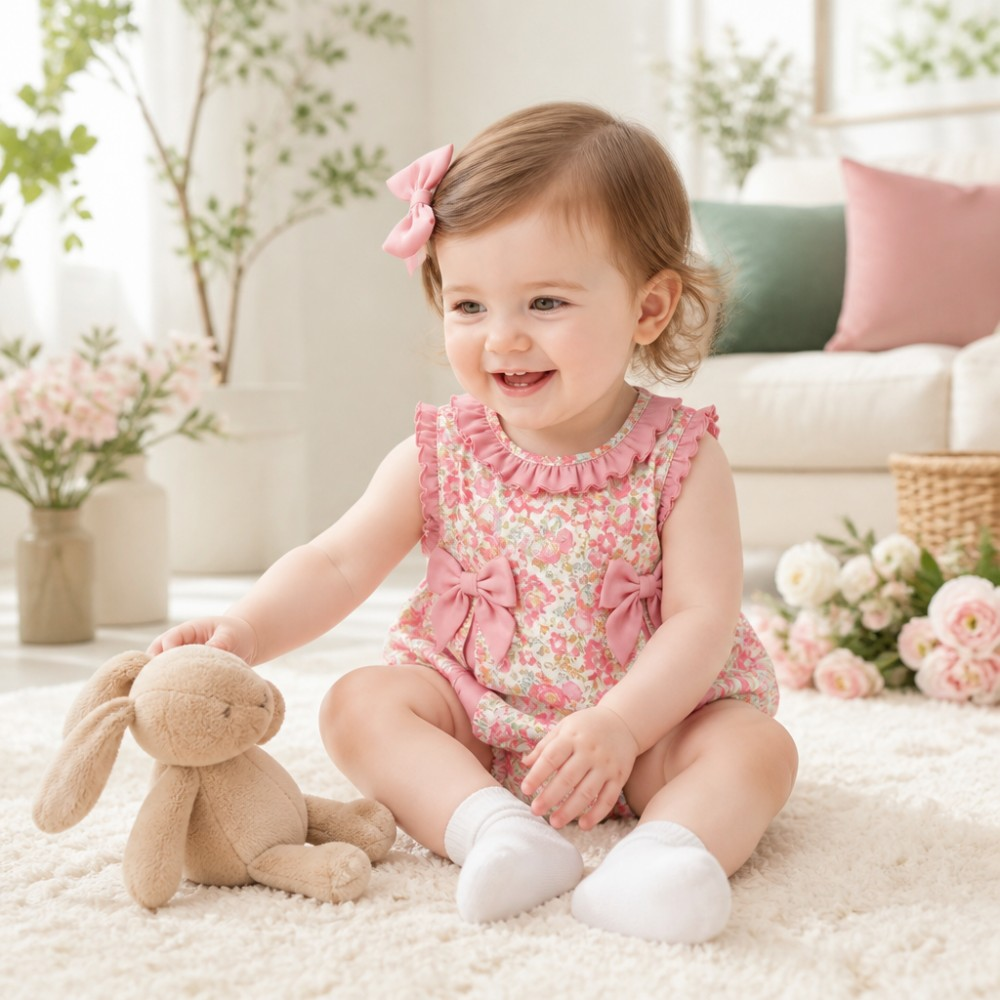
Choosing the right baby clothes is one of the most thoughtful decisions a parent makes in those early months. Baby clothes must do far more than simply look adorable — they need to feel gentle against delicate skin, meet safety standards, and allow caregivers to dress and undress a wriggling infant without struggle. Balancing all three of these qualities in a single garment is the true challenge every parent and buyer faces when shopping for baby clothes.
Baby clothes today come in a remarkable range of styles, fabrics, and constructions. From simple onesies to layered rompers and boutique bodysuits, the variety can feel overwhelming. Yet the core principles remain constant: baby clothes should prioritize comfort, keep babies safe, and make daily dressing routines as effortless as possible. Understanding how these three pillars work together will help parents, gift-givers, and buyers make smarter, more confident choices when selecting baby clothes for any occasion.
Softness That Protects Delicate Baby Skin
Why Fabric Choice Defines Baby Clothes Quality
The first thing to evaluate in baby clothes is fabric quality. A newborn's skin is significantly more sensitive than adult skin, absorbing substances and reacting to friction far more readily. Baby clothes made from harsh or synthetic-heavy fabrics can cause irritation, redness, and discomfort that a baby cannot communicate in words but will certainly express through fussiness. This is why softness is not merely a luxury feature in baby clothes — it is a fundamental requirement that directly affects a baby's wellbeing throughout the day.
Natural fibers such as 100% cotton, organic cotton, and cotton-blend materials are the most widely trusted choices for baby clothes. These fabrics breathe well, regulate temperature, and feel smooth against sensitive skin. Organic cotton baby clothes carry the added benefit of being free from pesticide residues and harsh chemical treatments, which makes them a preferred option for parents who want to minimize skin exposure to irritants. When evaluating baby clothes, always check the fabric label carefully and prioritize materials that are soft to the touch before purchase.
Finishing Details That Affect Comfort in Baby Clothes
Fabric alone does not determine how comfortable baby clothes feel during wear. The finishing details — seams, tags, elastic, and embellishments — can create pressure points and irritation on a baby's skin. Well-designed baby clothes use flat-lock seams or reverse-sewn seam construction to eliminate rough edges that press against the skin. Tagless labeling has become a standard in quality baby clothes, removing a historically common source of neck and back irritation. Even decorative elements like ruffles and embroidery on baby clothes should be inspected to confirm they are soft, securely stitched, and positioned away from direct skin contact zones.
Safety Standards Every Parent Should Expect in Baby Clothes
Construction Features That Prevent Common Hazards
Safety in baby clothes extends well beyond fabric softness. The construction of baby clothes must eliminate potential hazards that could harm a young infant. Loose buttons, decorative snaps, and small embellishments on baby clothes present choking risks if they detach. Drawstrings and long ribbon ties in baby clothes can pose entanglement or strangulation hazards, particularly during sleep. Reputable baby clothes manufacturers follow strict guidelines to avoid these risks, and parents should carefully inspect any baby clothes for these elements before use.
Baby clothes intended for sleepwear carry additional safety expectations. Flame-resistant treatments or snug-fit designs are standard for sleep-specific baby clothes because loose-fitting garments can catch fire more easily. However, for daytime baby clothes, snug fits are not always required, and breathable loose fits may actually be preferable for comfort. Understanding which safety features apply to different types of baby clothes helps parents make informed choices for specific situations, whether dressing for sleep, play, or outdoor outings.
Chemical Safety in Baby Clothes Production
Baby clothes that have been dyed, printed, or treated with chemical finishes must be evaluated carefully. Azo dyes and formaldehyde-based fabric treatments, which are sometimes used in lower-quality baby clothes, can cause skin allergies and irritation in infants. Certifications such as OEKO-TEX Standard 100 signal that baby clothes have been tested for harmful substances and meet safety thresholds appropriate for infant skin. When purchasing baby clothes, especially those with vibrant prints or bright dyes, looking for such certification labels provides an important layer of assurance beyond visual inspection alone.
Design Features That Make Baby Clothes Easy to Put On
Closure Systems That Simplify Dressing Routines
Parents who have tried to dress a restless, squirming infant know that the design of baby clothes can make the experience either manageable or frustrating. Baby clothes with well-placed snap closures along the neckline or crotch allow caregivers to open and close garments quickly without needing to pull fabric over a baby's head unnecessarily. Wide envelope necklines in baby clothes are another practical design solution, allowing the collar to expand and slip easily over a baby's head without force. These thoughtful construction choices in baby clothes reduce the time and discomfort involved in every dressing and changing session.
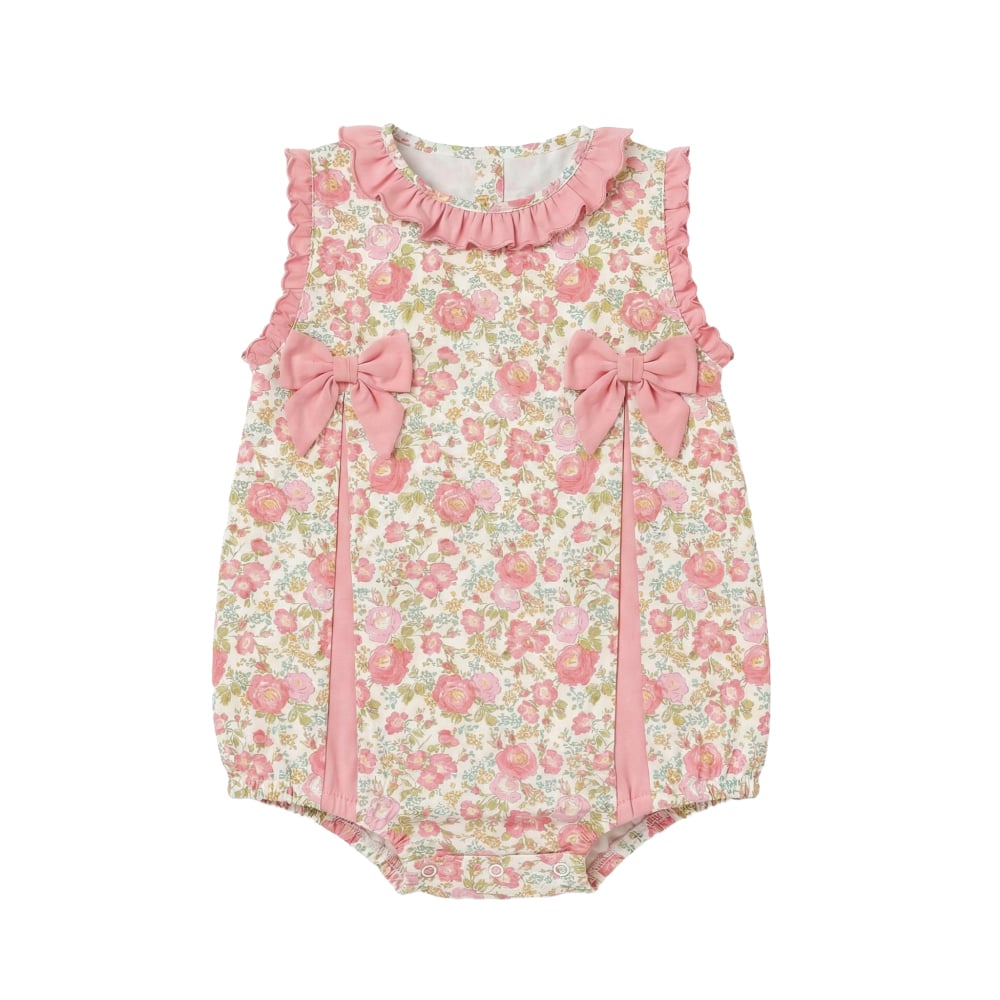
Rompers and bodysuit-style baby clothes are particularly efficient for daily wear because they combine upper and lower coverage in a single garment. This means fewer pieces of baby clothes to manage simultaneously while keeping the baby comfortable and secure. Snap closures at the crotch of romper-style baby clothes also allow for diaper checks and changes without requiring full removal of the outfit, which saves significant time during a busy day. Choosing baby clothes with these functional details supports both caregiver convenience and baby comfort in an integrated way.
Sizing and Fit Considerations in Baby Clothes
Correct sizing plays a critical role in how well baby clothes perform across all three dimensions of softness, safety, and easy dressing. Baby clothes that are too tight restrict movement and create pressure on sensitive skin, while baby clothes that are too loose may bunch up, interfere with movement, or create fabric hazards during sleep. Many experienced parents recommend sizing baby clothes slightly generously since infants grow rapidly and a little extra room ensures baby clothes remain wearable for a longer period. Checking the weight and height guidelines on baby clothes sizing charts rather than relying solely on age labels gives a more accurate fit for individual babies.
FAQ
What fabric is best for baby clothes?
Soft natural fibers, especially 100% cotton and organic cotton, are widely considered the best choice for baby clothes. These fabrics are breathable, gentle on sensitive skin, and free from the synthetic roughness that can cause irritation. Organic cotton baby clothes also avoid chemical residues, making them a popular choice for parents focused on skin safety.
How do I know if baby clothes are safe for my newborn?
When assessing the safety of baby clothes, check for secure stitching on all embellishments, the absence of drawstrings and small detachable parts, and certification labels such as OEKO-TEX that confirm chemical safety testing. Well-constructed baby clothes with flat seams and tagless labeling further reduce skin irritation risks for newborns.
What design features make baby clothes easier to put on?
Baby clothes with wide envelope necklines, snap closures along the crotch and shoulder seams, and stretchy ribbed openings are the easiest to put on and remove. Romper-style baby clothes are especially practical because they combine top and bottom coverage in one piece, reducing the number of separate garments a caregiver needs to manage during dressing and diaper changes.