
 EN

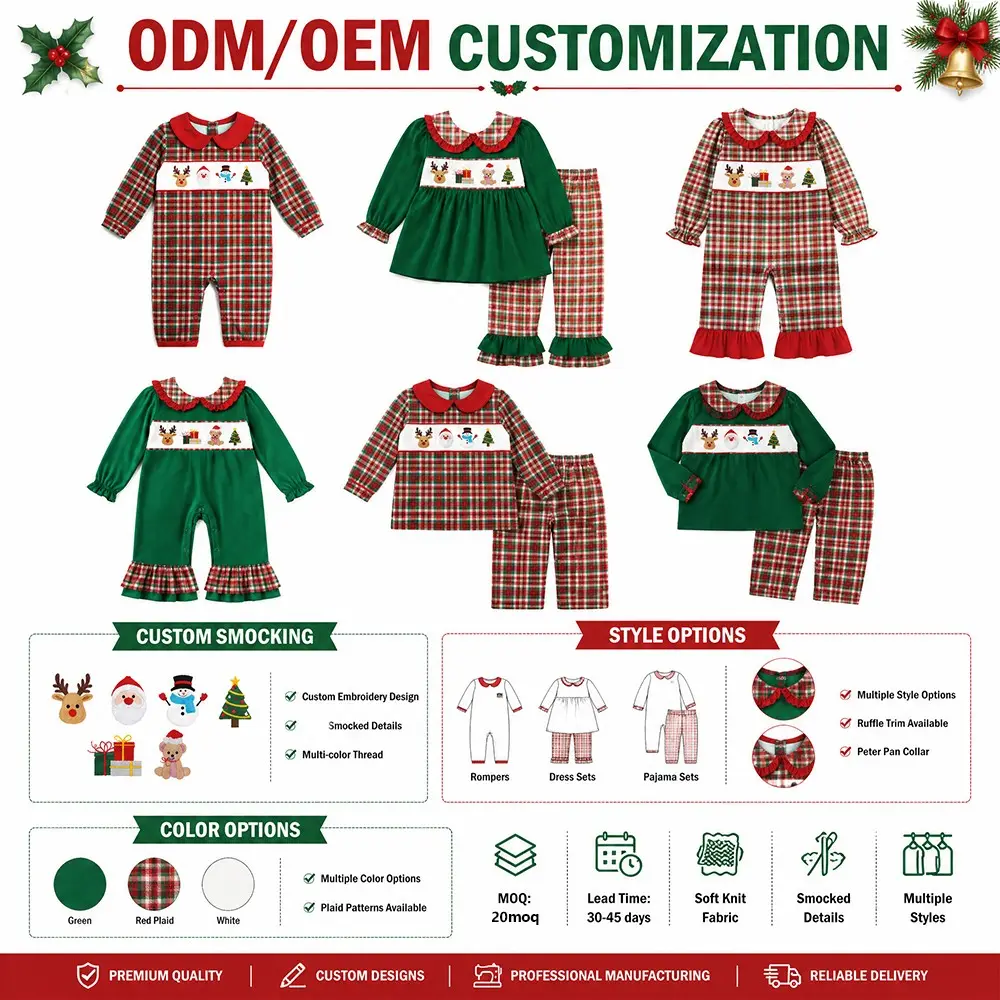
For children with sensitive skin, the seam construction in girl sleepwear can make a noticeable difference to comfort overnight. The most helpful designs reduce raised edges, rough thread, and repeated rubbing against the body. Flat, soft seams are a strong starting point, but their value depends on where they sit, how they are finished, and whether the garment fits without pulling. Knowing what to inspect helps caregivers choose girl sleepwear with fewer likely friction points.
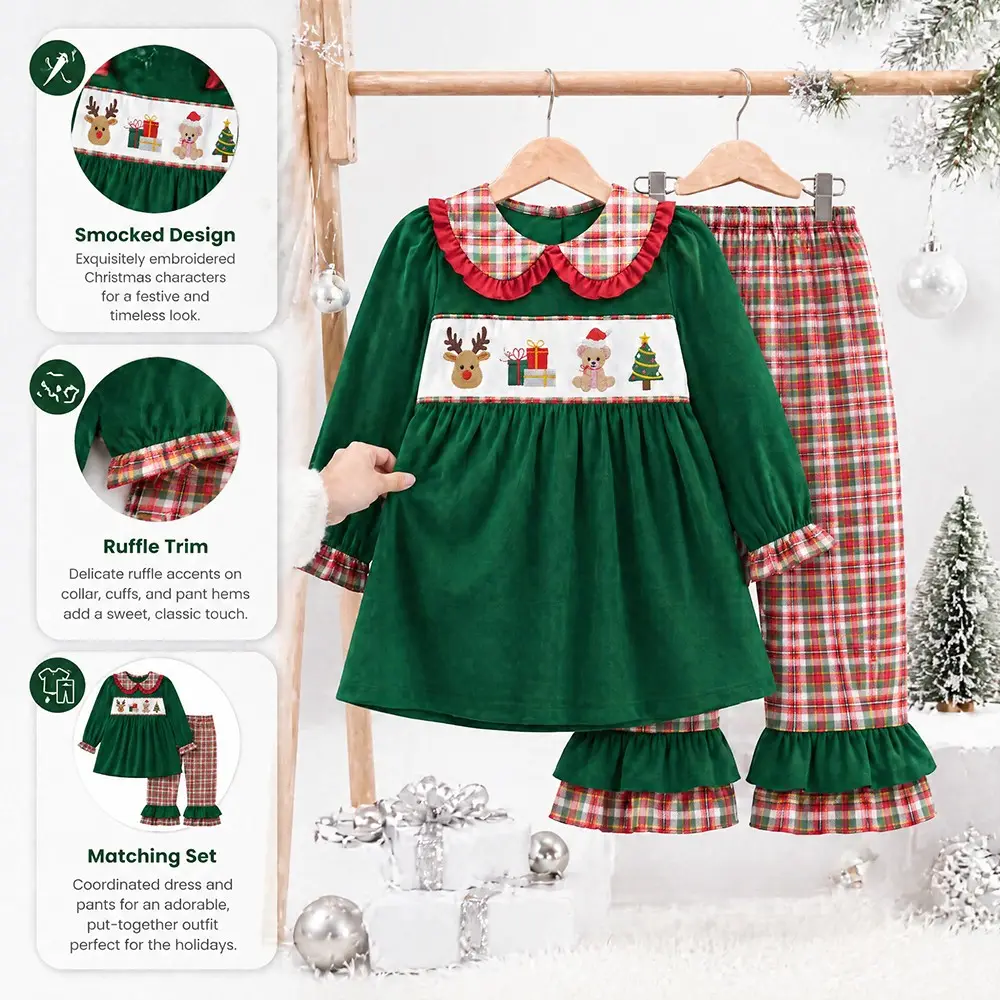
A practical review begins inside the garment, not with appearance alone. Turn girl sleepwear inside out and examine shoulder joins, side seams, sleeve openings, waistbands, and leg openings. Look for smooth seam allowances, secure but unobtrusive stitching, and labels that will not scratch. Construction cannot prevent every skin reaction, yet a thoughtfully made seam can limit mechanical irritation while a child changes position, stretches, or sleeps.
Seam constructions that reduce rubbing
Flat seams and low-profile stitching
Flat seams are useful in girl sleepwear because they minimize the ridge created when fabric edges overlap. Depending on the sewing method, the seam can lie close to the fabric surface instead of forming a bulky line against the skin. This matters at the shoulders and sides, where pressure from a mattress or repeated arm movement may amplify friction. Check that the stitching itself feels smooth, since a flat shape does not guarantee soft thread.
A well-finished seam should feel even when a hand is moved across it in both directions. For girl sleepwear, inspect the inside as well as the outside: loose loops, stiff thread tails, and exposed raw edges can rub even when the outer stitching looks neat. Soft, low-profile construction is especially relevant for children who spend long periods in pajamas before bed or after waking. It is a comfort feature, not a substitute for evaluating the whole garment.
Enclosed edges and soft seam allowances
An enclosed seam traps cut fabric edges inside the seam finish, reducing direct contact with fraying or scratchy edges. In girl sleepwear, this approach can be helpful at joins that otherwise expose several fabric layers. The finish should remain flexible rather than rigid, because a firm band of stitching can create its own pressure line. Gently feel the seam and flex it; comfortable construction should bend with the garment instead of resisting movement.
Not every enclosed finish is automatically gentle. A thick folded edge may feel bulky on a slim child, and dense stitching can become abrasive if it sits beneath an arm or along the waist. When assessing girl sleepwear, compare the seam's thickness with the surrounding fabric and consider where it will rest against the body. A narrow, soft finish often works better than a wide, stiff allowance, particularly in areas that crease during sleep.
Placement and fit around sensitive areas
Position seams away from pressure points
Even smooth seams can irritate if placed where the body presses against a mattress or where skin repeatedly folds. For girl sleepwear, check whether side seams run directly under the arm, whether shoulder joins sit beneath a strap or sleeping position, and whether leg seams twist toward the inner thigh. Seam placement should allow a child to bend and roll without a stitch line digging into a high-contact area.
Design details can shift the pressure pattern. A garment with strategically placed joins may keep seams away from the underarm or inner leg, while a poorly aligned seam may migrate as the child moves. Examine girl sleepwear while it is worn, not only flat on a table. Ask whether the child feels a rough line when reaching overhead, sitting, or lying on their side. Those simple checks reveal practical friction risks that a product photo may not show.
Choose a fit that does not pull or bunch
A seam's comfort depends partly on fit. If girl sleepwear is too tight, seams can stretch, press into skin, or place extra tension on thread and fabric joins. If it is excessively loose, fabric may bunch and rub repeatedly. Aim for enough room to move without excess material collecting at the waist, underarms, or legs. Review sizing guidance and consider the child's current measurements rather than relying only on age labels.
Waistbands and cuffs deserve special attention because they can hold fabric in place while the child moves. In girl sleepwear, a soft, covered elastic channel can reduce direct contact with elastic strands, but it should not leave marks or cause discomfort. Check that hems lie smoothly and that leg openings do not grip. A gentle fit helps seams stay in their intended position, making soft construction more effective through a full night.
Inspection and care for lasting comfort
Assess stitching, labels, and fabric interaction
Before wearing a new set, run your fingers along every inside seam and check for knots, rough thread ends, or uneven sections. With girl sleepwear, also inspect printed labels, decorative patches, and closures because they can create friction near otherwise smooth seams. Remove or cover a bothersome label only if the garment's care instructions and construction allow it. If irritation appears repeatedly in one location, note the position and compare it with the garment's seam layout.
Fabric and seam construction work together. A soft, flexible textile may move comfortably, while a stiff fabric can pull at joins and make stitching more noticeable. When comparing girl sleepwear, consider whether the material feels smooth after washing and whether seams retain flexibility. For example, a soft textile such as bamboo viscose may have a fluid hand, but comfort still depends on the individual garment's stitching, fit, and finishing. No fiber or seam type suits every child.
Maintain smooth finishes and respond to irritation
Care practices can affect how seams feel over time. Follow the garment's washing instructions, use a suitable detergent, and avoid care choices that leave residue or make fabric feel stiff. After laundering girl sleepwear, check that seams have not twisted, puckered, or developed loose threads. A finish that felt smooth when new may become rough if stitching wears or fabric shrinks unevenly, so occasional inspection is worthwhile.
If a child reports discomfort, change one factor at a time where practical: try a different seam placement, looser fit, or smoother finish, and observe whether the rubbing eases. Girl sleepwear is only one possible contributor; dry skin, detergent sensitivity, and other causes may also matter. Persistent, painful, or worsening irritation should be discussed with a qualified healthcare professional. Garment adjustments can reduce friction, but they do not diagnose or treat a skin condition.
For a style example to inspect for its fabric and construction details, view girl sleepwear. Use the same practical checks on any garment: feel the inside seams, assess where they sit, and see whether the fit allows comfortable movement. These observations are more useful than relying on a broad comfort label alone, because seam quality and sensitivity vary from child to child.
FAQ
Which seam type is usually most comfortable for sensitive skin?
Flat, low-profile seams with soft stitching are often a sensible starting point because they reduce raised edges. In girl sleepwear, an enclosed finish may also help by keeping cut fabric edges away from skin. Feel the garment directly, since the thread, seam thickness, placement, and the child's response all affect comfort.
Can seam placement matter as much as seam type?
Yes. A smooth seam can still rub if it lies beneath an arm, along an inner thigh, or at another pressure point. Check girl sleepwear while the child moves and rests, and look for seams that twist or press into skin. Placement and fit work together to limit friction.
What should I do if pajamas still cause irritation?
Stop using the garment if it appears to trigger discomfort, then inspect seams, labels, fit, and laundering residue. Try a different construction or fit if appropriate, and monitor the result. If irritation persists, becomes painful, or worsens, seek advice from a healthcare professional rather than assuming girl sleepwear is the only cause.