
 EN

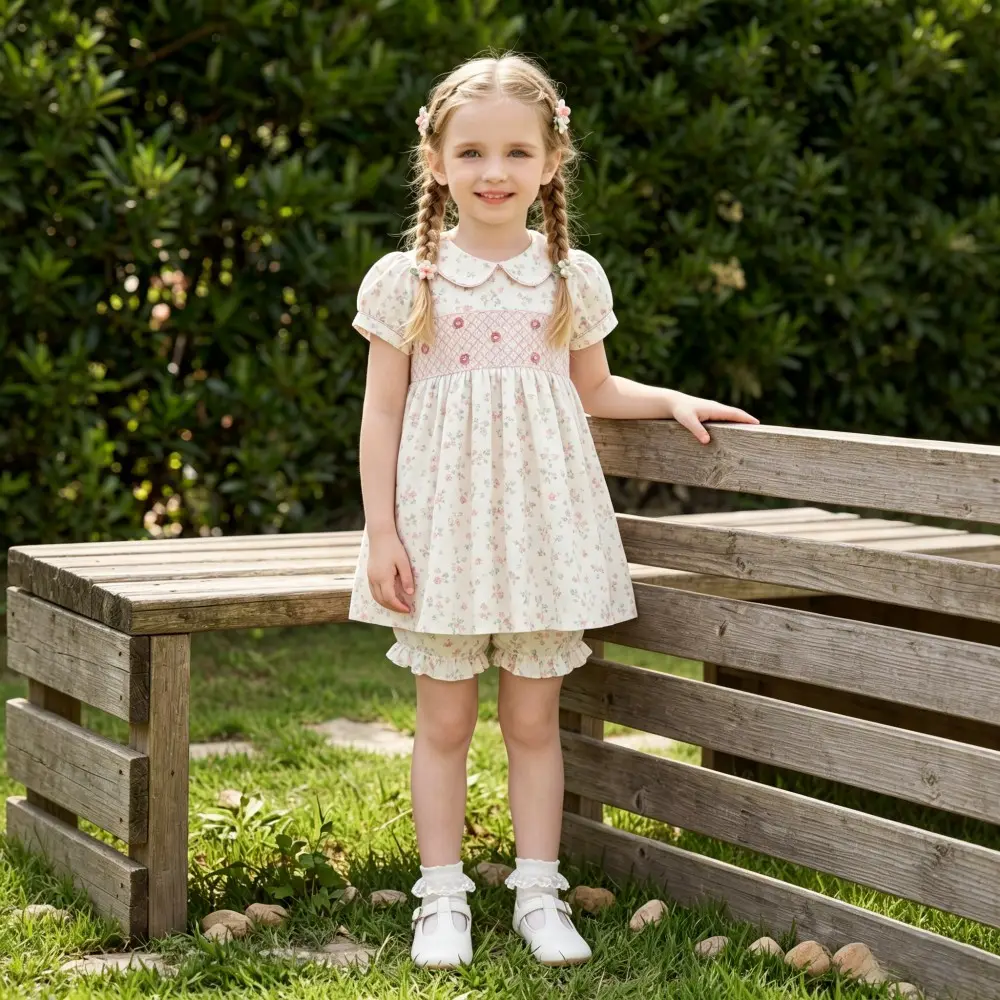
Retail success in the children's apparel sector increasingly depends on the specific details that elevate kids clothes beyond mass-market commodities. Boutique and independent retailers competing against large chains must understand which design elements, quality markers, and customization options resonate with parents seeking unique, thoughtfully crafted pieces. The distinction between generic kids clothes and standout pieces often lies in subtle but meaningful features that justify premium pricing and build customer loyalty.
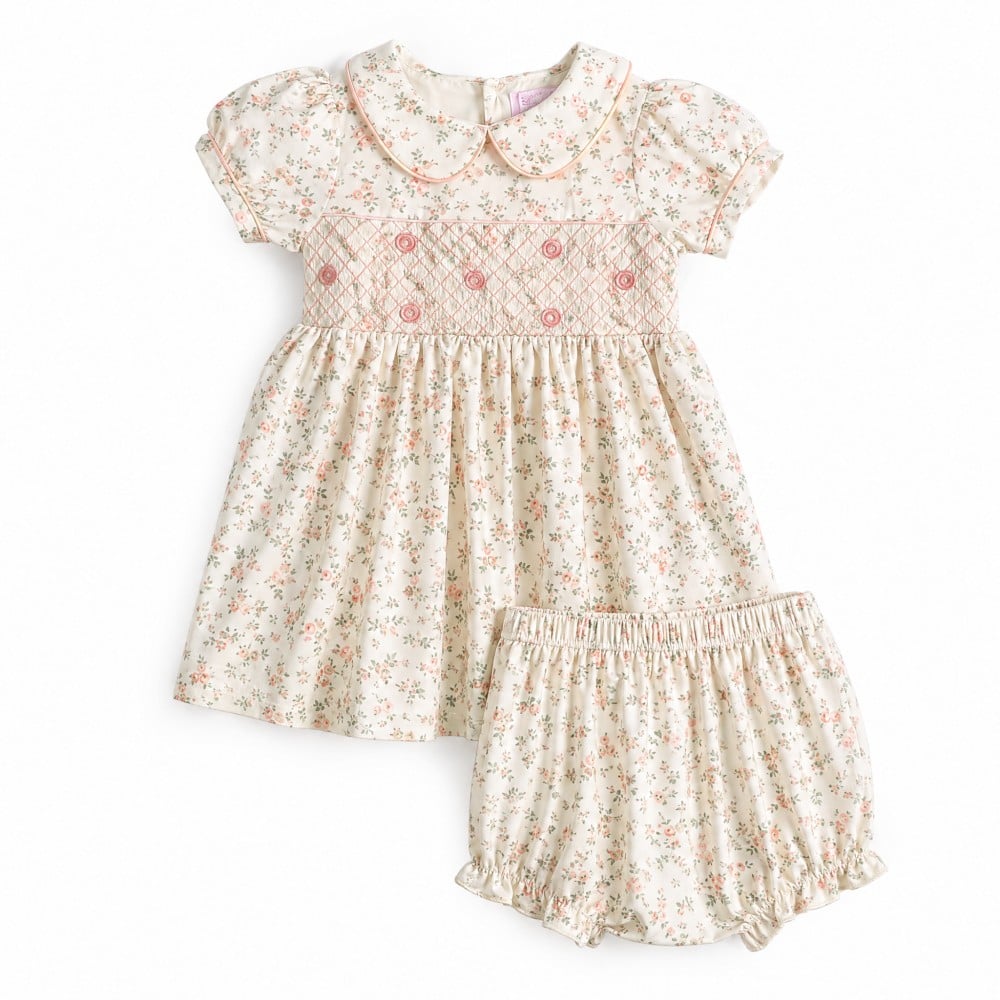
Parents today invest in kids clothes that reflect their values around durability, aesthetics, and individuality. Mass-market retailers prioritize volume and affordability, leaving space for differentiated kids clothes offerings that emphasize craftsmanship, heritage details, and personalization options. Understanding which specific details transform ordinary kids clothes into retail destinations allows boutique owners and specialty retailers to build competitive advantage.
Signature Fabric and Construction Details
Premium Material Selection and Finishing
The foundation of standout kids clothes begins with fabric choice and construction techniques that exceed standard retail expectations. Hand-selected organic cotton, linen blends, and heritage weaves elevate kids clothes beyond typical polyester and low-grade cotton offerings found in mass markets. Double-stitching, reinforced seams, and finished hems signal durability and care, making kids clothes that parents recognize as investment pieces rather than disposable garments.
Boutique retailers emphasize that quality kids clothes retain color, shape, and integrity through multiple wash cycles, reducing replacement frequency and justifying premium positioning. Fabric weight, breathability, and tactile quality become talking points that differentiate kids clothes in customer conversations. When parents touch and feel genuinely superior materials in kids clothes, they understand the value proposition immediately and share recommendations within their networks.
Heritage Techniques and Artisanal Finishing
Hand-smocking, embroidery, and appliqué work represent traditional techniques that transform basic kids clothes into recognizable signature pieces. These labor-intensive details on kids clothes cannot be easily replicated at mass-market price points, creating natural differentiation. Retailers offering kids clothes with hand-finished details attract customers seeking heirloom-quality pieces that can be passed to siblings or preserved in family collections.
Artisanal finishing on kids clothes also allows retailers to tell compelling brand stories about craftspeople, regional traditions, or design inspiration. When customers understand the human effort behind kids clothes details, they connect emotionally to products and develop brand loyalty that transcends price sensitivity.
Customization and Personalization Options
Made-to-Order and Bespoke Services
Customizable kids clothes represent one of the most powerful differentiation strategies available to boutique retailers. Offering personalized monograms, name embroidery, or custom color combinations on kids clothes creates uniqueness that mass retailers cannot match at comparable price points. Parents willingly pay premium prices for one-of-a-kind kids clothes that reflect their child's personality or family preferences.
Made-to-order kids clothes services allow retailers to reduce inventory risk while delivering precisely what customers want. Whether adjusting sleeve lengths, selecting fabric combinations, or adding custom details, personalized kids clothes experiences transform transactions into memorable brand interactions. Boutique retailers offering this service level report stronger customer retention and higher average order values than those selling static kids clothes collections.
Seasonal Limited Editions and Exclusive Designs
Limited-edition kids clothes collections create urgency and exclusivity that differentiate boutique offerings from mass-produced alternatives. When retailers develop seasonal kids clothes with design elements not available elsewhere, they attract customers seeking distinctive wardrobes for their children. Exclusivity transforms kids clothes shopping from commodity purchasing into collection-building behavior.
Collaboration with independent designers or local artists to create exclusive kids clothes collections strengthens community ties and brand identity. Customers remember and recommend retailers offering unique kids clothes stories and designer partnerships that mass retailers cannot replicate. This approach makes kids clothes a lifestyle choice rather than a necessity purchase.
Size Inclusivity and Functional Design Innovation
Extended Size Ranges and Fit Optimization
Boutique retailers offering extended size ranges in kids clothes serve customers underserved by mass-market standardized sizing. Kids clothes designed for various body types, proportions, and growth patterns demonstrate customer-centric thinking that parents deeply appreciate. When retailers provide kids clothes sizes from preemie through size sixteen with thoughtful fit adjustments, they capture market segments where mass retailers show indifference.
Detailed size guides, fit descriptions, and honest fabric behavior information on kids clothes help customers select correctly and reduce returns. Retailers who provide this transparency build trust and encourage repeat purchases of kids clothes without the frustration of sizing guesswork.
Functional Features and Grow-With-Me Design
Kids clothes incorporating functional details like adjustable waistbands, convertible length options, or expandable sizing appeal to parents seeking long-wearing pieces. Garments designed with growth room and adaptable features keep kids clothes wearable across developmental stages, increasing value perception. Retailers highlighting functional innovation in kids clothes demonstrate they understand parenting economics and child development realities.
Features like reinforced play areas, stain-resistant treatments, or easy-care fabrics address practical parenting needs that inform kids clothes selection. When boutique retailers design kids clothes with function and durability equal to aesthetics, they attract performance-conscious parents who value substance alongside style.
FAQ
What specific kids clothes details drive customer loyalty in boutique retail?
Customers develop deep loyalty to kids clothes retailers offering personalization, heritage craftsmanship, and quality that mass markets lack. Monogramming, artisanal finishing, and made-to-order services transform kids clothes into meaningful, individual pieces. When retailers combine superior materials with customization options and compelling brand stories, kids clothes become emotional purchases tied to family memories rather than commodity transactions.
How can small retailers make kids clothes competitive without competing on price?
Small retailers compete effectively in kids clothes by emphasizing design exclusivity, superior construction, and personalized service that mass retailers cannot affordably offer. Limited-edition kids clothes, artisanal details, and thoughtful curation create value beyond price. Building community relationships and telling authentic brand stories around kids clothes helps boutiques attract customers prioritizing uniqueness and quality over lowest cost.
Why do parents choose specialty kids clothes over mass-market options?
Parents select specialty kids clothes for durability, aesthetic distinctiveness, and values alignment unavailable in mass-market alternatives. Boutique kids clothes often reflect environmental consciousness, ethical production, and support for small businesses. When kids clothes pieces become heirloom-quality or offer personalization connecting to family identity, parents view them as investments in their children's wardrobes rather than temporary purchases to replace frequently.