
 EN
EN

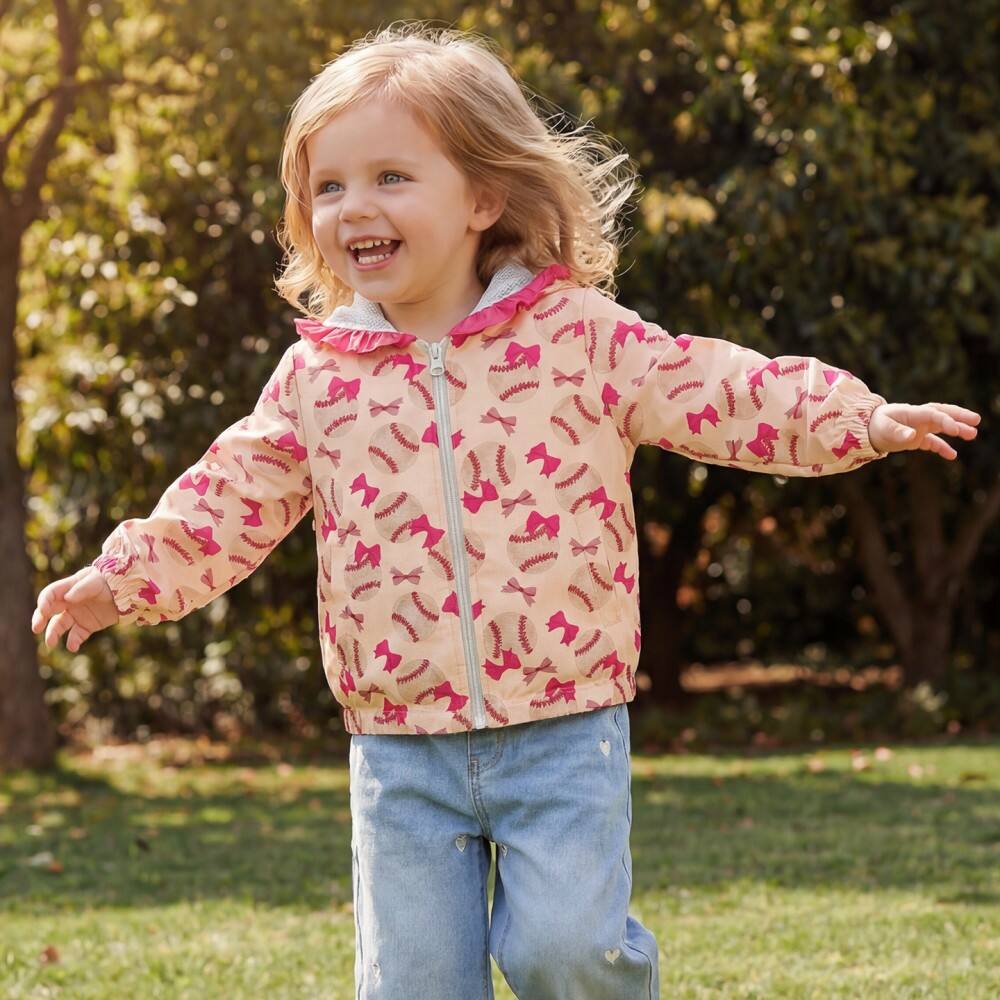
For growing apparel brands and retailers, managing design cycles and supply chains simultaneously is one of the most demanding challenges in the industry. OEM children's clothing offers a structured, reliable solution that directly reduces the pressure placed on in-house teams. When brands partner with experienced OEM manufacturers, they gain access to ready-made production infrastructure, design support, and material sourcing networks that would otherwise take years to build independently. The result is a streamlined operation where creative and commercial goals align without overwhelming internal resources.
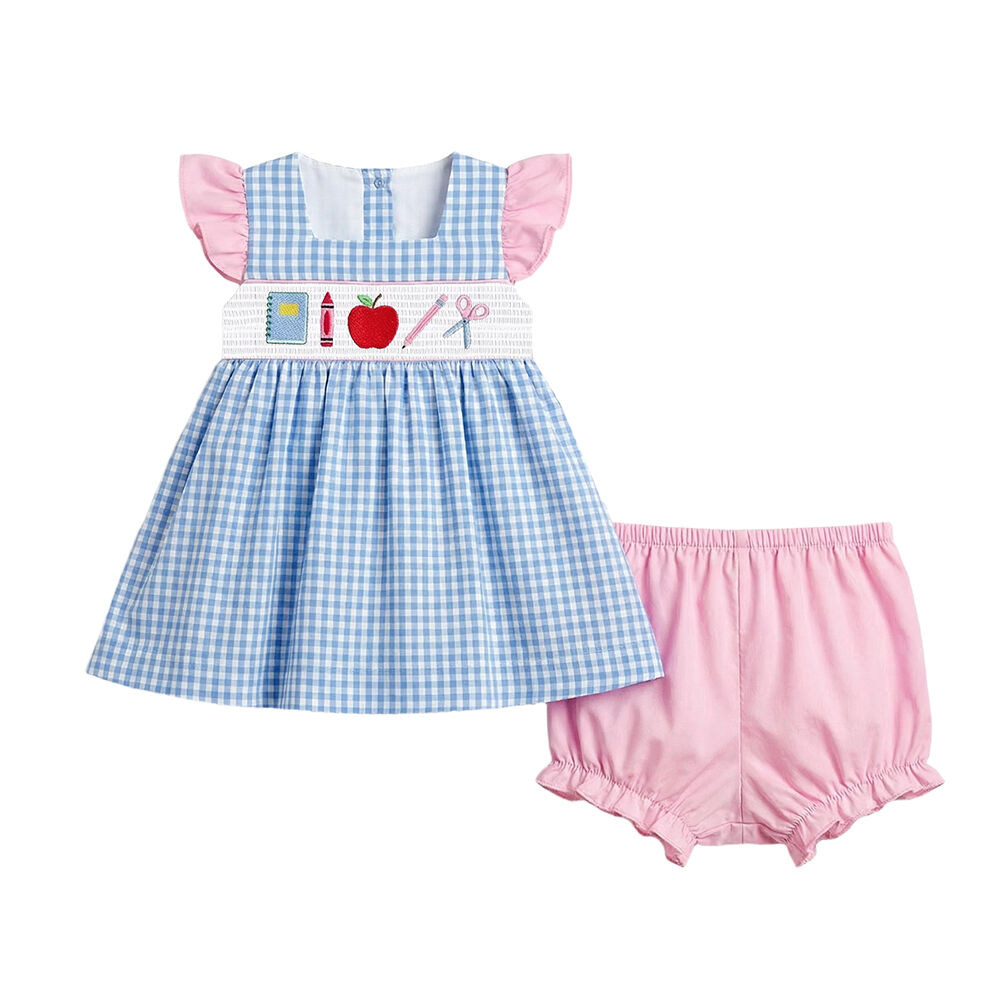
OEM children's clothing partnerships are especially valuable for brands targeting seasonal or school-related collections. Items such as smocked girls bloomers short sets demand precise craftsmanship, consistent sizing, and trend-aligned styling — all of which require significant coordination if managed in-house. OEM children's clothing manufacturers handle these complexities by integrating design guidance, fabric selection, and production scheduling into a single unified process. This guide explores exactly how OEM children's clothing reduces design and sourcing pressure across every stage of development.
How OEM Children's Clothing Eases the Design Burden
Built-In Design Support and Technical Expertise
One of the clearest benefits of OEM children's clothing is immediate access to technical design expertise. OEM children's clothing factories employ pattern makers, sample developers, and trend analysts who understand the unique demands of childrenswear — from safety compliance to age-appropriate proportions. Rather than hiring and managing an entire in-house design team, brands working with OEM children's clothing partners can submit a concept or reference image and receive a refined, production-ready sample in return. This accelerates the design validation process and dramatically lowers the cost of getting a collection to market. OEM children's clothing manufacturers also maintain libraries of proven construction methods, reducing the trial-and-error that often delays small and mid-sized brands. Every design iteration benefits from factory-side knowledge that has been refined across hundreds of production runs.
Flexible Customization Without Structural Complexity
OEM children's clothing programs typically offer modular customization options, allowing brands to adjust colors, embroidery styles, fabric weights, and trims without rebuilding a design from scratch. For a back-to-school collection featuring smocked details or coordinated sets, OEM children's clothing suppliers can apply a brand's unique aesthetic to an existing, structurally tested base design. This flexibility means brands can differentiate their product line without bearing the full burden of original pattern development. OEM children's clothing customization also supports private labeling, ensuring each item carries the brand's identity while benefiting from the manufacturer's production efficiency. The combination of customization and standardization is what makes OEM children's clothing a practical engine for brands managing multiple seasonal drops.
How OEM Children's Clothing Simplifies Sourcing
Consolidated Material and Vendor Management
Sourcing fabric, trims, elastic, thread, and labels from separate vendors is time-consuming and often unpredictable. OEM children's clothing manufacturers consolidate this process by maintaining established relationships with raw material suppliers. When a brand orders OEM children's clothing, the factory handles procurement, quality checks on incoming materials, and vendor communication on the brand's behalf. This removes a significant administrative layer from the buyer's responsibilities. OEM children's clothing sourcing networks are also typically larger and better negotiated than what a small or mid-sized brand can access independently, which translates into more consistent material quality and more predictable lead times. Brands that switch to OEM children's clothing production often report meaningful reductions in sourcing-related delays and material inconsistencies.
Reduced Risk Through Established Production Channels
OEM children's clothing manufacturers operate within tested production systems that have been refined across many client orders. This means quality control checkpoints, compliance documentation, and shipping logistics are already embedded in the workflow. For brands new to childrenswear sourcing, OEM children's clothing partnerships reduce exposure to unfamiliar regulatory requirements such as fabric safety certifications and care label standards. Experienced OEM children's clothing factories guide clients through these compliance needs as part of the standard service, preventing costly recalls or shipment rejections. By working within an established OEM children's clothing supply chain, brands inherit the infrastructure without inheriting the setup costs or learning curve.
Strategic Value of OEM Children's Clothing for Scaling Brands
Faster Market Entry and Seasonal Responsiveness
Speed to market is critical in children's apparel, where back-to-school windows, holiday peaks, and seasonal trend cycles move quickly. OEM children's clothing enables brands to respond to these windows with confidence because design-to-production timelines are compressed by factory-side efficiencies. A brand planning a smocked girls bloomers short set for the back-to-school season can finalize design, approve samples, and confirm production within a far shorter lead time using OEM children's clothing than if managing the equivalent process internally. OEM children's clothing manufacturers also support repeat orders and restocking with lower minimums and faster turnaround compared to building production capacity from scratch. This responsiveness gives scaling brands a genuine competitive advantage without proportionally increasing overhead.
Long-Term Cost Efficiency Through OEM Partnership
Over time, consistent OEM children's clothing partnerships reduce per-unit costs through accumulated production familiarity and volume pricing. As a manufacturer gains deeper knowledge of a brand's standards and preferences, fewer revision rounds are needed, reducing both time and cost per style. OEM children's clothing also allows brands to allocate more budget toward marketing, retail development, and customer experience rather than absorbing high design and sourcing overhead. The financial discipline that OEM children's clothing enables is especially valuable for brands growing from wholesale into direct retail or expanding into new demographic segments. With production pressure handled by a capable OEM children's clothing partner, brand teams can focus on storytelling, channel development, and product positioning.
FAQ
What types of brands benefit most from OEM children's clothing?
Brands at every stage can benefit, but OEM children's clothing is especially valuable for small to mid-sized labels that lack large in-house design or sourcing teams. It is also highly useful for wholesale buyers and private label retailers who need consistent quality across seasonal collections. OEM children's clothing gives these brands access to manufacturing expertise without requiring major internal investment.
How much design input can a brand provide in an OEM children's clothing program?
In a typical OEM children's clothing program, brands retain significant design input. They can specify fabrics, colors, embellishments, fits, sizing standards, and labeling details. The OEM children's clothing manufacturer translates these specifications into production-ready samples and adjusts based on feedback. The level of customization available through OEM children's clothing varies by factory, but most experienced manufacturers accommodate detailed brand requirements.
Is OEM children's clothing suitable for compliance-sensitive markets?
Yes. Reputable OEM children's clothing manufacturers are familiar with international safety and labeling standards for childrenswear. They assist brands with fabric certification, flammability compliance, and care label requirements. When sourcing OEM children's clothing for markets with strict regulatory standards, it is important to confirm the factory's compliance track record and request relevant certification documentation before placing orders.