
 EN
EN

Boutique owners face a unique challenge when stocking kids clothes: how do you appeal to families with toddlers, early elementary shoppers, and older children all at once? The answer lies in understanding which kids clothes styles transcend age barriers and resonate with parents across multiple demographics. By selecting the right combination of timeless designs, versatile fits, and quality materials, boutiques can create a kids clothes inventory that speaks to a broader audience and drives consistent sales across all age segments.
The most successful boutiques understand that kids clothes selection isn't simply about choosing cute designs—it's about recognizing which styles naturally appeal across different parent mindsets and age ranges. When boutiques invest in kids clothes that combine classic aesthetics with modern comfort, they create products that parents of newborns, toddlers, and school-age children all want to purchase. This strategic approach to kids clothes merchandising directly impacts footfall frequency, average transaction value, and customer lifetime value.
Classic and Heirloom-Inspired Kids Clothes Styles
Timeless Design Elements That Span Generations
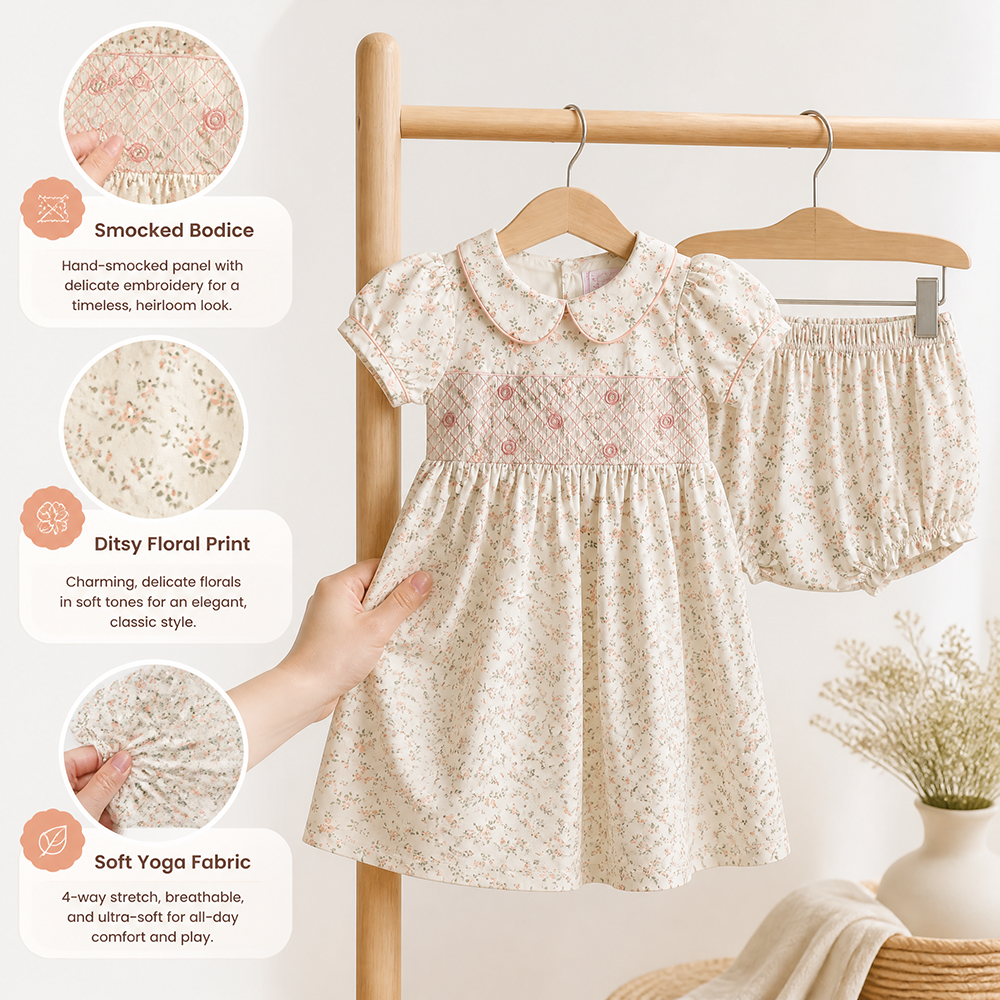
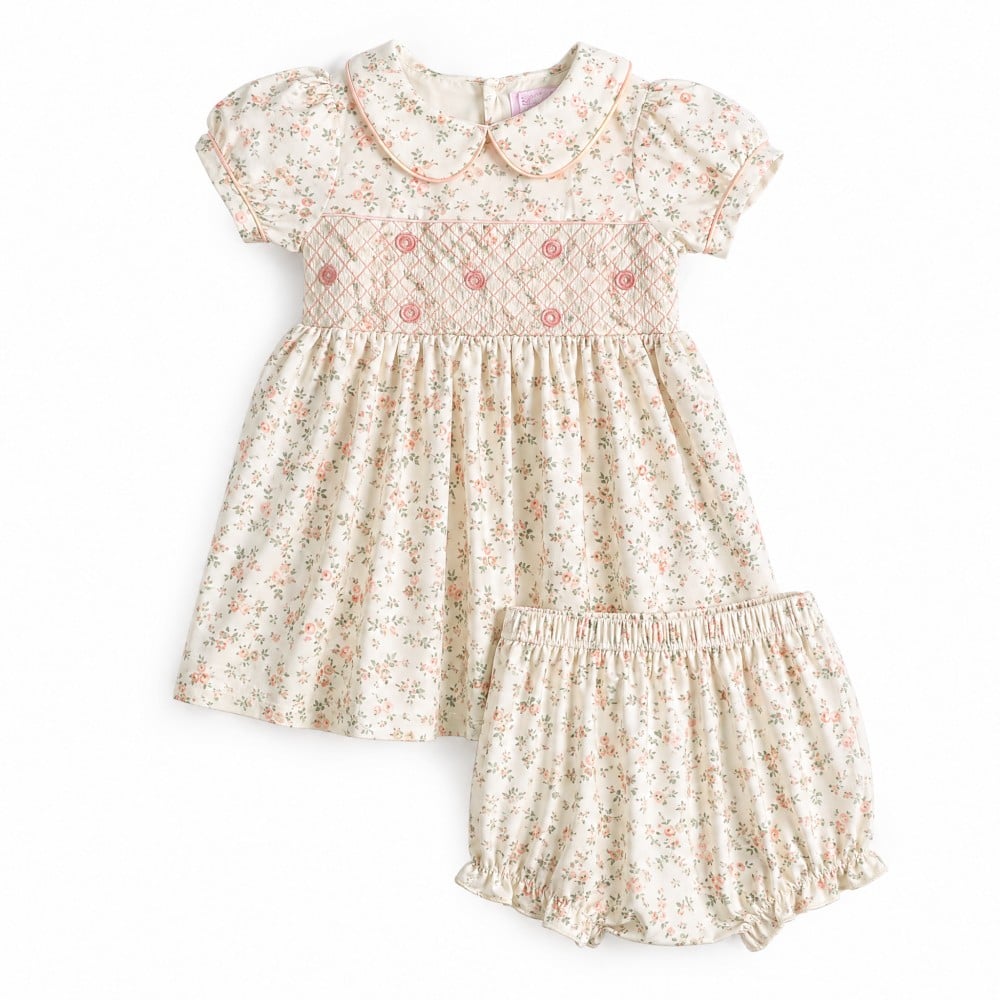
Heirloom-quality kids clothes remain one of the strongest performers across age demographics. These kids clothes designs often feature smocked details, delicate embroidery, button-front closures, and soft natural fabrics that appeal to parents seeking pieces with lasting value. Parents of toddlers view these kids clothes as worthy investments because they can be preserved for younger siblings or future children. Meanwhile, parents shopping for older kids appreciate the sophistication and durability these kids clothes styles offer.
The key to success with heirloom kids clothes is ensuring the designs work proportionally at different sizes. A smocked bodice that looks charming on a two-year-old can still look elegant and age-appropriate when scaled to fit an eight-year-old, provided the hemlines and sleeve lengths are properly adjusted. This scalability makes heirloom-inspired kids clothes a valuable inventory choice that keeps shoppers returning across multiple years of their child's development.
Fabric and Embellishment Strategies
Quality fabrics are the foundation of kids clothes that sell across age groups. Breathable cotton, linen blends, and organic materials convey care and durability—qualities parents prioritize regardless of their child's age. When selecting kids clothes, boutiques should prioritize natural fibers that feel substantial and wash beautifully, as these qualities drive word-of-mouth recommendations that attract new multi-age shoppers.
Embellishments on kids clothes must balance visual interest with practicality. Decorative elements like Peter Pan collars, puffed sleeves, and hand-embroidered details add sophistication to kids clothes without requiring elaborate care instructions. Parents of toddlers want kids clothes that can withstand frequent washing, while parents of school-age children value pieces that maintain their appearance through a full academic year. Kids clothes with strategically chosen embellishments satisfy both needs simultaneously.
Versatile Silhouettes That Adapt to Multiple Age Groups
Size-Inclusive Fit Principles for Kids Clothes
One of the most overlooked factors in selecting kids clothes for multi-age appeal is fit philosophy. Kids clothes designed with proportion-neutral silhouettes—such as relaxed A-line dresses, straight-leg trousers, and loose-fitting tunics—work across different body types and growth stages. A simple A-line dress in kids clothes styling looks age-appropriate whether sized for a three-year-old or a ten-year-old because the silhouette doesn't depend on form-fitting trends that signal a specific age.
Boutiques that stock kids clothes with adjustable or layering-friendly designs unlock additional sales opportunities. Pieces like oversized cardigans, structured vests, and tunic-style kids clothes allow parents to customize fit and style through layering, extending the wearable lifespan of each piece. This versatility in kids clothes directly appeals to budget-conscious parents shopping across multiple children or age groups.
Color and Pattern Strategies for Broad Appeal
The color palette of your kids clothes inventory significantly impacts cross-age appeal. Neutral backgrounds with timeless patterns—such as subtle florals, gingham, stripes, and classic plaids—appeal to parents across all shopping demographics. Kids clothes in these palettes pair easily with other wardrobe items and photograph well on social media, increasing visibility among parents of different ages who discover pieces through digital channels.
Bold character prints and trend-driven kids clothes styles appeal primarily to parents of younger toddlers, whereas older children's parents gravitate toward more sophisticated patterns. By balancing both categories in your kids clothes inventory, boutiques serve the full age spectrum. Seasonal pattern rotation in kids clothes—offering florals in spring, plaids in fall, and timeless solids year-round—keeps the kids clothes selection fresh while maintaining broad appeal.
Practical Functionality in Multi-Age Kids Clothes
Play-Ready and Occasion-Appropriate Hybrid Kids Clothes
Modern parents increasingly seek kids clothes that blur the line between everyday wear and special occasion pieces. Kids clothes designed with reinforced seams, quality stitching, and durable hems perform equally well at playground adventures and family celebrations. This dual functionality in kids clothes reduces the need for multiple wardrobes and appeals to parents managing budgets across multiple age groups.
Boutiques that stock kids clothes with practical features like hidden pockets, easy-close buttons, or stretchy waistbands attract parents shopping for convenience. These functional details in kids clothes appeal across age ranges because they solve real parenting problems—lost items, rushed mornings, and growing bodies. Kids clothes that address these everyday challenges generate loyal repeat customers who recommend your boutique to other parents in their networks.
Seasonal Adaptability in Kids Clothes Selection
Transitional kids clothes pieces offer retailers the highest multi-age potential. Lightweight layering kids clothes like cardigans, wraps, and long-sleeve tees work across seasons and accommodate different growth rates. A well-designed cardigan in kids clothes sizing can be worn by a four-year-old in summer and a seven-year-old in spring, maximizing the lifespan and perceived value of your kids clothes offerings.
Temperature-appropriate kids clothes encourages parents to shop more frequently and purchase in larger quantities. Parents buying kids clothes for younger children often purchase lightweight options for layering, while those shopping for school-age children may prioritize structured pieces for durability. By offering kids clothes in both categories, boutiques capture revenue from both customer segments throughout the year.
FAQ
What kids clothes styles attract the widest customer base?
Heirloom-inspired kids clothes with classic silhouettes, natural fabrics, and timeless patterns appeal across all age demographics. Kids clothes featuring smocked details, Peter Pan collars, and soft embroidery resonate with parents of toddlers seeking investment pieces, while simultaneously appealing to parents of older children who value sophistication and quality. The versatility of these kids clothes styles makes them the most reliable inventory choice for boutiques serving mixed-age customer bases.
How should boutiques price kids clothes for multi-age appeal?
Pricing kids clothes competitively while reflecting quality and durability encourages repeat purchases across age groups. Parents comparing kids clothes prices often purchase multiple items when they perceive strong value, particularly if they have siblings of different ages. Offering bundled kids clothes deals or loyalty programs for parents shopping across age ranges increases lifetime customer value and builds community loyalty within your boutique.
Which kids clothes materials offer the best durability across age groups?
High-quality cotton, organic cotton blends, and linen-blend kids clothes maintain their appearance and integrity through multiple children and seasons of wear. These kids clothes materials wash beautifully, resist pilling, and soften over time—qualities that appeal to parents planning to pass pieces to younger siblings or future children. Selecting kids clothes made from substantial, natural fibers differentiates your boutique and justifies premium pricing across all age segments.