
 EN
EN

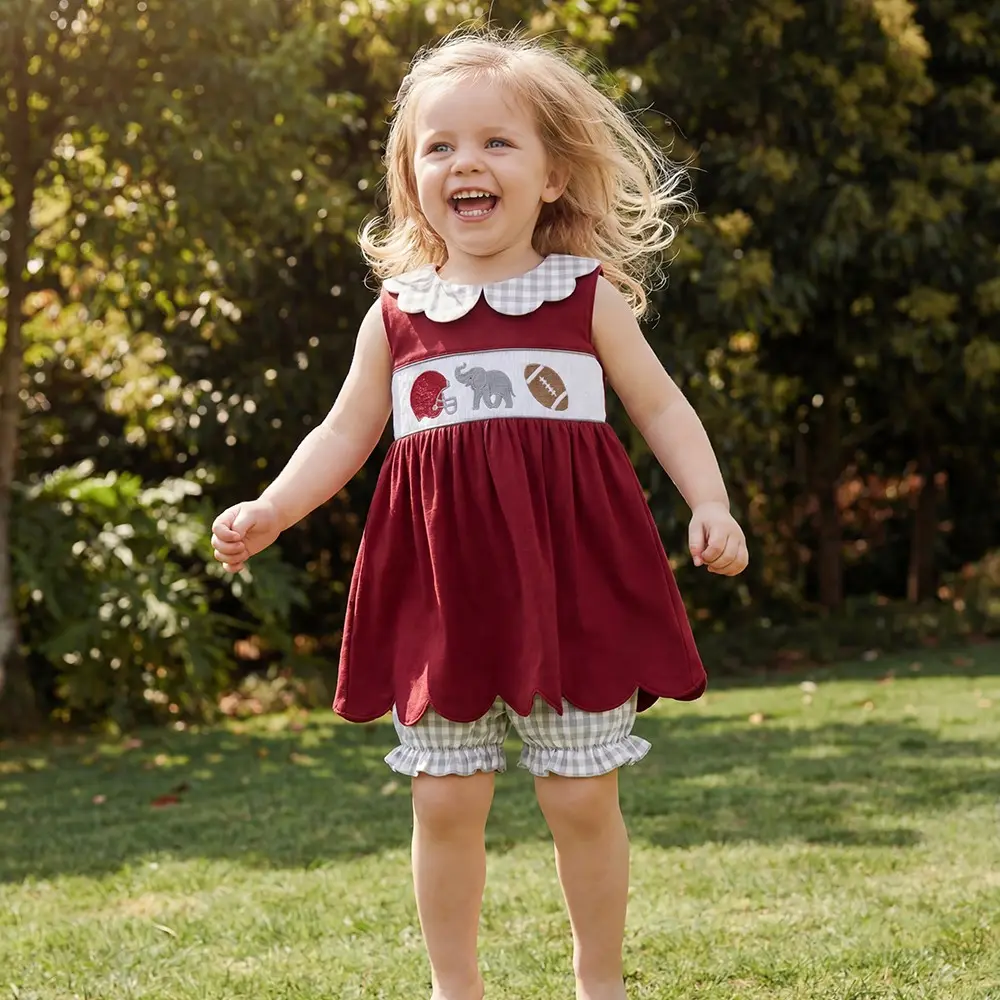
Parents and caregivers purchasing girls clothing face a complex decision landscape that goes far beyond simple sizing and color preference. The focus on prints, trims, and fabric feel reflects a deeper understanding of what makes quality girls clothing both functional and appealing to young wearers. Understanding these priorities reveals how girls clothing buyers balance aesthetic preferences with practical performance considerations that directly impact daily wear satisfaction and longevity.
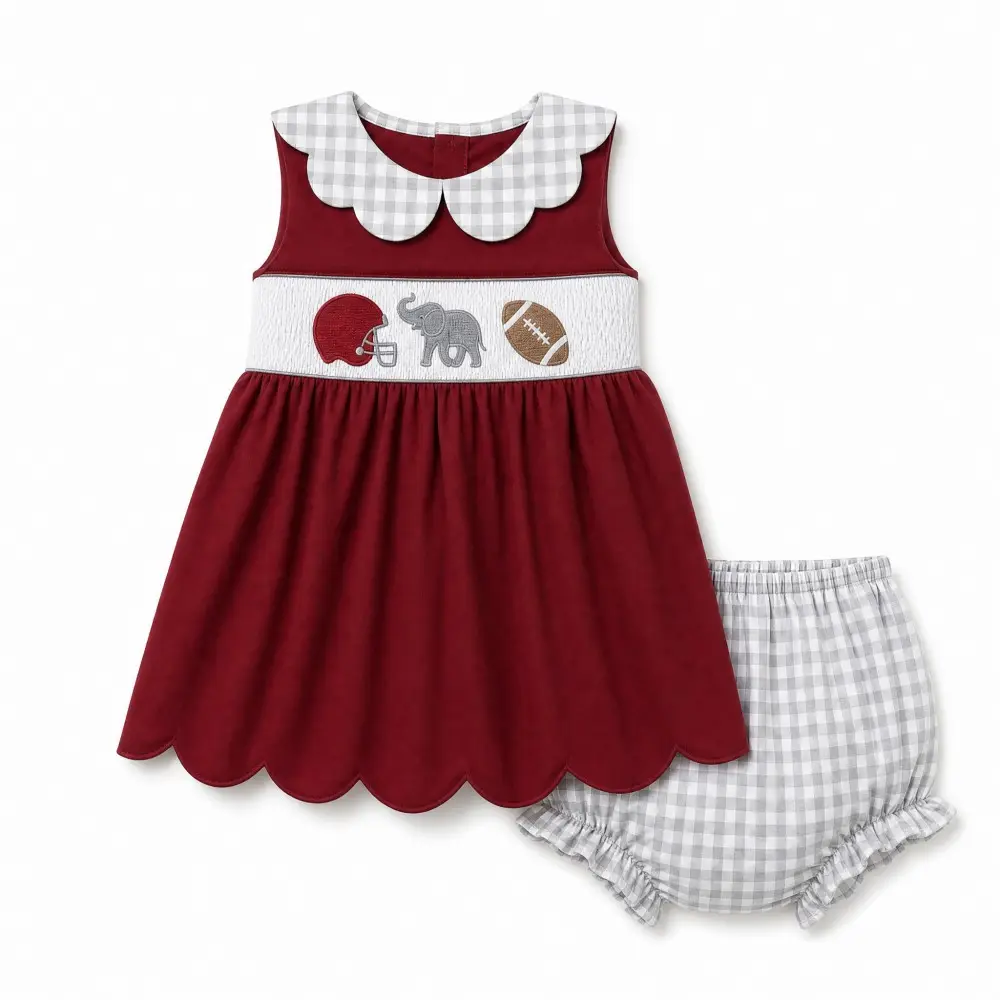
The emphasis on these three elements represents a strategic approach to girls clothing selection that addresses both emotional and practical needs. When buyers examine girls clothing options, they instinctively evaluate how design elements communicate character, individuality, and quality construction. This multifaceted evaluation process demonstrates that girls clothing purchasing decisions involve much more consideration than conventional retail categories require.
The Visual Appeal and Personal Expression in Girls Clothing
Prints as Identity and Personality Expression
Prints serve as the primary visual language in modern girls clothing collections. Buyers recognize that prints function as more than decoration; they communicate personality, interests, and individual style preferences. From floral patterns to geometric designs, the variety of prints available in girls clothing allows young wearers to express identity and explore aesthetic preferences during formative years. The psychological impact of wearing favorite printed patterns in girls clothing creates confidence and emotional connection to everyday garments.
Parents purchasing girls clothing understand that prints influence how children perceive themselves and how peers perceive them socially. Popular prints in girls clothing categories often reflect current trends, seasonal themes, or character-based designs that resonate with target age groups. This makes print selection a critical decision point when evaluating girls clothing options, as the wrong pattern can result in reluctant wear or reduced garment usage over the season.
Design Details and Aesthetic Differentiation
Trims represent the detailed craftsmanship that distinguishes premium girls clothing from basic alternatives. Lace edges, ribbon accents, embroidered details, and decorative piping transform simple garments into memorable pieces within girls clothing assortments. Buyers focus on trim quality because these finishing touches signal overall construction standards and demonstrate attention to detail in girls clothing manufacturing. Well-executed trims in girls clothing also create Instagram-worthy pieces that encourage parent sharing and social validation.
The strategic placement of trims in girls clothing designs communicates luxury positioning and design sophistication. Buyers recognize that trims add functional value by reinforcing seams and preventing fraying, while simultaneously enhancing visual appeal. This combination of aesthetic and practical benefits makes trim evaluation a non-negotiable assessment criterion when selecting quality girls clothing.
Fabric Feel and Comfort-Driven Purchasing Logic
Tactile Experience and Sensory Satisfaction
Fabric feel emerges as the foundation of girls clothing satisfaction because comfort directly determines wear frequency and parental perception of value. When shopping for girls clothing, buyers prioritize soft, breathable materials that feel pleasant against sensitive skin. The tactile experience of running fingers across fabric samples influences purchasing confidence more than descriptions or marketing claims about girls clothing quality. Premium fabric feel in girls clothing signals genuine quality investment and demonstrates manufacturer commitment to child comfort.
Children's resistance to wearing uncomfortable girls clothing creates practical purchasing pressure that drives fabric-focused evaluation. Buyers learn through experience that girls clothing with inferior fabric feel generates complaints, reduced wear, and parental frustration. This drives systematic attention to fabric composition, weave density, and finish quality when assessing girls clothing options. The sensory dimension of fabric feel creates immediate tactile feedback that confirms value before purchase.
Performance and Durability Connection to Fabric Selection
Premium fabrics used in girls clothing deliver measurable performance advantages that justify higher price points and influence repeat purchasing. Quality fabric in girls clothing withstands repeated washing without pilling, fading, or texture degradation that characterizes lower-tier options. Buyers understand that superior fabric feel in girls clothing correlates directly with garment longevity, color retention, and structural integrity throughout a season. This connection between fabric quality and girls clothing durability makes material evaluation a practical cost-benefit calculation.
Fabric feel also indicates whether girls clothing will accommodate active play, outdoor activities, and frequent movement without restriction or discomfort. Breathable, flexible fabrics in girls clothing support the dynamic movement patterns of childhood while maintaining garment shape and appearance. Buyers recognize that girls clothing constructed from appropriate high-performance fabrics reduces replacement frequency and maximizes value realization across the ownership lifecycle.
Decision-Making Framework in Girls Clothing Markets
Integration of Aesthetic and Functional Priorities
The focus on prints, trims, and fabric feel represents a cohesive purchasing framework where aesthetic and functional considerations operate simultaneously in girls clothing evaluation. Buyers approach girls clothing selection with layered priorities that balance visual appeal, tactile comfort, design quality, and practical durability. This integration explains why girls clothing options emphasizing only one dimension fail to achieve market traction; successful products address multiple buyer priorities comprehensively.
Professional girls clothing designers recognize this integrated framework and structure product development accordingly. girls clothing that combines appealing prints with quality trims and premium fabric feel delivers multi-dimensional value that influences positive purchasing decisions. This approach demonstrates market understanding of how buyers evaluate girls clothing across aesthetic, tactile, and performance dimensions simultaneously.
Seasonal Trends and Year-Round Relevance
Girls clothing trends evolve seasonally, requiring buyers to reassess print popularity, appropriate trim styling, and fabric weight recommendations continuously. Summer girls clothing collections emphasize lightweight fabrics with breathable construction, while winter girls clothing prioritizes warmth and durability. The seasonal dimension of girls clothing purchasing creates recurring evaluation moments where print freshness, trim appropriateness, and fabric specifications receive renewed attention each season.
Buyers utilize accumulated experience with girls clothing performance across seasons to refine future purchasing strategies. Successful prints from previous seasons remain relevant, while trim styles and fabric weights require updating to match current season expectations. This cyclical pattern reinforces why print variety, trim sophistication, and fabric quality represent core girls clothing evaluation criteria that drive consistent purchasing behavior across seasonal transitions.
FAQ
Why do prints matter more in girls clothing than in boys clothing options?
Prints in girls clothing traditionally receive greater emphasis because cultural expectations emphasize visual self-expression and aesthetic presentation more prominently in children's clothing for girls. Marketing campaigns for girls clothing prominently feature print variety and pattern combinations to signal product diversity. Additionally, girls clothing buyers often report that children express stronger preferences for specific print styles, making print selection a primary decision factor that influences overall satisfaction with girls clothing purchases.
How does fabric feel impact the practical lifespan of girls clothing?
Premium fabric quality in girls clothing directly extends garment lifespan by resisting pilling, fading, and structural deterioration through repeated wear and washing cycles. Girls clothing constructed from quality fabrics maintains elasticity and color vibrancy, allowing multiple children to wear items across years through hand-me-down cycles. Poor fabric feel in girls clothing often indicates lower-quality materials that degrade quickly, resulting in premature replacement even when sizing remains appropriate for the wearer.
Can trim details significantly influence girls clothing resale or hand-me-down value?
Yes, trim quality in girls clothing contributes substantially to perceived value and desirability in resale markets and hand-me-down communities. Well-executed trim details make girls clothing pieces feel special and well-constructed, increasing appeal to secondary buyers. Girls clothing with deteriorating or poorly finished trims appears lower-quality regardless of overall condition, reducing hand-me-down desirability significantly. This makes trim assessment a practical consideration for buyers anticipating resale or sibling sharing of girls clothing items.