
 EN

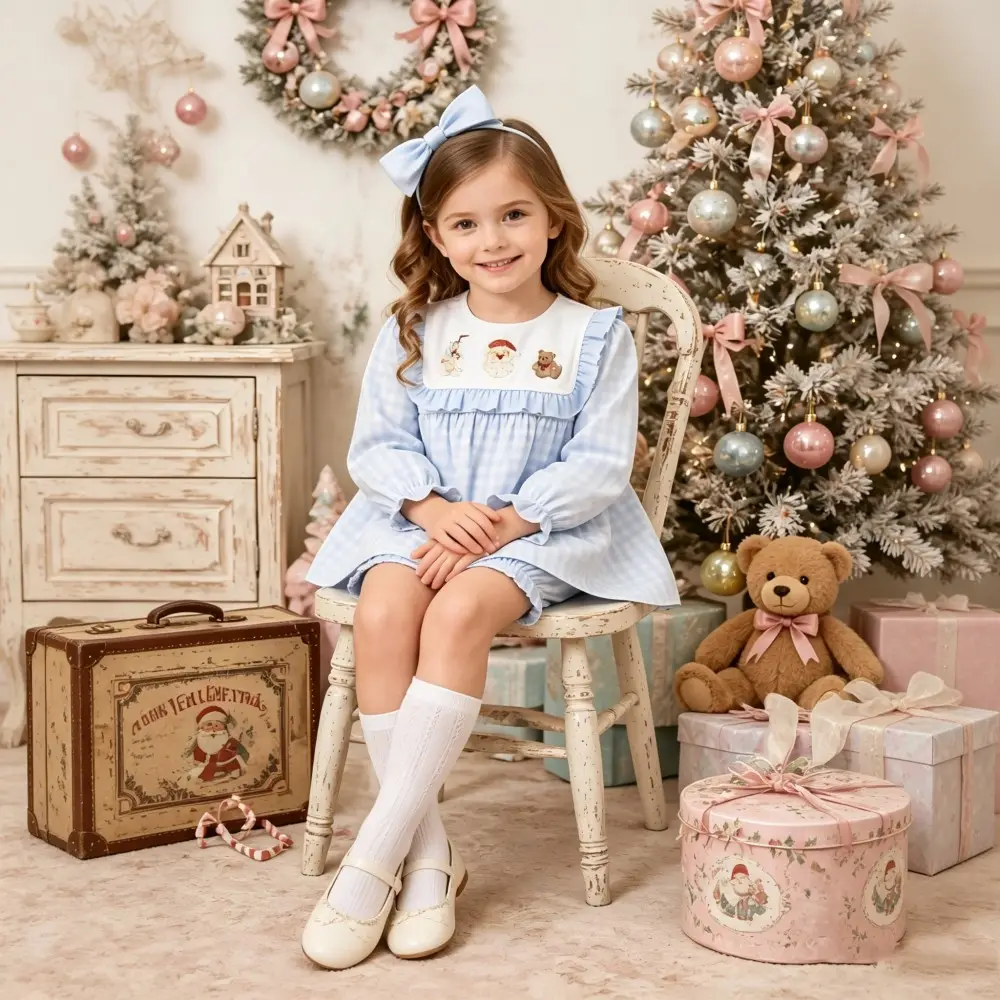
Girls clothing represents one of the fastest-growing segments in the children's apparel industry, with ruffled designs commanding premium positioning across boutique and mainstream retail channels. However, producing high-quality girls clothing with ruffles at scale introduces manufacturing complexities that standard garment production cannot easily accommodate. These complications stem from the delicate nature of ruffle construction, the precision required during assembly, and the rigorous quality control needed to ensure each piece meets both aesthetic and durability standards. Understanding why girls clothing ruffles demand special handling reveals critical insights into modern production strategy, cost structure, and the balance between artisanal quality and operational efficiency.
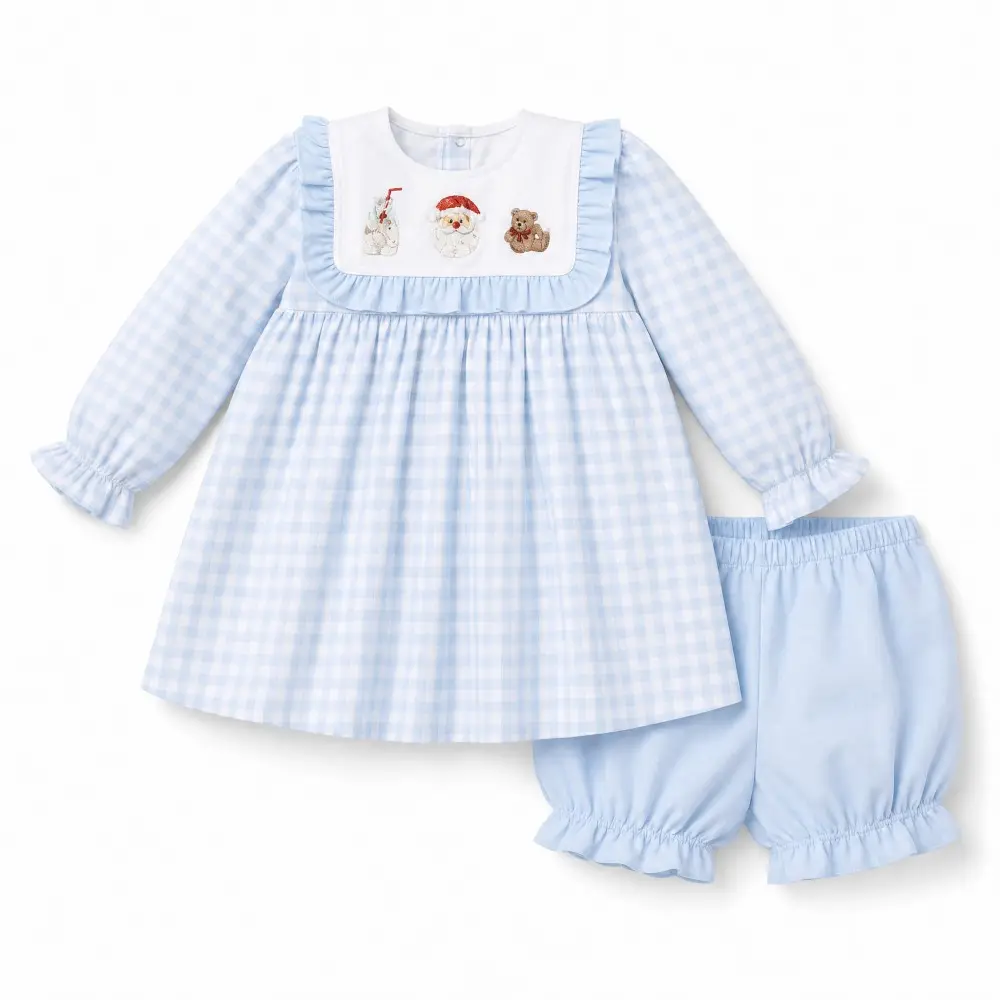
The ruffled aesthetic has become synonymous with premium girls clothing, particularly in categories like rompers, dresses, bodysuits, and special occasion wear. Yet this visual appeal masks underlying production realities that separate boutique-quality girls clothing from commodity-grade alternatives. Ruffles introduce exponentially more fabric handling touchpoints, require specialized sewing techniques, demand stricter pattern alignment, and necessitate advanced quality inspection protocols. Manufacturers who fail to implement specialized processes risk delivering girls clothing with misaligned ruffles, fraying edges, uneven gathers, or structural failures that undermine both brand reputation and customer satisfaction.
Structural Complexity and Pattern Management in Girls Clothing Production
Understanding the Fabric Layering Challenge
Girls clothing featuring ruffles involves layering multiple fabric panels that must align precisely during assembly. Each ruffle layer adds thickness and complexity to sewing operations, requiring operators to manage increased fabric bulk without creating puckers, wrinkles, or tension inconsistencies. Standard industrial sewing equipment designed for basic girls clothing production often struggles with ruffle sections because needle penetration, fabric feed, and thread tension behave differently across layered materials. Manufacturers producing girls clothing with ruffles must invest in specialized presser feet, adjustable tension mechanisms, and skilled operator training to maintain stitch consistency when transitioning between ruffle and main garment sections.
Pattern Alignment and Measurement Precision
Girls clothing patterns incorporating ruffles demand measurement precision that exceeds standard garment tolerances. Each ruffle must gather at exact intervals, creating uniform visual effect across the entire piece. Small deviations in pattern layout compound during assembly, resulting in girls clothing where ruffles appear lopsided, uneven in volume, or misaligned with other garment elements. This precision requirement forces manufacturers to implement computer-aided design systems, laser-cut pattern templates, and multi-checkpoint measurement verification before girls clothing ruffles enter production. Cut errors or minor template inconsistencies that would be acceptable in basic children's wear become unacceptable when producing girls clothing designed for premium retail positioning.
Specialized Sewing Techniques Required for Girls Clothing Ruffles
Gathering and Ruching Methods
Creating ruffles in girls clothing demands gathering fabric to precise ratios—typically 2:1 or 3:1—meaning two or three inches of fabric are gathered into one inch of finished ruffle. Manufacturers employ two primary gathering methods for girls clothing: hand-gathered ruffles for ultra-premium pieces and mechanized gathering for volume production. Hand-gathering in girls clothing production preserves artisanal quality but dramatically increases labor costs and production time, making it viable only for high-end boutique girls clothing. Mechanized gathering in girls clothing production uses specialized machines that fold and stitch fabric simultaneously, but these machines require frequent calibration, operator expertise, and quality monitoring to prevent the loose, inconsistent ruffles that characterize poorly manufactured girls clothing.
Thread and Tension Control
Girls clothing ruffles expose thread and tension challenges invisible in basic garment construction. The gathering process creates stress points where threads must hold gathered fabric under tension while remaining invisible in the finished product. Girls clothing manufacturers must select thread weights, fiber composition, and tension settings that accommodate the unique stresses created by ruffled construction. Too-tight tension in girls clothing production causes thread breakage and puckered ruffles; too-loose tension allows ruffles to flatten or separate after washing. This tension management becomes exponentially more difficult when girls clothing incorporates multiple ruffle layers or combines ruffles with other embellishment techniques, requiring operators to adjust machine settings between different ruffle sections.
Quality Control and Inspection Standards for Girls Clothing
Visual Consistency and Aesthetic Requirements
Premium girls clothing with ruffles must maintain visual consistency that standard quality inspection often overlooks. Each ruffle in girls clothing must match its counterpart in symmetry, volume, and appearance. This requirement forces manufacturers to implement visual inspection protocols beyond dimensional measurement—protocols that evaluate ruffle consistency across production batches. Girls clothing quality teams examine ruffle gathers for uniformity, check for fraying or loose threads, verify that gathers align with garment seams, and confirm that ruffles maintain shape through multiple test wash cycles. Single defects in girls clothing ruffles—one misaligned section, one frayed edge, one loose gather—can trigger rejection for boutique-quality girls clothing, whereas these same defects might be invisible in commodity children's wear.
Durability and Wash Testing
Girls clothing with ruffles requires extended durability testing because ruffles create weak points where stress concentrates during wear and washing. Manufacturers must test girls clothing ruffles through multiple wash cycles to confirm that gathering threads remain secure, that fabric doesn't unravel from gather points, and that ruffle structure survives aggressive laundering. This testing becomes essential because customer complaints about girls clothing ruffles separating, shredding, or flattening permanently damage brand credibility. Girls clothing manufacturers implement accelerated wash testing—10+ cycles with mechanical agitation—to simulate realistic wear patterns and identify potential failure points before girls clothing reaches retail. This extended testing delays production timelines for girls clothing but prevents costly recalls and returns.
Cost Structure and Manufacturing Economics of Girls Clothing Ruffles
Labor Intensity and Production Time
Producing girls clothing with ruffles requires approximately 30 to 50 percent more labor hours compared to standard girls clothing production. Each ruffle section in girls clothing demands individual operator attention for gathering, alignment, and finishing. Girls clothing factories cannot easily batch-process ruffled garments the way they handle basic children's wear; instead, ruffled girls clothing flows through production in smaller quantities requiring higher operator skill levels. This labor premium makes boutique girls clothing with ruffles economically viable only through premium pricing strategies that justify the increased production costs. Budget-conscious girls clothing brands often eliminate ruffles or substitute simpler ruffle techniques that reduce labor requirements but compromise visual quality.
Material Waste and Fabric Efficiency
Girls clothing ruffles generate higher fabric waste than standard garment production. The gathering process for girls clothing ruffles requires excess fabric that ultimately doesn't appear in the finished product—those 2:1 and 3:1 ratios mean significant material volume gets folded into tight gathers. Additionally, girls clothing pattern cutting around ruffle sections creates irregular remnants that resist economical reuse. Manufacturers must plan for this inherent waste when calculating fabric purchasing quantities for girls clothing, increasing raw material costs beyond what simple yard-per-garment calculations suggest. Girls clothing produced with sustainable or premium-grade fabrics sees even higher waste impact, as material scrap value represents lost investment in expensive base materials.
FAQ
Why do girls clothing manufacturers charge premium prices for ruffled designs?
Girls clothing with ruffles commands premium pricing because ruffled design requires specialized production techniques, higher-skilled labor, extended quality control, and increased material waste. Standard girls clothing production can process garments quickly through automated systems, but girls clothing ruffles demand individual operator attention for gathering, alignment, and finish work. Premium girls clothing brands justify higher prices by emphasizing the artisanal quality, durability, and visual distinctiveness that careful ruffle construction delivers. Customers purchasing boutique girls clothing with ruffles pay for both the finished aesthetic and the production expertise embedded in each piece.
Can mass-produced girls clothing achieve the same ruffle quality as boutique brands?
Mass-produced girls clothing can achieve high ruffle quality when manufacturers invest in specialized equipment, operator training, and rigorous quality protocols—but these investments increase per-unit costs, narrowing the price advantage of mass production. Some factories producing girls clothing at volume successfully implement mechanized gathering systems and statistical quality control that maintains consistent ruffle appearance across thousands of units. However, most mass-market girls clothing brands optimize for cost reduction rather than ruffle perfection, resulting in girls clothing where gather consistency varies or ruffles lack the volume and artisanal character of premium pieces. The quality gap between mass-produced and boutique girls clothing reflects conscious manufacturing choices rather than inherent production limitations.
What manufacturing defects most commonly affect girls clothing ruffles?
The most frequent defects in girls clothing ruffles include uneven gathering where fabric doesn't fold consistently, fraying at gather points where thread tension fails, misalignment where ruffles don't line up with garment seams, and thread breakage during the gathering process. Girls clothing quality inspectors also identify flattened ruffles that lose shape after washing, indicating insufficient ruffle density or weak gathering techniques. These defects become visible only through rigorous inspection protocols that compare each girls clothing piece against strict visual standards, making defect prevention dependent on operator skill, machine calibration, and production discipline rather than automated detection.