
 EN
EN

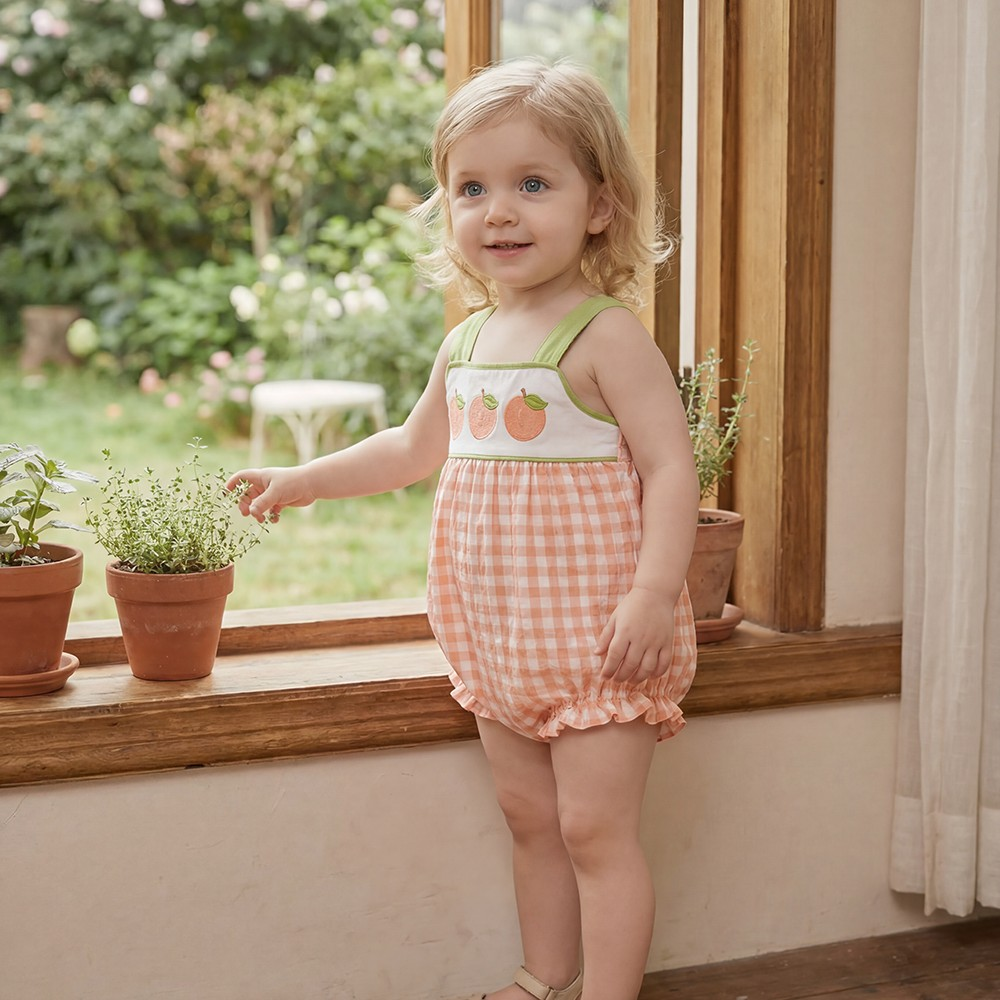
Stocking the right kids clothing is one of the most strategic decisions a children's retailer can make. Parents shop with dual purpose in mind — they want outfits that work on a Monday morning and still look great on a Saturday afternoon. When your store carries kids clothing that bridges structured school wear and relaxed weekend styles, you reduce the pressure on buyers while increasing basket size per visit. The challenge is knowing exactly which styles accomplish that without overcomplicating your inventory.
This article is designed for store buyers, boutique owners, and merchandisers who want a clear framework for selecting kids clothing that genuinely serves both school-day and weekend-wear needs. Rather than splitting your floor space between two entirely separate collections, there is a smarter path — identifying style categories where kids clothing naturally overlaps both contexts. Understanding those categories helps you stock confidently and sell consistently throughout the season.
The Core Appeal of Dual-Purpose Kids Clothing
Why Versatility Drives Purchase Decisions
When parents evaluate kids clothing, versatility consistently ranks near the top of their decision criteria. A shirt that only works with a school uniform is far less attractive than one that can be tucked in for class and worn casually over the weekend. This is why dual-purpose kids clothing tends to move faster off retail racks — it justifies the spend by offering perceived value across multiple contexts. For retailers, this means stocking fewer SKUs while still meeting broader customer needs.
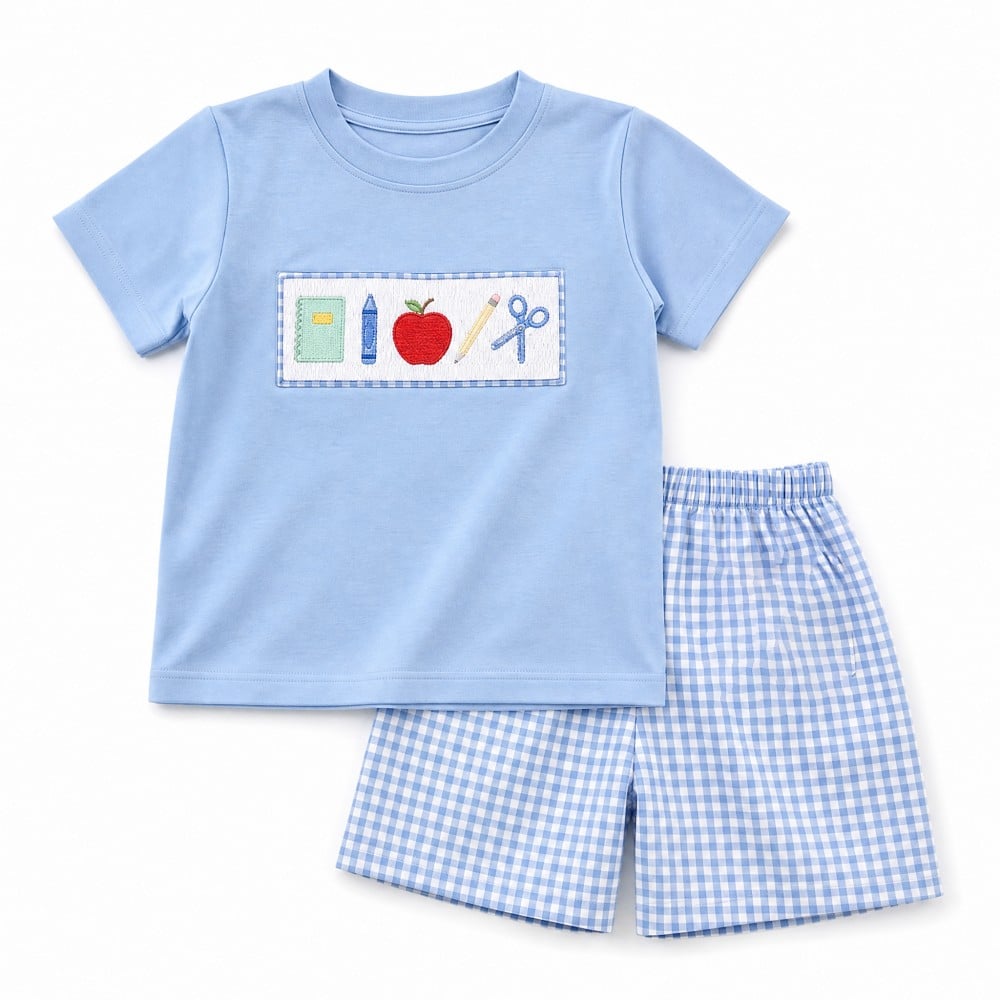
Smocked and embroidered styles are a strong example. A boys' smocked embroidery t-shirt paired with gingham shorts is the kind of kids clothing that looks intentional enough for a school event but relaxed enough for a weekend outing at the park. The detailing adds a polished character without being overly formal. Gingham patterns in particular read as both classic and casual — a combination parents find easy to dress up or down depending on the occasion.
What Makes Kids Clothing Work Across Occasions
The key factors that make kids clothing genuinely occasion-flexible include fabric comfort, print clarity, and silhouette. Soft cotton blends remain the dominant fabric choice in practical kids clothing because they hold their shape, wash easily, and stay comfortable through an active school day or a weekend adventure. Prints that are clean and structured — like gingham checks or fine embroidery motifs — tend to feel more deliberate than oversized novelty graphics, making the kids clothing easier to wear in varied settings.
Fit also plays a role. Kids clothing with a slightly relaxed but not oversized cut tends to photograph well, move well, and appeal to a wider age range. When buyers select kids clothing with these characteristics in mind, the styles tend to perform better across multiple selling windows — back-to-school season, spring breaks, and casual spring and summer weekends alike.
Style Categories That Cover Both School and Weekend
Classic Sets and Coordinated Outfits
Coordinated kids clothing sets are among the most reliable performers for stores targeting both school and weekend customers. A matching top-and-bottom set in kids clothing removes the styling guesswork for parents and presents a complete look at the point of sale. Embroidered t-shirt and shorts sets, for instance, photograph well for social media, display effectively on mannequins, and sell as a unit — which supports higher average transaction values. The kids clothing set format works especially well during the back-to-school period when parents are shopping efficiently and appreciate outfits that are already curated.
Gingham shorts paired with a smocked or embroidered top represent a coordinated style that straddles structured and casual wear. Gingham is a pattern with broad generational appeal — familiar to parents and fresh enough for children. When retailers stock this type of kids clothing, they can display it as a school-ready outfit while also positioning it clearly for weekend wear through their in-store and digital merchandising.
Polo Shirts and Chino-Style Bottoms
Polo shirts remain a staple in boys' kids clothing because they carry an inherently versatile character. They can be worn tucked with shorts or untucked with jogger-style pants. The polo collar adds enough structure for school environments without feeling stiff or uncomfortable. When paired with chino-style shorts or lightweight trousers, this kids clothing combination works naturally across school days, family outings, and casual weekend visits.
For girls' kids clothing, equivalent dual-purpose options include button-front blouses, smocked bodice tops, and A-line skirts. These styles strike a balance between neat and relaxed. Smocking in particular has seen strong resurgence in contemporary kids clothing — it offers tactile detail that parents associate with quality and children find comfortable due to the fabric's natural stretch. Boutique retailers especially find that smocked kids clothing draws strong repeat purchases because the style holds aesthetic relevance across multiple seasons.
Merchandising Kids Clothing to Maximize Both Markets
How to Present Dual-Use Kids Clothing In-Store
Effective merchandising is what transforms a well-chosen kids clothing assortment into strong sales. When you display kids clothing in styled complete outfits rather than folded stacks, you communicate the occasion context immediately. A mannequin wearing a gingham set with clean white sneakers signals weekend ease. The same kids clothing styled with a structured backpack and a trim belt signals school readiness. Dual-context display teaches the customer how to use the product, and that storytelling directly supports purchase confidence.
Retailers who segment their kids clothing displays by occasion — even within the same collection — tend to see stronger engagement. Small signage such as 'school to weekend' or 'wear it both ways' helps parents self-identify their need and move faster through the purchase decision. This approach works particularly well for kids clothing sets where the styling versatility may not be immediately obvious without a visual cue.
Stocking Depth and Seasonal Timing
Knowing how deeply to stock specific kids clothing styles requires understanding your sales calendar. Back-to-school season in late summer is the peak window for structured kids clothing, but the styles that sell well then often carry forward into autumn weekend wear. Stocking smocked sets, gingham coordinates, and polo-based kids clothing in moderate depth across multiple colorways allows for a smooth transition from back-to-school selling into the broader casual fall season. This approach reduces markdown risk and keeps your kids clothing floor feeling fresh without constant full resets.
FAQ
What kids clothing styles are easiest to merchandise for both school and weekend?
Coordinated sets, smocked tops, embroidered shirts, and gingham-pattern kids clothing are the easiest styles to merchandise across both occasions. They carry enough visual structure for school contexts and enough casual character for weekends, making them highly adaptable in your displays.
How many SKUs of kids clothing do I need to cover school and weekend needs?
A focused assortment of 8 to 15 kids clothing SKUs in dual-purpose styles is typically sufficient for a boutique or specialty store. Prioritize coordinated sets and versatile separates in neutral or classic patterns so that each kids clothing piece can serve multiple styling scenarios without requiring a large total inventory.
When is the best time to introduce dual-purpose kids clothing collections?
The strongest entry point for dual-purpose kids clothing is the back-to-school window, typically from mid-July through early September. Introducing this kids clothing range early in that window allows you to capture structured school-focused purchases while also positioning the same styles for the casual weekend needs that continue well into the fall season.