
 EN

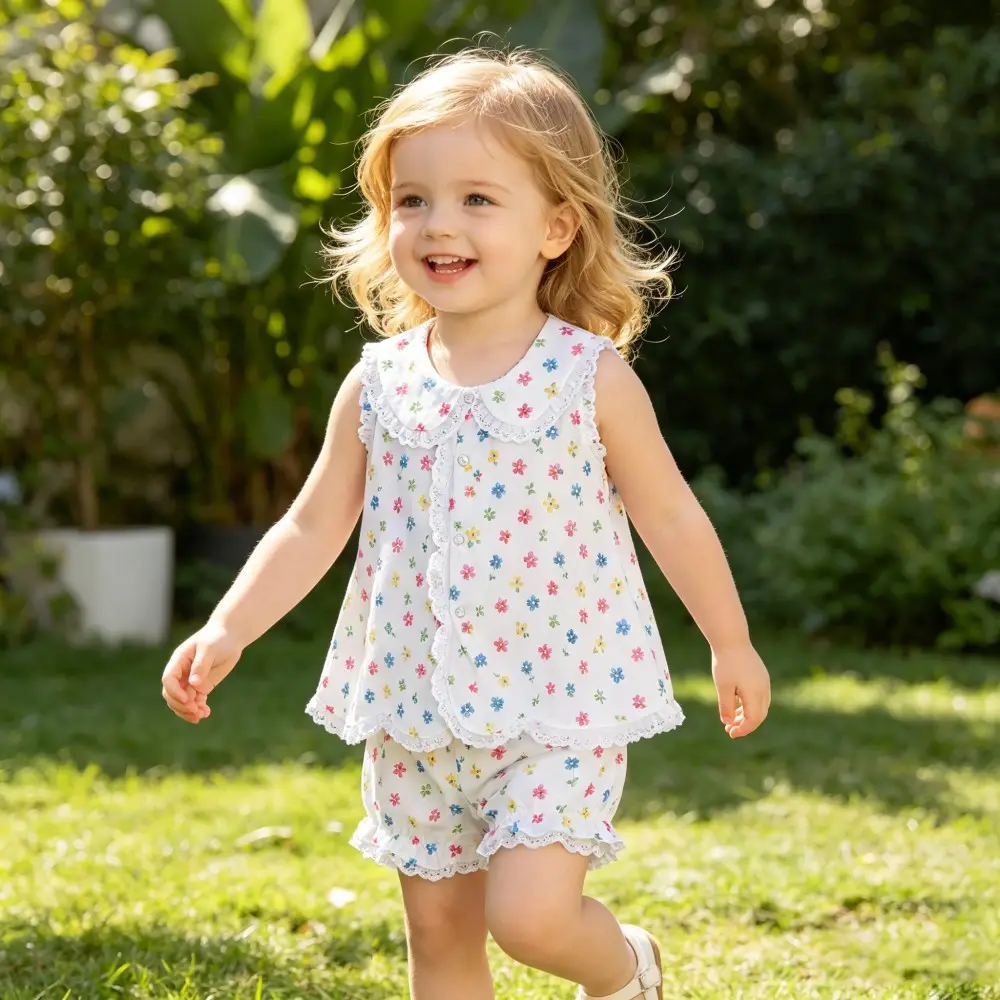
Every morning, mothers face the same overwhelming question: what should their child wear today? When girls clothing options multiply across multiple pieces—tops, bottoms, accessories, and layering items—the decision-making process can become exhausting. This daily burden, known as decision fatigue, drains mental energy and delays morning routines. Coordinated girls clothing sets offer a transformative solution by eliminating this stress through pre-matched combinations that work seamlessly together. Mothers who embrace this approach report significantly reduced morning friction and increased confidence in their children's appearance throughout the day.
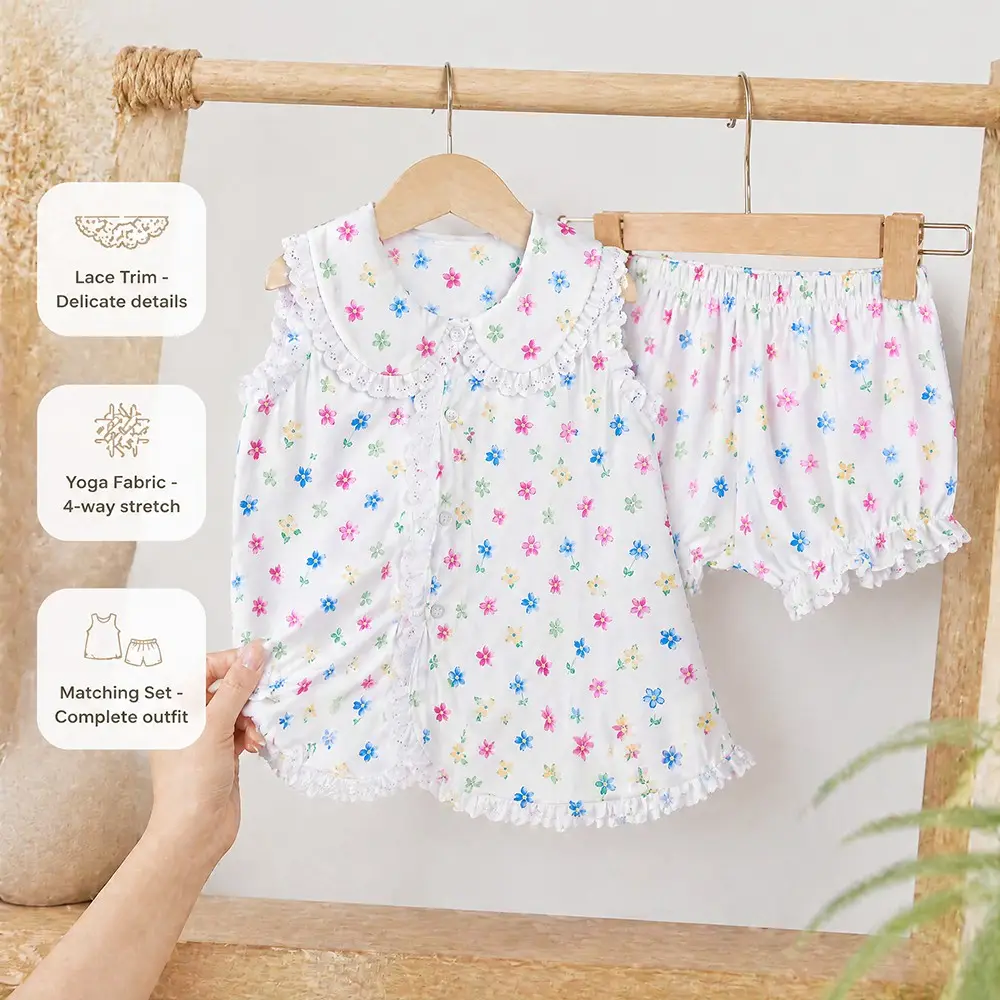
Strategic girls clothing selection goes beyond aesthetics; it directly impacts family well-being and time management. When mothers invest in cohesive girls clothing sets that combine thoughtfully designed pieces, they reclaim valuable decision-making capacity for more important priorities. This practical approach to girls clothing shopping transforms wardrobes into efficient systems rather than chaotic collections. Understanding how girls clothing sets reduce decision fatigue requires exploring the psychology of choice, the structure of effective combinations, and the real-world benefits that parents experience daily.
Understanding Decision Fatigue and Girls Clothing Choices
How Daily Outfit Decisions Impact Morning Routines
Decision fatigue emerges when mothers must evaluate multiple girls clothing options simultaneously. Each piece presents choices about color coordination, season appropriateness, fabric comfort, and activity suitability. When girls clothing exists as individual items scattered across a wardrobe, mothers spend precious mental energy matching tops with bottoms, checking weather compatibility, and ensuring pieces work within the family schedule. This cumulative cognitive load depletes focus and emotional resilience before the day truly begins.
Research in cognitive psychology demonstrates that excessive choice actually reduces decision quality and increases stress. Mothers selecting from numerous girls clothing combinations experience decision paralysis, often settling for the first acceptable option rather than confident choices. Pre-assembled girls clothing sets eliminate this burden by establishing clear combinations in advance. The transformation from scattered pieces to coherent girls clothing sets reshapes morning routines from stressful negotiations into simple, predetermined selections.
The Psychological Benefits of Simplified Girls Clothing Systems
When mothers transition to organized girls clothing set combinations, they experience immediate psychological relief. The brain recognizes reduced choice requirements and allocates freed cognitive resources to family interactions and important decisions. Girls clothing sets create what organizational experts call 'constraint-based comfort'—the paradoxical benefit of having fewer visible choices that leads to greater satisfaction. This principle applies directly to children's wardrobes because simplified girls clothing options reduce anxiety for both parent and child.
Children themselves benefit when girls clothing is presented as coordinated sets rather than scattered pieces. Studies indicate that children who face fewer outfit decisions experience less morning resistance and develop more positive associations with getting dressed. Coordinated girls clothing sets communicate clarity and intention, helping young minds navigate daily routines with greater ease and cooperation.
Strategic Girls Clothing Set Composition and Design
Building Versatile Girls Clothing Combinations
Effective girls clothing sets combine pieces that work across multiple contexts and seasons. The most practical girls clothing sets include coordinating tops and bottoms that accept seasonal layering—sleeveless styles for summer paired with cardigans or jackets for transitional weather. This approach multiplies the utility of each girls clothing investment because one set adapts to changing temperatures and activity types. Mothers find that thoughtfully designed girls clothing sets create foundation pieces that mix with complementary single items, further extending wardrobe flexibility without multiplying decision complexity.
Color coordination represents a critical element in girls clothing set success. Sets featuring complementary hues or prints create visual cohesion that automatically works together. When girls clothing includes soft pastels, coordinated solids, or matching patterns, mothers never question whether components pair effectively. This eliminates a major decision point that complicates girls clothing selection on rushed mornings. Fabric consistency within girls clothing sets also enhances versatility—matching weight and composition between top and bottom pieces ensures comfortable wear throughout daily activities.
Matching Girls Clothing for Different Seasons and Activities
Seasonal transition creates opportunities for girls clothing set effectiveness. Summer girls clothing sets might feature breathable cotton or moisture-wicking blends in lighter weights and colors. Transitional girls clothing combinations work with layering pieces, while winter sets incorporate warmer fabrics and additional coverage. By assembling girls clothing specifically for each season, mothers avoid mixing incompatible pieces and eliminate seasonal confusion. This seasonal structuring of girls clothing prevents the wardrobe chaos that occurs when lightweight summer items mingle with heavy winter pieces.
Activity-specific girls clothing sets further streamline decision-making. School-appropriate girls clothing differs from sports or casual play wear in fabric durability, ease of movement, and practical features. When mothers maintain separate girls clothing categories—one set for structured environments, another for active play, another for social events—selection becomes instantaneous and confident. This compartmentalization of girls clothing transforms what might seem like inventory bloat into actually efficient system design.
Practical Implementation and Long-Term Benefits
Transitioning to Girls Clothing Sets for Maximum Impact
Mothers experience greatest success when introducing girls clothing sets gradually rather than overhauling entire wardrobes simultaneously. Starting with three to five coordinated girls clothing combinations allows families to experience benefits before expanding the system. Each girls clothing set should include versatile pieces that mix with existing items, creating a bridge between old and new approaches. This gradual transition builds confidence and helps mothers discover which specific girls clothing styles and combinations best suit their children's needs and preferences.
Documentation strengthens girls clothing set effectiveness. Some mothers photograph their girls clothing sets and display images in accessible locations, creating visual guidance for children who begin developing clothing preferences. This technique works particularly well for older children who start participating in girls clothing decisions. The girls clothing combinations become even more valuable when family members can easily identify and select appropriate options without requiring maternal input every time.
Long-Term Wardrobe Efficiency and Family Outcomes
Families who embrace girls clothing sets report sustained improvements in morning dynamics and reduced parental stress. The decision efficiency transfers beyond clothing into other areas where mothers conserve mental energy for genuine priorities. Over months and years, coherent girls clothing systems reduce clothing waste because coordinated pieces remain in regular rotation rather than being overshadowed by mismatched alternatives. Investment in quality girls clothing sets pays dividends through extended wear life and consistent usability.
Financial benefits emerge when mothers stop impulse purchases driven by decision fatigue and instead invest strategically in girls clothing sets that serve multiple purposes. This disciplined approach to girls clothing purchasing actually reduces overall spending despite individual set costs. Children wearing girls clothing sets develop stronger style recognition and personal preference clarity, laying groundwork for independent decision-making skills that serve them through adolescence and beyond.
FAQ
How many girls clothing sets does a child realistically need?
Most experts recommend four to six coordinated girls clothing sets that rotate through weekly wear, accounting for laundry cycles and varying activity levels. This quantity ensures girls clothing availability while preventing overwhelming choices. Adjust based on school schedules, climate zones, and whether additional activity-specific girls clothing becomes necessary for sports or special programs.
Can girls clothing sets work with hand-me-downs and existing wardrobe pieces?
Yes—effective girls clothing set implementation incorporates compatible existing pieces while adding strategic new girls clothing. Prioritize adding complementary bottoms or layering items that extend the utility of pieces already owned. This approach maximizes girls clothing efficiency while respecting family budgets and reducing waste from unused inherited items.
At what age should parents stop using girls clothing sets?
Most children benefit from parental selection of girls clothing through early elementary years. As children approach middle school, introduce choice within organized girls clothing options—perhaps selecting between two pre-approved girls clothing sets rather than entire wardrobe freedom. This gradual transition respects emerging autonomy while maintaining the decision-efficiency benefits that coordinated girls clothing provides for busy families.