
 EN
EN

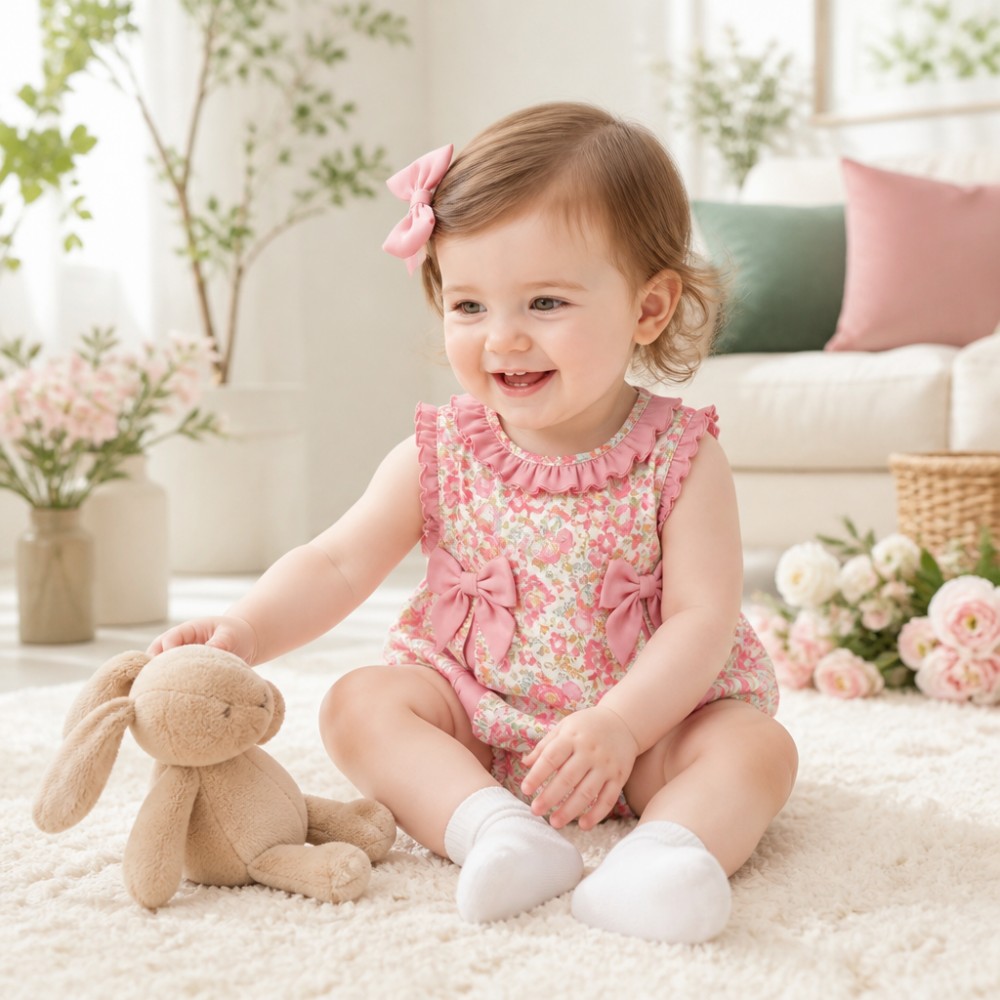
Every parent faces the same dilemma in the store aisle or while scrolling online: should you buy the adorable, on-trend outfit that caught your eye, or stick with simple, practical baby clothes that will hold up wash after wash? The question seems straightforward, but the real cost of baby clothes goes far beyond the price tag. When you add up frequent replacements, limited wearability, and the emotional pressure of keeping up with fast-changing trends, trendy baby clothes can quietly drain a family budget in ways that are easy to overlook.
This article breaks down the true financial and practical cost of choosing trendy baby clothes versus investing in timeless, functional staples. Whether you are building a newborn wardrobe from scratch or re-evaluating how you shop for your growing toddler, understanding where your money actually goes when buying baby clothes can help you make smarter, more confident decisions. The comparison may surprise you, especially when resale value, durability, and versatility are factored in alongside the upfront price of each piece of baby clothes.
The Hidden Financial Cost of Trendy Baby Clothes
Price Per Wear and Rapid Obsolescence
Trendy baby clothes are designed to reflect a seasonal moment. A novelty graphic tee or a boldly printed romper might look fresh this spring, but it can feel dated by autumn. Because babies grow so quickly, the combination of rapid physical growth and fast-moving fashion trends means that a piece of trendy baby clothes may be worn only a handful of times before it no longer fits or no longer looks current. When you calculate the cost per wear, trendy baby clothes often turn out to be significantly more expensive than their sticker price suggests.
Consider a parent who buys five trendy baby clothes items each season across four seasons in a single year. Even at a modest average price per item, the annual spend on baby clothes accumulates fast. If each piece is worn only three or four times before it is outgrown or set aside, the cost per wear becomes difficult to justify. Timeless baby clothes, by contrast, can be worn repeatedly across multiple seasons, handed down to younger siblings, or resold at a fair secondhand price.
Resale Value and Long-Term Budget Impact
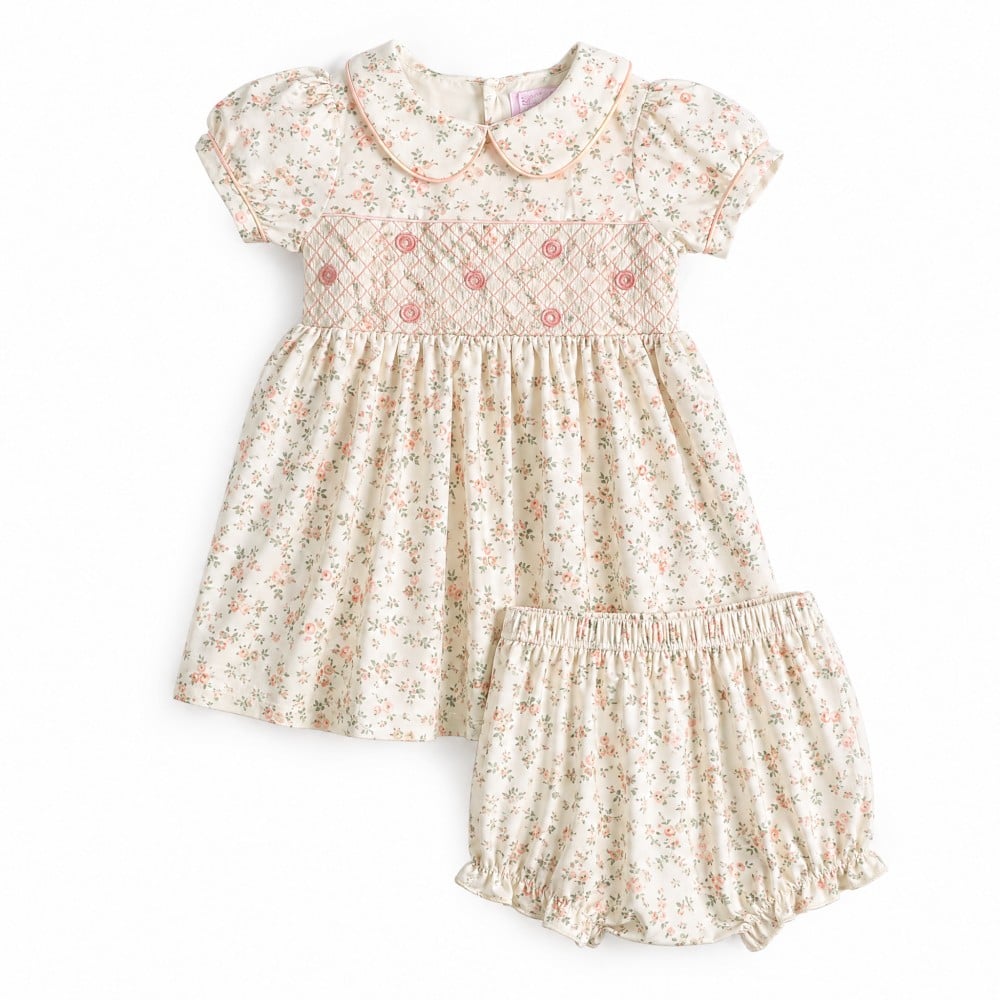
Classic baby clothes in neutral colors, simple cuts, and durable fabrics tend to hold their resale value far better than trend-driven pieces. A well-made smocked dress or a quality cotton set remains appealing to secondhand buyers precisely because its style is not tied to a specific moment. When you invest in quality timeless baby clothes, you are not just buying garments — you are acquiring items that can re-enter the market and partially recover their cost. Trendy baby clothes rarely offer the same return because their appeal fades alongside the trend itself.
The Practical Cost: Versatility and Wearability
How Often Can One Piece of Baby Clothes Really Be Used?
Versatility is one of the most underrated qualities in baby clothes. A timeless piece of baby clothes — think a soft floral smocked dress with a coordinating bloomer set — works equally well for a family gathering, a casual outing, a photo session, or an ordinary Tuesday at home. It does not require a specific occasion to justify wearing it. Trendy baby clothes, especially those built around a seasonal theme or pop-culture reference, often feel out of place outside their intended context, which further limits how frequently they are worn.
Parents who build a wardrobe around versatile, classic baby clothes typically find that they need fewer total pieces to cover their child's daily needs. A smaller collection of well-chosen baby clothes that mix and match easily can outperform a large pile of trend-specific items. This approach reduces laundry stress, simplifies dressing routines, and ensures that every piece of baby clothes earns its space in the drawer.
Durability and Fabric Quality in Baby Clothes
Trendy baby clothes are often produced quickly and at scale to meet demand while a style is popular. This production speed can compromise fabric quality, stitching durability, and overall garment construction. By contrast, timeless baby clothes styles such as smocked designs, Peter Pan collar sets, and classic cotton separates have been refined over decades. Manufacturers of these classic baby clothes styles typically prioritize fabric quality because their customers expect pieces that survive frequent washing and active wear. When baby clothes are built to last, they also become suitable for passing down to younger children, multiplying their value further.
The Emotional Cost of Chasing Baby Clothes Trends
Parental Pressure and the Social Media Effect
The cost of trendy baby clothes is not purely financial. Social media platforms create a constant stream of aspirational imagery, and parents can feel subtle but real pressure to dress their children in the latest styles of baby clothes. This pressure can drive impulse purchases that add up quickly and leave parents feeling dissatisfied when the trend passes. The emotional cycle of buying trendy baby clothes, feeling briefly satisfied, and then feeling the pull toward the next trend is a pattern that benefits fast-fashion retailers far more than it benefits families.
Choosing timeless baby clothes deliberately interrupts this cycle. When parents invest in quality baby clothes that they know will remain stylish and functional across seasons, they experience less buying anxiety and more confidence in their wardrobe decisions. A classic baby clothes set like a customizable floral smocked dress with a matching bloomer is the kind of piece that feels right at any age-appropriate moment, not just during the brief window of a trend cycle.
Gifting Culture and Baby Clothes Choices
Gift-givers also play a role in the baby clothes economy. Friends and family members who choose trendy baby clothes as gifts often contribute to wardrobe clutter rather than genuine utility. Encouraging a culture of gifting classic, practical baby clothes in quality fabrics benefits everyone involved. The recipient gets baby clothes that will actually be worn, and the gift-giver chooses something with lasting value rather than something that will be forgotten after one season.
FAQ
Are trendy baby clothes ever worth buying?
Trendy baby clothes can be worth buying in limited quantities for special occasions where the look matters and the piece will be worn at least a few times. However, building an entire wardrobe around trendy baby clothes is rarely cost-effective given how quickly babies grow and how fast fashion cycles move.
What makes baby clothes timeless rather than trendy?
Timeless baby clothes typically feature classic cuts, neutral or soft floral patterns, durable natural fabrics, and designs that are not tied to a specific pop-culture moment or seasonal color story. Smocked detailing, Peter Pan collars, and simple color palettes are all hallmarks of baby clothes designed to endure beyond a single trend cycle.
How can I stretch my budget when buying baby clothes?
The most effective way to stretch your baby clothes budget is to prioritize fewer, higher-quality timeless pieces over a large volume of trendy items. Choosing baby clothes in classic styles also improves resale potential, allowing you to recover part of your investment once your child outgrows each size. Buying gender-neutral or versatile baby clothes in timeless designs adds further flexibility if you plan to have more children.