
 EN
EN

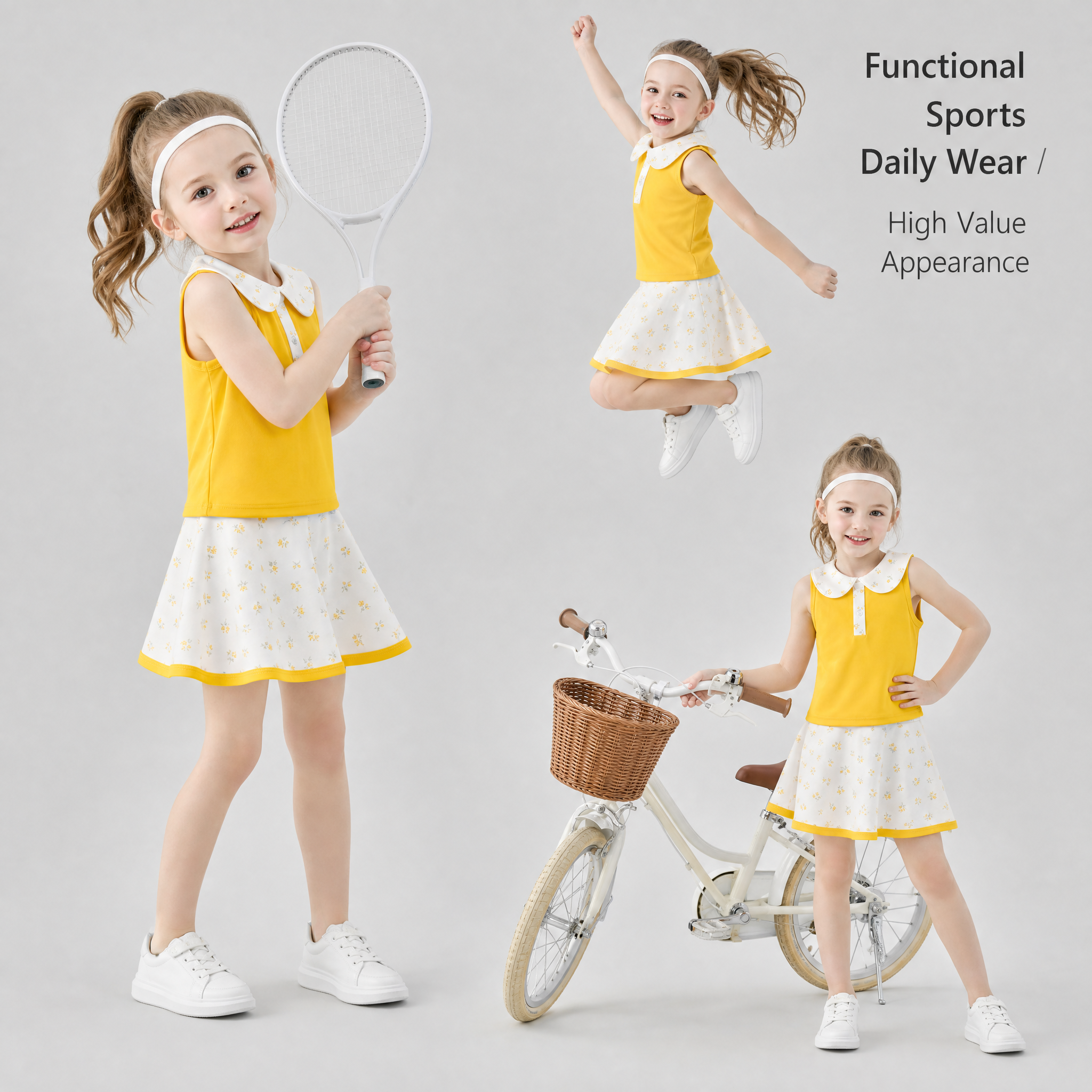
When it comes to dressing active kids, cotton has long been the default choice for parents. It feels familiar, it is widely available, and it seems safe. But once a child starts running, jumping, rolling across a gym floor, or swinging a tennis racket, cotton quickly reveals its limits. Girls activewear built from performance fabrics is designed specifically for the way children actually move, and understanding that difference changes how you shop for your daughter entirely.
Girls activewear has evolved far beyond simple athletic uniforms. Today it encompasses a wide range of thoughtfully engineered garments, from yoga sets and skort outfits to quick-dry tops built for sport courts and playgrounds. This guide walks through what truly makes girls activewear functional, how fabric science and garment construction work together, and what parents should look for when choosing pieces that genuinely support active play rather than simply tolerate it.
Why Fabric Choice Defines Girls Activewear Performance
The Problem With Cotton During Active Play
Cotton absorbs moisture readily, which sounds positive until you realize that means it holds sweat against the skin. For a girl sprinting across a tennis court or cycling through a yoga flow, damp cotton becomes heavy, clingy, and uncomfortable fast. Girls activewear made from polyester-spandex blends or nylon-based performance fabrics solves this problem through moisture-wicking technology that pulls sweat away from the skin and allows it to evaporate rapidly. The difference in comfort over a thirty-minute play session is significant and immediately felt by the child wearing it.
Beyond moisture management, cotton lacks stretch recovery. Once stretched, it does not reliably return to its original shape. Girls activewear crafted with a spandex or elastane component maintains its structure through repeated movement cycles, meaning waistbands stay in place, shorts do not sag, and tops do not lose their fit after a season of use. This structural integrity is a practical advantage that directly affects how free a child feels while moving.
Quick-Dry Fabrics and Why They Matter for Kids
Quick-dry technology in girls activewear is not a marketing gimmick. It is a functional property tied to the fabric's fiber structure and weave density. Performance textiles used in quality girls activewear are engineered to dry in a fraction of the time cotton requires. For parents, this means less laundry cycle dependency and faster turnaround between activities. For children, it means they are not sitting in damp clothing during a school lunch break after morning PE or during a car ride home from tennis practice.
Girls activewear with quick-dry properties also tends to resist odor buildup more effectively than cotton over short-to-medium wear periods. The reduced moisture retention limits the conditions in which odor-causing bacteria thrive. This makes girls activewear a more hygienic choice for high-activity days when a full clothing change is not always practical.
Construction and Fit in Girls Activewear
How Garment Design Supports Full Range of Motion
Fabric alone does not make girls activewear functional. Construction details matter enormously. Flatlock seams, for example, reduce friction and chafing in areas where movement creates repeated contact between fabric and skin. A well-designed girls activewear piece considers where the body bends, stretches, and bears weight during play. Shoulder seams in sleeveless tops are positioned to allow arm extension without restriction. Waistbands in skorts and shorts are wide, flat, and sit securely without digging in during forward bends or fast sprints.
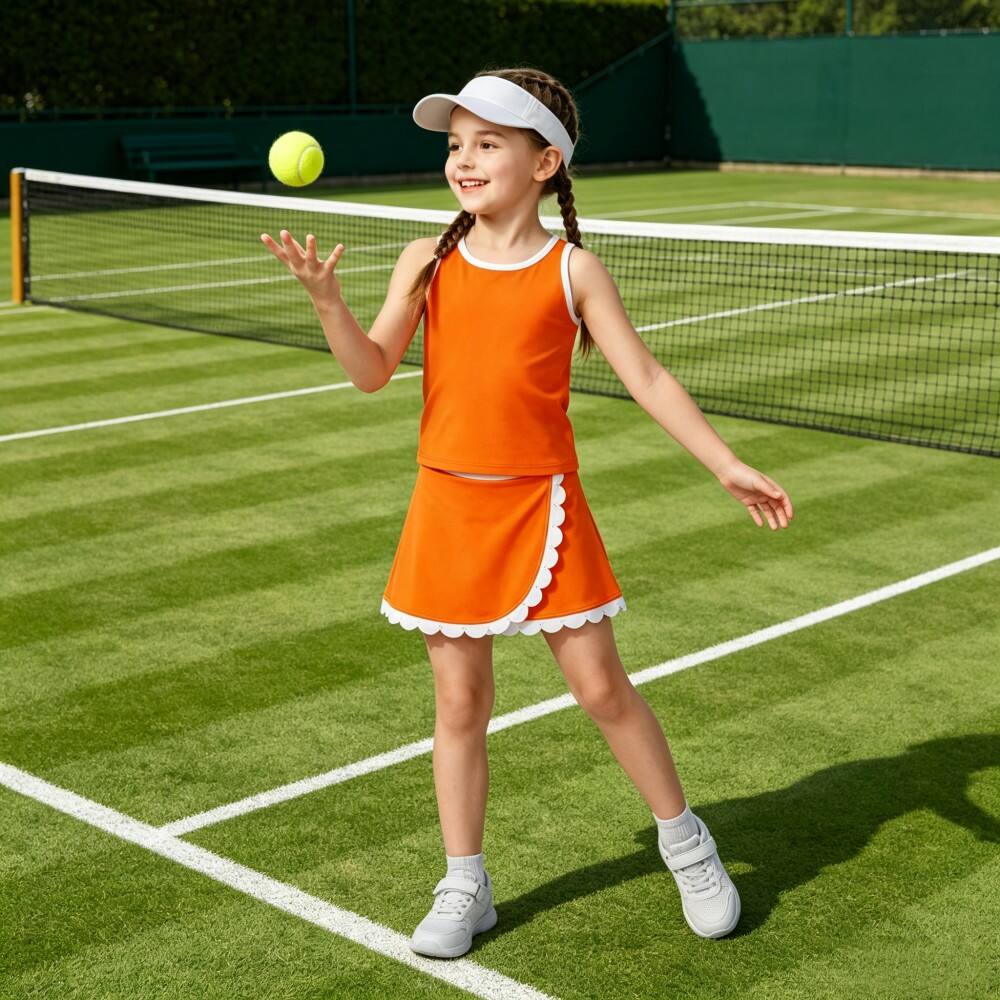
The skort design commonly found in girls activewear is an excellent example of construction meeting function. It combines the visual appeal of a skirt with the modesty and coverage of built-in shorts underneath. For girls playing tennis, dance, or running outdoors, the skort in girls activewear ensures freedom of movement without self-consciousness. The outer layer flows naturally while the inner layer stays secure, making the garment genuinely suited to active use rather than just aesthetically sporty.
Sizing and Fit Considerations for Growing Girls
Children grow rapidly, and girls activewear sizing must account for both current fit and functional performance at that fit. Too-tight girls activewear restricts movement and causes discomfort. Too-loose girls activewear can bunch, shift, or interfere with activity. Quality girls activewear brands invest in size grading that maintains proportional construction across all sizes, ensuring that the functional benefits of the design scale correctly with the child's body. Parents should prioritize fit at the shoulder and waist when assessing girls activewear, as these points most directly affect comfort during dynamic movement.
Versatility and Value in Girls Activewear
Outfits That Transition Across Activities
One of the strongest arguments for investing in quality girls activewear is its versatility across different physical contexts. A well-made girls activewear set designed for tennis can also serve effectively for yoga, gymnastics warm-ups, or casual outdoor play. The combination of a sleeveless performance top with a skort in girls activewear works equally well on a sport court, a studio mat, or a school playground. This cross-activity utility means parents can build a smaller, smarter wardrobe of girls activewear pieces rather than purchasing separate category-specific outfits for every sport.
Girls activewear with neutral or versatile colorways extends this practical value further. A navy-and-white or black girls activewear set transitions between structured practice sessions and informal weekend activity without looking out of place. The investment in a few high-quality girls activewear pieces often delivers better cost-per-wear value than a larger collection of cotton basics that wear out faster and perform less effectively during activity.
Care and Longevity of Performance Girls Activewear
Girls activewear made from performance fabrics is generally easy to care for. Cold-water machine washing and air drying or low-heat tumble drying preserves fiber integrity and elasticity over many wash cycles. Avoiding fabric softeners, which coat fibers and reduce moisture-wicking performance, helps maintain the functional properties of girls activewear long-term. Parents who follow basic care instructions will find that quality girls activewear retains its shape, color, and performance characteristics significantly longer than cotton alternatives used in the same active conditions.
FAQ
What age range is girls activewear typically designed for?
Girls activewear is typically produced in ranges starting from toddler sizes around age two up through pre-teen and junior sizes for girls up to age fourteen or fifteen. Sizing conventions vary by brand, so checking specific size charts is always recommended when selecting girls activewear for a growing child.
Is girls activewear suitable for everyday school wear?
Many girls activewear styles are well-suited for school days that include physical education classes, recess, or after-school sport activities. The comfort, flexibility, and quick-dry properties of girls activewear make it a practical choice for high-activity school environments, provided the style aligns with school dress code guidelines.
How do I know if a girls activewear fabric is genuinely quick-dry?
Look for product descriptions that specify polyester, nylon, or blended performance fabrics in the girls activewear composition. These materials have inherently faster drying rates than cotton. Some girls activewear products also carry moisture-wicking or quick-dry certification labels. Reading fabric content details rather than relying solely on marketing language helps confirm whether a piece of girls activewear will deliver genuine performance benefits.