
 EN
EN

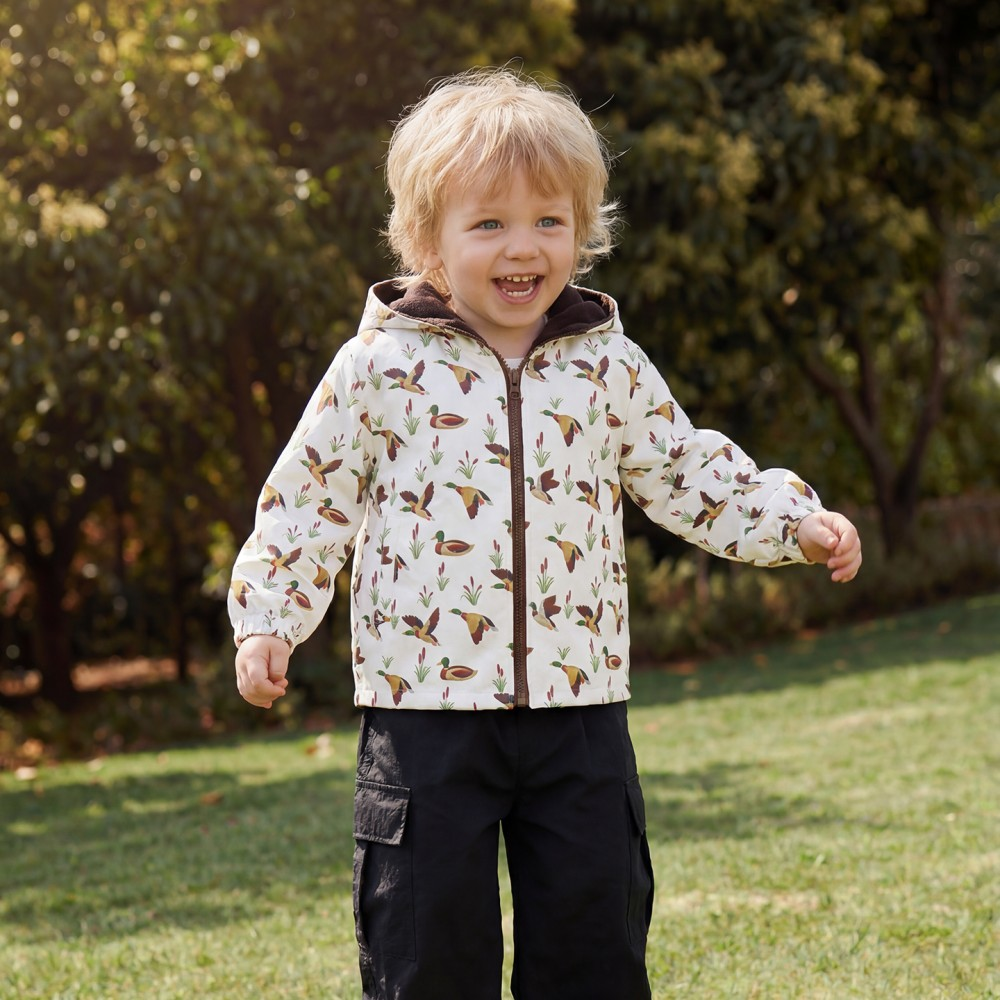
Every parent who has watched a child sprint across a muddy field, climb a fence, or wrestle with a friend knows the challenge of finding boy clothes that survive the day looking presentable. Boy clothes designed for active kids must handle real physical stress while still meeting the everyday style expectations parents and children both care about. The gap between rugged and refined has always frustrated parents, but modern boy clothes are finally closing that gap in meaningful ways.
Choosing the right boy clothes is not just a shopping decision — it is a practical investment in a child's comfort, confidence, and freedom of movement. When boy clothes are built to absorb rough play without falling apart, parents spend less time replacing worn-out items and more time watching their children enjoy childhood fully. This article explores exactly what makes boy clothes both durable and stylish, and how parents can identify the right pieces for active, energetic boys.
What Makes Boy Clothes Truly Durable for Rough Play
Fabric and Construction in Boy Clothes
The foundation of any truly durable pair of boy clothes is the fabric choice and how that fabric is put together. Boy clothes made from tightly woven materials resist tearing and abrasion far better than loosely constructed alternatives. Reinforced stitching at high-stress points — the knees, elbows, and pocket openings — is a key feature that separates reliable boy clothes from items that fall apart within weeks. Parents should check seam quality before purchasing boy clothes, since seam failure is the most common reason boy clothes need early replacement.
Boy clothes that incorporate stretch fabric blends offer an extra layer of durability because flexible materials move with the body rather than resisting it. When boy clothes can flex during a jump, a climb, or a fall, the fabric endures far less structural stress. This is especially important in boy clothes designed for outdoor activities, where movement is constant and unpredictable. Quality boy clothes invest in both the material weight and the construction detail that makes the difference between lasting one season and lasting several.
Protective Features Built Into Boy Clothes
Beyond basic fabric and stitching, the best boy clothes include protective design features that specifically address rough play scenarios. Padded knees in trousers, quilted layers in jackets, and water-resistant coatings in outerwear are all features that extend the useful life of boy clothes in active environments. A quilted jacket, for example, offers both insulation and a structured outer layer that resists minor abrasion during outdoor activities. Boy clothes with these built-in protective elements give parents genuine peace of mind without requiring children to limit how they play.
How Boy Clothes Can Stay Stylish Under Pressure
Design Choices That Balance Function and Appearance in Boy Clothes
Style in boy clothes does not mean sacrificing performance. The most well-designed boy clothes use clean lines, structured silhouettes, and coordinated color schemes that make them look intentional and put-together even after active use. Striped patterns in boy clothes, for instance, add visual structure and remain visually appealing even when the item has been washed repeatedly. Boy clothes that are designed with consistent visual themes — such as a matching stripe through a jacket lining and collar — maintain their stylish appearance across the full range of activity.
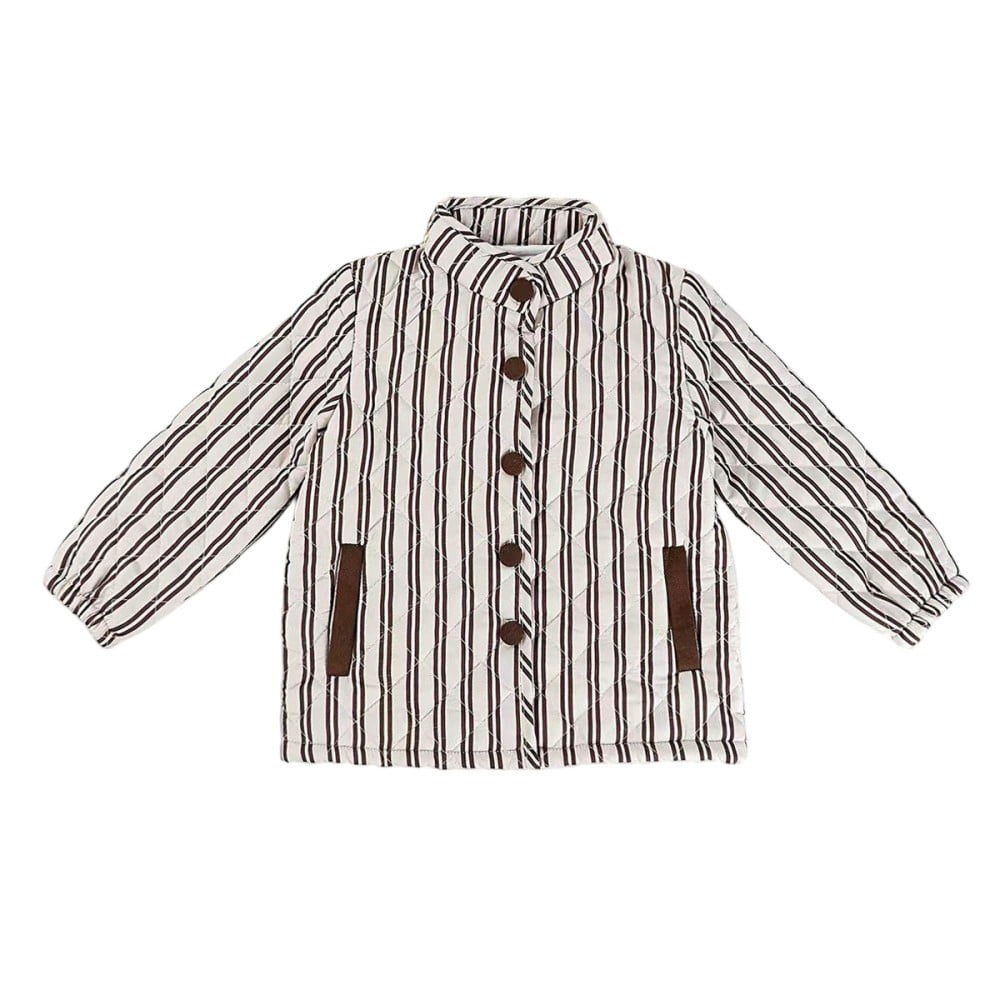
Parents often find that boy clothes with a slightly more fitted cut look more polished than oversized alternatives, even during play. When boy clothes are proportioned well, they retain their shape better through washing and wear. Good boy clothes are also designed with neutral and versatile color palettes that allow easy mixing and matching, reducing the number of separate items a parent needs to buy while keeping the overall look of the boy clothes wardrobe cohesive and sharp.
Smart Material Choices That Keep Boy Clothes Looking Fresh
One of the most overlooked aspects of stylish boy clothes is how well the fabric holds its appearance after washing. Boy clothes made from materials with shape-retention properties — such as structured poly-fill quilted outerwear — bounce back to their original form after laundering. Boy clothes that maintain their texture, structure, and color vibrancy through regular washing save parents from the frustration of items that look old after just a few uses. Choosing boy clothes with colorfastness in the fabric dye is also important, since bright or bold boy clothes tend to lose their visual appeal quickly if the dye quality is poor.
What Parents Should Prioritize When Buying Boy Clothes
Fit, Freedom, and Practicality in Boy Clothes
When selecting boy clothes for an active child, fit is the first practical consideration. Boy clothes that are too tight restrict movement and are more likely to tear under stress, while boy clothes that are too loose can snag on obstacles and become a safety concern during play. The ideal boy clothes offer a relaxed but structured fit that gives freedom of movement without excess fabric getting in the way. Parents should also consider ease of care when choosing boy clothes — machine-washable boy clothes with simple care instructions make a real difference in daily family life.
Practicality in boy clothes also includes thinking about layering. Boy clothes designed with layering in mind — a lightweight quilted jacket worn over a long-sleeve shirt, for example — give parents flexible wardrobe options across changing weather conditions. This approach means boy clothes stretch further across more seasons and activity types. A well-chosen set of boy clothes that layer effectively can serve a child through a wide range of outdoor scenarios without parents needing to invest in entirely separate wardrobes for each season.
Seasonal Readiness and Value in Boy Clothes
Boy clothes that work across seasons deliver stronger value for families. Lightweight quilted boy clothes, for example, are warm enough for cool autumn days and cold enough evenings in early spring without being so heavy that they restrict movement or overheat active children. Parents who invest in boy clothes built for transitional weather get more use per item and avoid frequent seasonal replacements. Evaluating value in boy clothes means looking beyond the initial price and assessing how many months, and how many types of activities, a piece of boy clothes can realistically support.
FAQ
How do I know if boy clothes are built to last through rough play?
Look for boy clothes with reinforced stitching at stress points, durable fabric blends that include stretch, and protective design features like padded or quilted layers. These construction details are the clearest indicators that boy clothes are engineered for physical activity rather than just casual wear.
Can boy clothes be both stylish and machine washable?
Yes. Many high-quality boy clothes today are designed to maintain their shape, color, and structure through regular machine washing. Look for boy clothes with colorfast dyes and shape-retaining materials to ensure that style is preserved alongside easy everyday care.
What is the best type of outerwear in the boy clothes category for active kids?
A lightweight quilted jacket is one of the most practical choices in the boy clothes outerwear category. It provides warmth without bulk, maintains its structure through active use, and offers enough visual style to work in both casual and slightly more dressed-up settings. Boy clothes in this format balance all the key needs of active children and their parents effectively.